










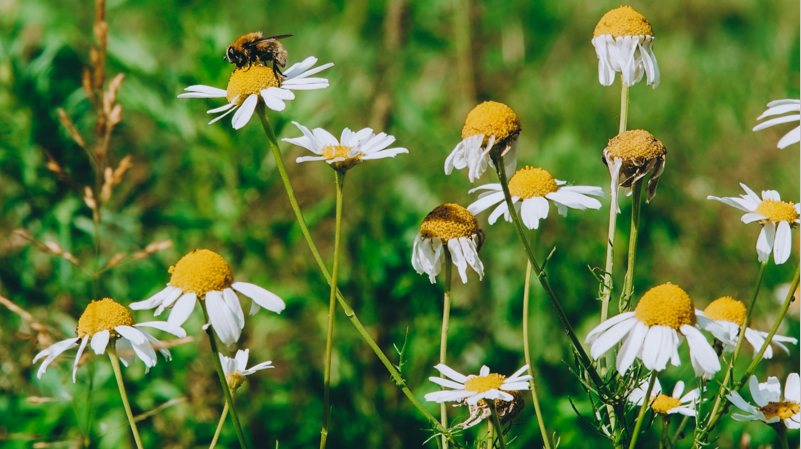
Elk voorjaar laait een bekend debat weer op in tuinforums en buurtgroepen. Aan de ene kant staan de milieubewuste tuiniers die iedereen oproepen om de grasmaaiers op te bergen voor "Niet Maaien in Mei". Aan de andere kant staan de gefrustreerde huiseigenaren die het vorig jaar probeerden en de hele maand juni worstelden met een natte, ondoordringbare jungle van gras en onkruid.
Als je twijfelt tussen het helpen van lokale bestuivers en het behouden van een bruikbare tuin, ben je niet de enige.
"Niet maaien in mei" is een briljant ecologisch initiatief, maar het zou niet moeten betekenen dat je je gazon verpest of je grasmaaier sloopt. Door de praktische voor- en nadelen te begrijpen – en een paar slimme compromissen te sluiten – kun je dit voorjaar een paradijs voor bijen creëren zonder in juni een grashel te hoeven trotseren.
Table of Contents
Waar gaat "No Mow May" precies over?
Gelanceerd in 2019 door de Britse natuurbeschermingsorganisatie Plantlife, Niet maaien in mei Het is een campagne die tuineigenaren oproept om de hele maand mei te stoppen met het maaien van hun gazon.
Het doel is simpel: laat het gras groeien zodat laaghangende wilde bloemen, zoals paardenbloemen, witte klaver en madeliefjes, de kans krijgen om te bloeien. Vroege bestuivers zoals bijen en vlinders, die na de winter tevoorschijn komen, hebben vaak een tekort aan nectar. Een traditioneel, kort gemaaid groen gazon is in feite een woestijn voor deze insecten. Door de flora slechts één maand te laten bloeien, creëer je een enorme, broodnodige voedselbron in een cruciale periode van het jaar.
De nadelen van niet maaien in mei: waarom u uw besluit wellicht moet heroverwegen.

Hoewel de milieuvoordelen onmiskenbaar zijn, kan het in de praktijk flink wat problemen opleveren om een gazon 30 tot 40 dagen ongemoeid te laten tijdens het groeiseizoen. Dit is waarom veel traditionele tuiniers aarzelen om hieraan mee te doen.
De "juni-jungle": schade door afgehakte hoofdhuid en grasmaaiers
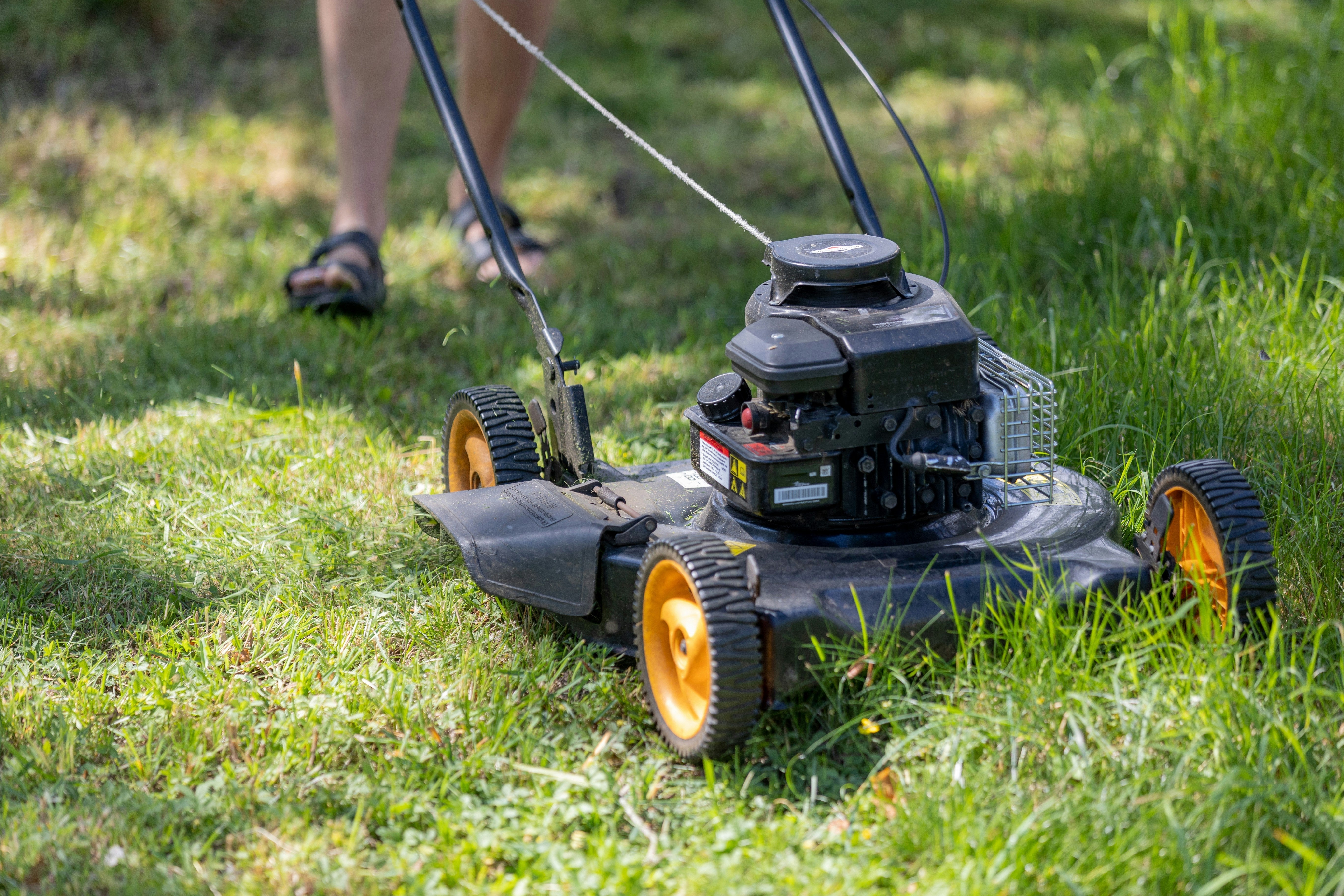
Eind mei kan een gezond Europees gazon gemakkelijk een hoogte van 20 centimeter bereiken. Standaard grasmaaiers voor huishoudelijk gebruik zijn simpelweg niet ontworpen om zo'n grote hoeveelheid gras te verwerken. Het is enorm belastend voor de motor om met een standaard maaier door diep, dik gras te moeten maaien.
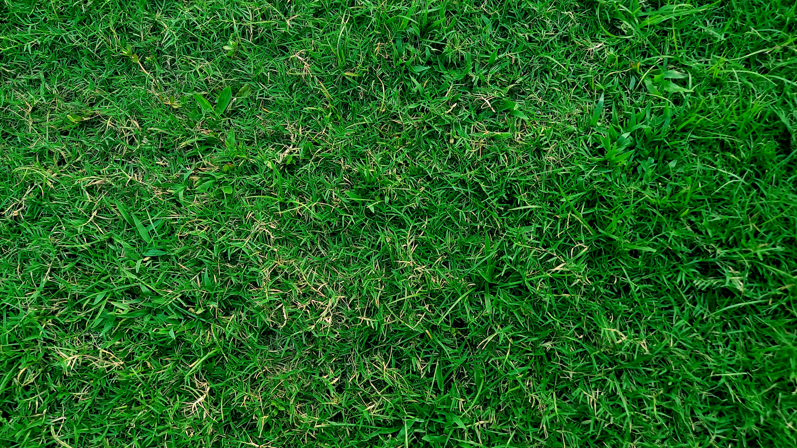
Bovendien wordt het gazon volledig kaalgemaaid als je gras van 20 cm hoog in één keer tot 5 cm afmaaid. Het verwijdert de fotosynthetische bladeren van de plant, put de wortelreserves uit en geeft het gras een schok, waardoor het vaak wekenlang geel, vlekkerig en dood oogt.
Vochtretentie en schimmelziekten
Lang, dik gras vormt een dicht bladerdak dat zonlicht blokkeert en vocht in de bodem vasthoudt. Als mei bijzonder nat is, creëert dit gebrek aan luchtcirculatie een ideale voedingsbodem voor gazonziekten zoals rooddraadschimmel of sneeuwschimmel. Tegen de tijd dat u het gras eindelijk maait, kunt u een zwakke, rottende onderlaag blootleggen.
De wiet-overname
Er is een dunne lijn tussen een bloemenweide en een onkruidplaag. Klaver en madeliefjes zijn weliswaar geweldig voor bijen, maar als je je gazon niet goed onderhoudt, kunnen zeer invasieve, diepgewortelde onkruiden (zoals kruipende distels of weegbree) zich vestigen. Eenmaal gevestigd, kunnen ze snel concurreren met je gewenste gazon, waardoor je later in de zomer flink moet wieden.
Hoe je bijen kunt helpen zonder rommel te maken
Je hoeft niet te kiezen tussen een ecologische woestenij en een rommelige jungle. De meest succesvolle moderne tuiniers vinden een middenweg.
Wijs een "Wild Zone" aan.
In plaats van je hele tuin te laten verwilderen, kun je een specifiek stuk of een strook langs de rand van je tuin aanwijzen voor 'Niet maaien in mei'. Laat de randen, een achterhoek of een eilandje rond een boom volledig ongemoeid voor de bestuivers, terwijl je de belangrijkste, drukbezochte delen van je gazon wel blijft maaien. Zo blijft de tuin er verzorgd en netjes uitzien, terwijl je toch kunt genieten van de essentiële nectar.
Schakel over op de "Maai minder in mei"-aanpak.
Als je geen eigen stukje verwilderd gras wilt, hoef je alleen maar je maaigewoonten voor die maand aan te passen. Zet de maaihoogte van je maaier op de hoogste stand (ongeveer 6 tot 8 cm) en maai eens in de twee tot drie weken. Dit is hoog genoeg om kortere bloemen zoals klaver te laten bloeien, maar laag genoeg om te voorkomen dat het gras verstikt raakt en je maaier in juni onherstelbaar beschadigt.
Automatiseer het compromis: moeiteloos gazonzonering

De grootste uitdaging bij het compromis van de "wilde zone" is de fysieke inspanning die het kost om handmatig rond een steeds groter wordend stuk lang gras te maaien. Dit is waar slimme robots de situatie volledig veranderen.
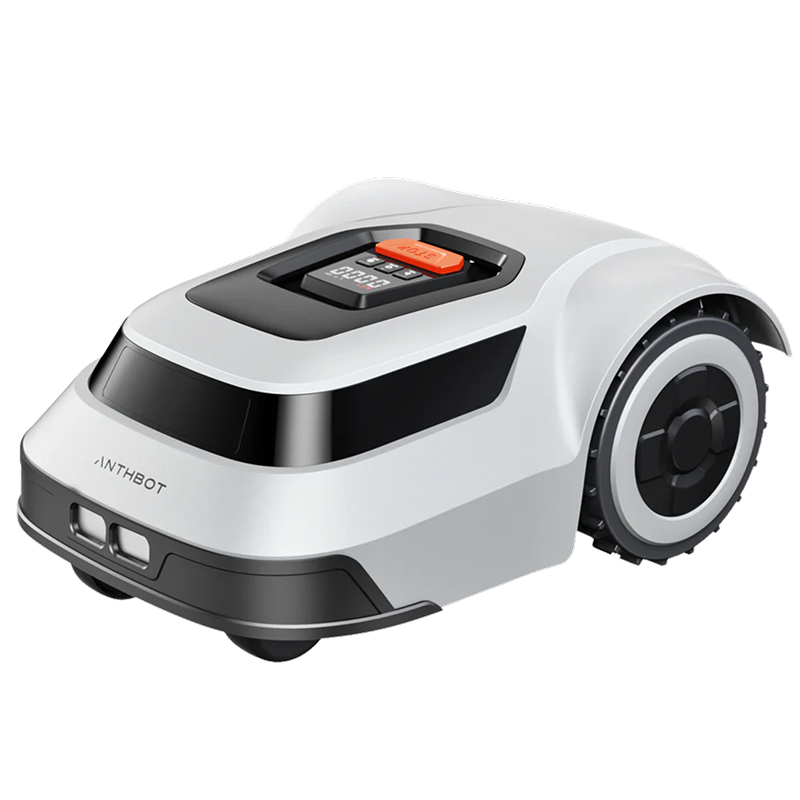
Als u initiatieven zoals No Mow May moeiteloos wilt ondersteunen zonder zelf te hoeven maaien, dan zijn moderne apparaten zoals de ANTHBOT M5 (ideaal voor de beste grasmaaier voor kleine tuinen) of de grotere ANTHBOT N8 Maak het ongelooflijk eenvoudig.
Met de app kunt u een specifieke 'verboden zone' instellen voor de maand mei. De maaier gebruikt dan zijn RTK- en Vision AI-technologie om de rest van uw gazon perfect te onderhouden en uw aangewezen bloemenperk volledig over te slaan. In juni verwijdert u eenvoudig de verboden zone in de app, stelt u de maaihoogte iets hoger in en laat u de maaier zijn werk doen. beste robotgrasmaaier zonder perimeterdraad Breng het bloemenperkje geleidelijk weer in lijn met de rest van de tuin – volledig zonder er iets voor te hoeven doen.
Jouw strategie voor gazononderhoud vóór en na mei
Als je besluit deel te nemen, is hoe je april en juni aanpakt net zo belangrijk als wat je in mei doet.
Mag ik in april maaien om in mei niet te hoeven maaien?
Ja, absoluut. Sterker nog, een goede voorjaarstuin opruimen Een standaard maaibeurt eind april wordt ten zeerste aanbevolen. Als u mei ingaat met gras dat al overwoekerd is, zal het in juni volledig onbeheersbaar zijn. Geef uw gazon een nette, standaard maaibeurt in de laatste week van april om een beheersbare basis te creëren.
Hoe maai je in juni veilig overwoekerd gras?
Wanneer 1 juni aanbreekt, Maai het gras niet in één keer terug tot de normale hoogte. Je moet de volgende instructies volgen: 1/3 Maairegel. Verwijder nooit meer dan een derde van de totale lengte van het grashalm in één keer.
- Zet het maaidek van uw maaier op de allerhoogste stand.
- Maak de eerste snede en snijd daarbij alleen de bovenste paar centimeter af.
- Wacht drie tot vier dagen om het gras te laten herstellen.
- Verlaag het maaidek iets en maai opnieuw. Herhaal dit proces van geleidelijke verlaging gedurende twee weken totdat het gazon weer de juiste hoogte heeft bereikt voor het zomeronderhoud, namelijk ongeveer 5 tot 6 cm.
Veelgestelde vragen (FAQ)
Waarom zou je in mei geen gras maaien?
De "No Mow May"-campagne moedigt mensen aan om hun gras niet te maaien, zodat vroege wilde bloemen (zoals klaver en paardenbloemen) kunnen bloeien. Dit vormt een essentiële, vroege nectarbron voor bijen, vlinders en andere belangrijke bestuivers die uit hun winterslaap ontwaken.
Wat zijn de nadelen van 'Niet maaien in mei'?
De belangrijkste nadelen zijn de fysieke inspanning die het kost om in juni extreem lang gras te maaien, het risico op beschadiging van het gazon tijdens het herstel, de mogelijkheid dat vocht in het gazon blijft hangen en schimmelziekten veroorzaakt, en het risico dat invasieve, diepgewortelde onkruiden het gazon overwoekeren.
Mag ik in april maaien om in mei niet te hoeven maaien?
Ja. Het is ten zeerste aan te raden om uw gazon eind april netjes en standaard te maaien.Dit zorgt ervoor dat u mei begint met een gezonde basis, in plaats van de maand in te gaan met een al overwoekerde tuin die tegen juni volledig onbeheersbaar zal zijn.
Mag je in mei je gazon maaien?
Absoluut. "No Mow May" is een vrijwillige campagne voor natuurbehoud, geen wet. Als het niet praktisch is om je hele gazon ongemaaid te laten, overweeg dan een compromis zoals "Mow Less May" (minder vaak maaien met een hogere stand) of laat een klein gedeelte van je tuin ongemoeid voor de insecten.



Laat een reactie achter
Deze site wordt beschermd door hCaptcha en het privacybeleid en de servicevoorwaarden van hCaptcha zijn van toepassing.