







Table of Contents
Can You Mow Wet Grass? What You Need to Know
Yes, you can technically mow wet grass, but it is usually better to wait until the grass and soil have dried. Wet grass is more likely to stick to the mower, produce uneven cuts, and leave clumps across the lawn.
The bigger concern is often the soil, not the grass itself. If the ground is soft enough for your shoes or mower tires to leave deep marks, mowing can compact the soil and damage the lawn.
A simple check before mowing:
- Grass: No visible water droplets.
- Soil: Firm, not muddy or soft.
- Footprints: Walking across the lawn does not leave deep impressions.
- Standing water: None in the mowing area.
If these conditions are not met, waiting longer is usually better than trying to finish the mowing immediately.

What Happens If You Mow Wet Grass?
Mowing wet grass can affect both the lawn and the mower. The main problems are not just about getting a poor-looking cut—they can also make mowing slower and increase cleanup.
1. Uneven Cutting
Wet grass tends to bend instead of standing upright, so the blades may not cut it evenly. Some areas can end up noticeably taller than others.
2. Grass Clumps
Wet clippings contain more moisture and are more likely to stick together. They can form piles on the lawn and block the mower's discharge area.
3. Mower Clogging
Wet grass can stick to the mower deck, blade housing, and discharge chute. This reduces cutting efficiency and means more cleaning after mowing.
4. Soil Compaction
If the soil is saturated, mower tires can compress the soil and reduce air space around the roots. This is particularly concerning on clay-heavy or poorly drained lawns.
5. Wheel Tracks
Soft ground can allow mower tires to leave visible tracks or ruts, especially when using a heavier mower or making repeated passes.
6. Slipping on Slopes
Wet grass and soil provide less traction. The risk is higher on slopes, where a mower can slip or lose control.
7. Greater Disease Risk
Wet conditions can create an environment favorable to some turfgrass diseases. Keeping grass dry between mowing sessions can help reduce prolonged leaf wetness.
8. More Stress on the Mower
Wet, heavy grass requires more work from the cutting system and can make the mower operate less efficiently. Keeping the blades sharp and cleaning the mower after use becomes especially important.
Bottom line: The wetter the grass and soil, the greater the chance of uneven cutting, clumping, clogging, and lawn damage. If the ground is soft enough to leave deep footprints, it is usually better to wait.

How to Mow Wet Grass Safely If You Can't Wait
Sometimes you may need to mow before the lawn is completely dry. If you cannot wait, a few simple adjustments can reduce the risk of lawn and mower problems.
Raise the Cutting Height
Avoid cutting wet grass too short. Set the mower slightly higher than your normal setting and follow the one-third rule—remove no more than one-third of the grass height in a single mowing session.
Use a Sharp Blade
A sharp blade cuts wet grass more cleanly and reduces tearing. Check the blade regularly, especially if you frequently mow in damp conditions.
Mow Slowly
Reduce your mowing speed so the blades have more time to cut through wet grass. This can also help reduce the amount of grass left behind in clumps.
Avoid Repeated Passes
Try to avoid driving over the same area multiple times. Repeated passes can increase soil compaction and leave deeper tire marks when the ground is soft.
Stay Away From Slopes and Soft Areas
Wet grass reduces traction, while saturated soil increases the risk of slipping and rutting. Skip steep slopes and areas with standing water until they dry.
Clean the Mower Afterward
Remove wet grass from the deck, blades, wheels, and discharge chute after mowing. This prevents dried grass buildup and keeps the mower ready for the next use.
If the mower starts slipping or the tires begin leaving deep tracks, stop mowing and wait for the lawn to dry.
How Long Should You Wait to Mow After Rain?
There is no fixed number of hours you need to wait after rain. A lawn can dry in a few hours after a light shower or remain too wet to mow for much longer after heavy rainfall.
Instead of watching the clock, check the grass and soil.
|
Condition |
What to Do |
|
Light rain + sun/wind |
Check the lawn after a few hours |
|
Heavy rain |
Wait until the soil becomes firm |
|
Shaded lawn |
Allow extra drying time |
|
Sandy soil |
Usually drains faster |
|
Clay or poorly drained soil |
May require significantly more time |
|
Standing water |
Do not mow yet |
A Simple Test Before Mowing
Walk across the lawn before starting. If your shoes leave deep footprints, or your mower tires easily press into the soil, the ground is still too wet.
The grass should also be mostly dry to the touch, with little or no water remaining on the blades.
The best time to mow after rain is when the grass is dry enough to cut cleanly and the soil is firm enough to support the mower without leaving ruts. This approach is more reliable than following a fixed 2-, 6-, or 24-hour waiting period.

Which Type of Mower Handles Wet Grass Best?
Different mower types respond differently to wet conditions, but no mower should be treated as a solution for waterlogged grass. The lawn's condition matters as much as the mower itself.
|
Mower Type |
Wet Grass Performance |
Main Consideration |
|
Gas mower |
Handles heavy grass well |
Heavy machine can leave tracks on soft soil |
|
Battery mower |
Convenient for occasional damp grass |
Wet clippings can clog the deck |
|
Corded electric mower |
Suitable for dry or lightly damp conditions |
Extra caution is needed around electrical connections |
|
Robot mower |
Can automatically pause during rain on supported models |
Rain detection does not mean it should mow saturated grass |
Gas Mowers
Gas engines generally provide strong cutting power when grass becomes thick and heavy after rain. However, many gas mowers are relatively heavy, so wet soil can be more vulnerable to tire marks and compaction.
Battery Mowers
Battery-powered models avoid fuel and extension cords, making them convenient for residential lawns. Their main challenge in wet conditions is still the grass itself—wet clippings can stick to the deck and increase clogging.
Corded Electric Mowers
A corded mower can handle normal lawn conditions, but using electrical equipment around wet surfaces requires extra care. Follow the manufacturer's instructions and avoid mowing during active rainfall.
Robot Lawn Mowers
Robot mowers take a different approach. Models with rain sensors can detect rainfall and automatically return to the charging station instead of continuing to mow. However, water resistance and rain detection do not mean a robot mower is designed to cut saturated grass.
For any mower, the safest rule remains the same: wait until the grass is reasonably dry and the soil is firm enough to support the machine.

How Do Robot Lawn Mowers Handle Rain and Wet Grass?
Robot lawn mowers can reduce the need to monitor the weather manually, but they still need to respond differently when rain starts. Models with a rain sensor can detect rainfall and change their mowing schedule instead of continuing to cut through a storm.
How Rain Detection Works
A typical rain-response process looks like this:
- Rain is detected by the mower's rain sensor.
- Mowing is paused to avoid continuing during rainfall.
- The mower returns to the charging station.
- The next mowing task is delayed or rescheduled, depending on the model and its settings.
- Mowing resumes when the programmed conditions allow it.
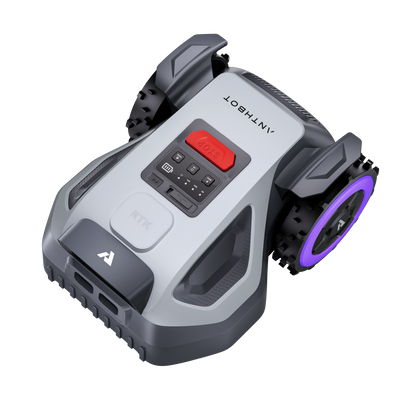
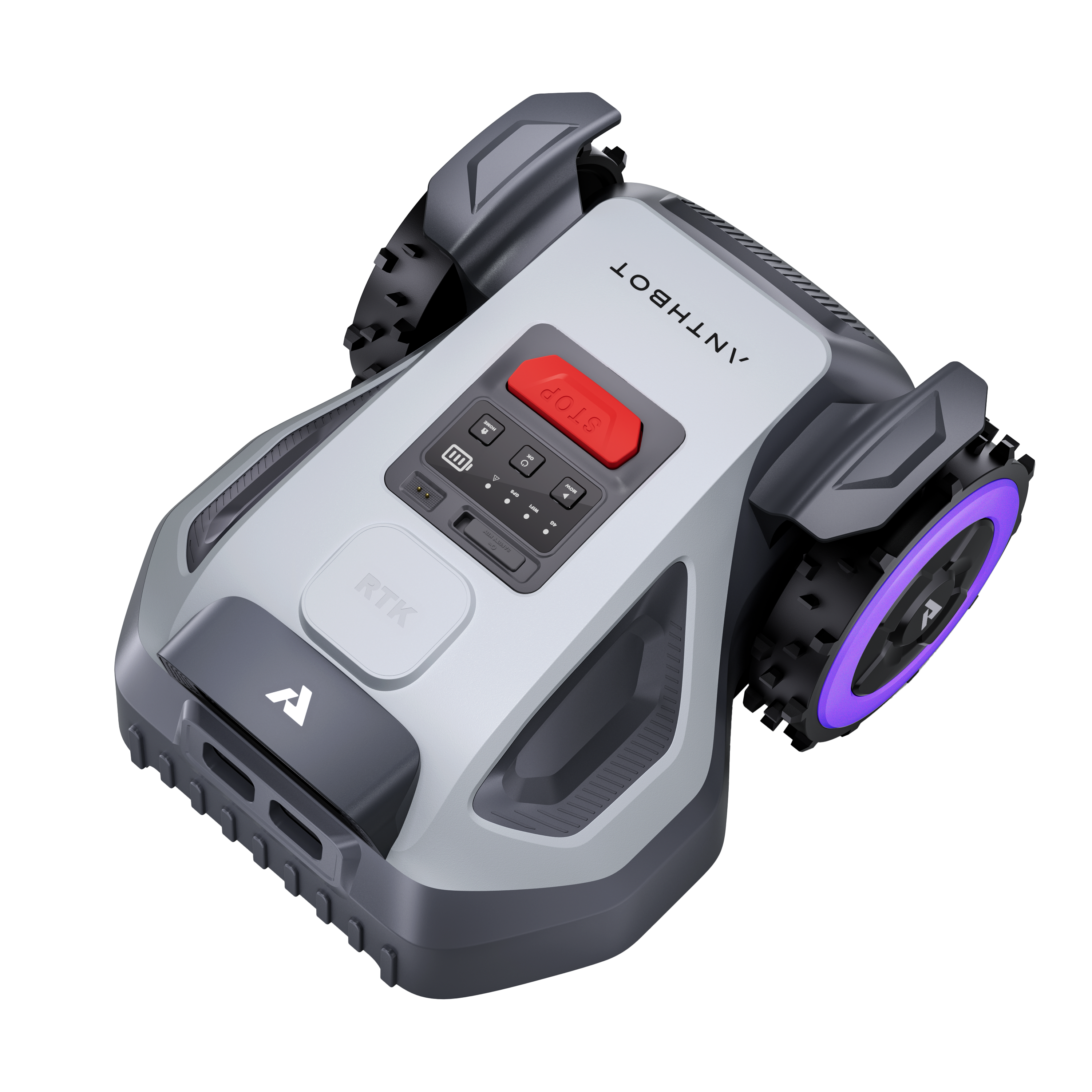
For example, ANTHBOT M5, M9, and M5 LiDAR models include rain sensing and can return to the charging station when rain is detected.
€749,00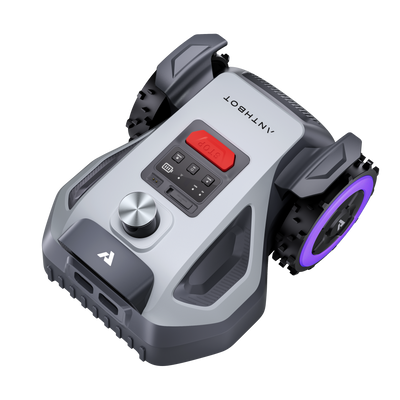

€1.168,00
€849,00
Can You Set a Mowing Schedule Around Rain?
Yes, on supported models. You can set specific mowing periods—for example, 9:00 AM–12:00 PM—rather than having the mower run continuously. If rain is detected during a scheduled period, the mower can pause or return to the station.
However, rain detection is not the same as measuring how wet the lawn is. A sensor can tell the mower that it is raining, but it cannot necessarily determine whether the soil has dried enough for mowing several hours later.
What Should You Look for?
If your area frequently gets afternoon showers, useful features include:
- Rain sensor — detects active rainfall.
- Automatic return-to-station — stops mowing when rain begins.
- Flexible scheduling — lets you choose preferred mowing windows.
- Weather-aware scheduling — useful when supported by the specific model.
- Water-resistant construction — check the manufacturer's stated rating and operating conditions.
The goal is not to make a robot mower mow through wet weather, but to let it avoid unnecessary mowing during rain and return to work when conditions are more suitable.

FAQ: Mowing Wet Grass
Can you mow wet grass?
You technically can, but it is better to wait until the grass and soil are reasonably dry. Wet conditions can cause clumping, uneven cutting, and soil compaction.
How long should you wait to mow after rain?
There is no universal waiting time. A light shower may require only a few hours, while heavy rain can require much longer. Check whether the grass is dry and the soil feels firm before mowing.
Can you mow grass with morning dew?
Light dew is different from rain-soaked grass. If the soil is firm and the grass is only slightly damp, mowing may be possible, but waiting until the dew evaporates will usually give a cleaner cut.
Does mowing wet grass damage the lawn?
It can. The biggest concern is wet soil, which can become compacted under mower tires and develop visible ruts. Repeated mowing in these conditions can make the problem worse.
Does wet grass damage a lawn mower?
Wet clippings can stick to the deck, blades, and discharge chute, increasing the chance of clogging. Clean the mower after use and follow the manufacturer's operating instructions.
Can you mow wet grass with an electric mower?
It depends on the mower and its operating instructions. Avoid mowing during active rain, and take extra care with corded electric equipment around wet conditions.
Can a robot lawn mower mow in the rain?
Some robot mowers can operate in light rain, but that does not mean they should continuously mow during rainfall. Models with rain sensors can detect rain and return to the charging station.
Do robot lawn mowers detect rain?
Many models include rain sensors. These sensors detect rainfall and can trigger an automatic return to the charging station or pause the mowing schedule.
Should I mow wet grass before or after rain?
If possible, mow before rain, when the grass and soil are dry. If rain has already occurred, wait until the lawn is dry enough that the mower will not leave deep tracks.
How dry should grass be before mowing?
There is no specific moisture percentage that applies to every lawn. The practical test is simple: grass should have little surface moisture, and the soil should be firm enough that walking or mowing does not leave deep impressions.


Zostaw komentarz
Ta strona jest chroniona przez hCaptcha i obowiązują na niej Polityka prywatności i Warunki korzystania z usługi serwisu hCaptcha.