










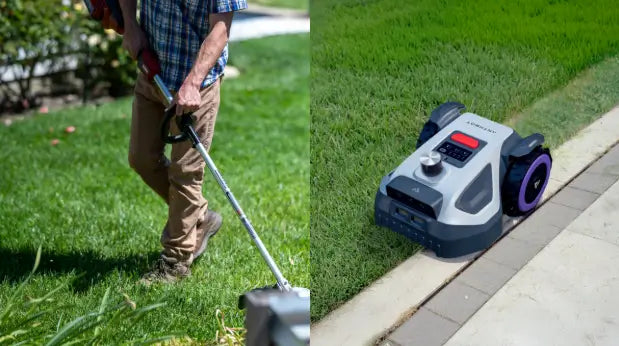
Non c'è niente di più frustrante che finire di tagliare accuratamente il prato e poi, voltandosi, vedere erba frastagliata e disordinata che si riversa sul vialetto, si arrampica sui muri del giardino e soffoca la base della vostra aiuola preferita. Un prato perfettamente rasato viene immediatamente rovinato da bordi disordinati. Il problema è che i tosaerba tradizionali non riescono a raggiungere questi spazi ristretti senza rischiare di danneggiare la macchina o l'ostacolo stesso. Ottenere bordi netti e professionali lungo muri, recinzioni e vialetti non richiede forza bruta o ore di lavoro estenuante con lame pericolose. Si tratta di scegliere lo strumento giusto per l'ostacolo specifico e di padroneggiare la tecnica corretta. Questa guida vi insegnerà i metodi esatti per tagliare e rifinire i bordi del prato, creando confini netti senza danneggiare la proprietà, dagli attrezzi manuali classici alle moderne soluzioni automatizzate.
Table of Contents
Bordatura vs. rifilatura dei bordi: comprendere la differenza per scegliere lo strumento giusto

Prima di impugnare qualsiasi attrezzo, è fondamentale comprendere una distinzione di base che molti giardinieri trascurano. I termini vengono spesso usati in modo intercambiabile, ma la bordatura e la rifinitura dei bordi sono due operazioni completamente diverse che richiedono attrezzature diverse.
| Caratteristica | Bordatura | Rifinitura dei bordi/Taglio del bordo |
| Azione primaria | Creazione di una trincea o di una linea di confine fisica | Tagliare l'erba sporgente fino al confine esistente |
| Cosa taglia | Scavare una trincea a forma di V nel terreno | Solo taglio delle lame d'erba |
| Strumento principale | Bordatrice meccanica o manuale (bordatrice a mezzaluna) | Tagliabordi, cesoie o robot rasaerba |
| Frequenza | Una o due volte a stagione | Ogni tosaerba |
| Rischio primario | Danneggiare cavi o radici sotterranee | "Rasare" il prato o danneggiare la corteccia delle piante |
- Bordatura Consiste nel creare una netta separazione tra il prato e un'altra superficie, come un vialetto o un'aiuola. Si tratta di scavare un solco verticale o a forma di V nel terreno. In genere, è sufficiente farlo una o due volte a stagione per mantenere il confine ben definito.
- Rifinitura dei bordi (spesso chiamata falciatura a bordo), d'altra parte, è l'operazione settimanale di tagliare i fili d'erba che sono cresciuti oltre un bordo esistente. Non si taglia il terreno; si riordina semplicemente la vegetazione in eccesso. Comprendere questa distinzione è fondamentale perché cercare di "bordare" con un decespugliatore a filo si tradurrà in un solco disordinato e irregolare, mentre cercare di "tagliare" con un bordatore pesante danneggerà le superfici pavimentate.
I migliori attrezzi manuali per tagliare netti i bordi del prato
Per i giardinieri che preferiscono il controllo diretto o che possiedono giardini molto piccoli e complessi, gli attrezzi manuali rimangono il punto di riferimento per i lavori di precisione.
Utilizzo di un bordatore a mezzaluna per creare nuove trincee nel prato
Il bordatore a mezzaluna è uno strumento semplice ed efficace per creare un confine iniziale ben definito. È dotato di una lama in acciaio curva e affilata con un poggiapiedi. Per utilizzarlo, premere la lama nel terreno con il piede lungo una linea guida rettilinea, come un tubo da giardino o una tavola di legno. Muovere il manico avanti e indietro per creare un solco netto e definito.
Questo strumento è ideale per creare nuove aiuole o rifinire i bordi troppo cresciuti, laddove un tagliabordi meccanico potrebbe risultare eccessivamente aggressivo. Secondo le migliori pratiche di giardinaggio, una trincea pulita di circa 5-10 centimetri di profondità è sufficiente a impedire che i rizomi dell'erba si insinuino nelle aiuole adiacenti.
Utilizzo di cesoie a manico lungo per la potatura di precisione in prossimità di piante delicate.
Per le zone più strette e delicate, come la base delle rose, i giovani alberi o le piante perenni più fragili, le cesoie a manico lungo sono l'opzione più sicura. Questi strumenti a forbice offrono un controllo completo ed eliminano il rischio di scortecciare un albero o di sminuzzare i petali dei fiori.
Sono inoltre completamente silenziosi, il che li rende una buona scelta per giardinaggio al mattino presto o alla sera nei quartieri europei sensibili al rumore. Lo svantaggio è che sono lenti. Usateli per i dettagli finali, non per l'intera bordura del giardino.
Come utilizzare un decespugliatore a filo per una manutenzione rapida e di routine dei bordi.
Per la maggior parte dei proprietari di casa, il decespugliatore (spesso chiamato anche tagliabordi o tagliaerba) è lo strumento principale per la rifinitura di routine dei bordi. È veloce, efficace e versatile. La chiave per un utilizzo ottimale del decespugliatore sta nel capire che a tagliare è la punta del filo rotante, non l'intera lunghezza.
Tenete il decespugliatore leggermente inclinato, con la punta del filo a contatto con l'erba sporgente. Non forzate la protezione contro il muro o la recinzione. Lasciate che sia il filo a fare il lavoro. Per ottenere bordi dritti lungo i vialetti, molti giardinieri ruotano la testina del decespugliatore di 90 gradi in modo che il filo giri verticalmente come la ruota di un bordatore. Questa tecnica richiede pratica ma offre risultati eccellenti.
Tecniche per tagliare l'erba in prossimità di ostacoli comuni in giardino
Ostacoli diversi presentano sfide diverse. Ecco come affrontare le situazioni più comuni che si possono incontrare in un giardino europeo.
Come tagliare l'erba vicino a muri e recinzioni in mattoni senza danneggiarli
I muri in mattoni e le recinzioni in legno sono i confini più comuni e sono anche i più facili da danneggiare con un decespugliatore. Una lama metallica o un filo di nylon robusto che ruota ad alta velocità lascerà segni sui mattoni e, col tempo, sminuzzerà il legno.
La tecnica corretta consiste nell'utilizzare il metodo "solo la punta del filo". Impugnate il decespugliatore in modo che solo la punta del filo di nylon (gli ultimi 2-3 centimetri) entri in contatto con l'erba. Il resto del filo deve ruotare liberamente in aria. Questo riduce la forza d'impatto sul muro, tagliando comunque l'erba. In alternativa, utilizzate delle cesoie a manico lungo per un taglio lento e senza danni su muri in pietra di pregio o recinzioni storiche.
Mantenere linee dritte di erba lungo vialetti, marciapiedi e patii.
Le superfici in cemento e pavimentate presentano una sfida diversa: mettono a dura prova le attrezzature. Trascinare una corda di nylon sul cemento ruvido la consumerà in pochi secondi.
La tecnica consiste nel tenere il decespugliatore parallelo alla superficie dura, mantenendo il filo appena sopra il pavimento. L'obiettivo è tagliare l'erba, non abradere il cemento. Per un risultato davvero professionale, molti giardinieri creano una "striscia di taglio": una trincea poco profonda riempita di ghiaia fine o una fila di lastre di pavimentazione a filo con il prato. Questo crea un confine permanente e a bassa manutenzione lungo il quale un robot tagliaerba può passare direttamente.
Potatura intorno alle aiuole e agli alberi per prevenire danni alle piante
È qui che si verificano gli errori più comuni e devastanti. Un decespugliatore usato con noncuranza intorno a un giovane albero può strappare la corteccia dal tronco, una ferita chiamata "cortecciatura anulare" che può uccidere l'albero.
Mantenere sempre una distanza di almeno 5-10 centimetri tra il filo del decespugliatore e qualsiasi tronco d'albero o arbusto legnoso. Per l'erba immediatamente adiacente alla pianta, utilizzare cesoie manuali o un tagliaerba a batteria con una protezione in plastica. In alternativa, installare una barriera fisica come un anello per alberi in metallo o gomma. Questo protegge la pianta e crea un bordo netto e facilmente falciabile che non richiede manutenzione settimanale.
Meglio tagliare l'erba o rifinire i bordi per primi? L'ordine ottimale per un giardinaggio efficiente.
Questa è una domanda frequente e la risposta influisce direttamente sul tempo necessario per la pulizia. L'ordine ottimale è prima la rifinitura dei bordi, poi il taglio dell'erba.
Ecco perché: quando si rifiniscono prima i bordi, si disperdono i residui d'erba sulla superficie principale del prato. Poi, quando si passa il tosaerba, questi residui vengono raccolti insieme al resto dell'erba tagliata. In questo modo i bordi risultano ben definiti e il prato è privo di detriti.
Se prima tagli l'erba e poi rifinisci i bordi, ti ritroverai con una spessa striscia di residui di taglio sul vialetto, sul patio o sull'aiuola che dovrai spazzare o soffiare via manualmente. Per ulteriori consigli sulla tempistica stagionale, puoi consultare la nostra guida completa su momento migliore per tagliare l'erba durante tutto il periodo di coltivazione europeo.
Come la tecnologia Smart Tower elimina la necessità di rifinire manualmente i bordi

Tutte le tecniche manuali descritte sopra hanno un problema in comune: richiedono tempo, impegno e attenzione costante. Non appena si salta una settimana, i bordi ricrescono di nuovo. Ma cosa succederebbe se si potesse eliminare completamente la necessità di rifinire manualmente i bordi?
È qui che la moderna tecnologia dei tosaerba intelligenti cambia le carte in tavola. I robot tagliaerba avanzati, in particolare quelli dotati di navigazione LiDAR, sono ora in grado di effettuare tagli precisi sui bordi che eguagliano o superano i risultati che la maggior parte dei proprietari di casa può ottenere manualmente.
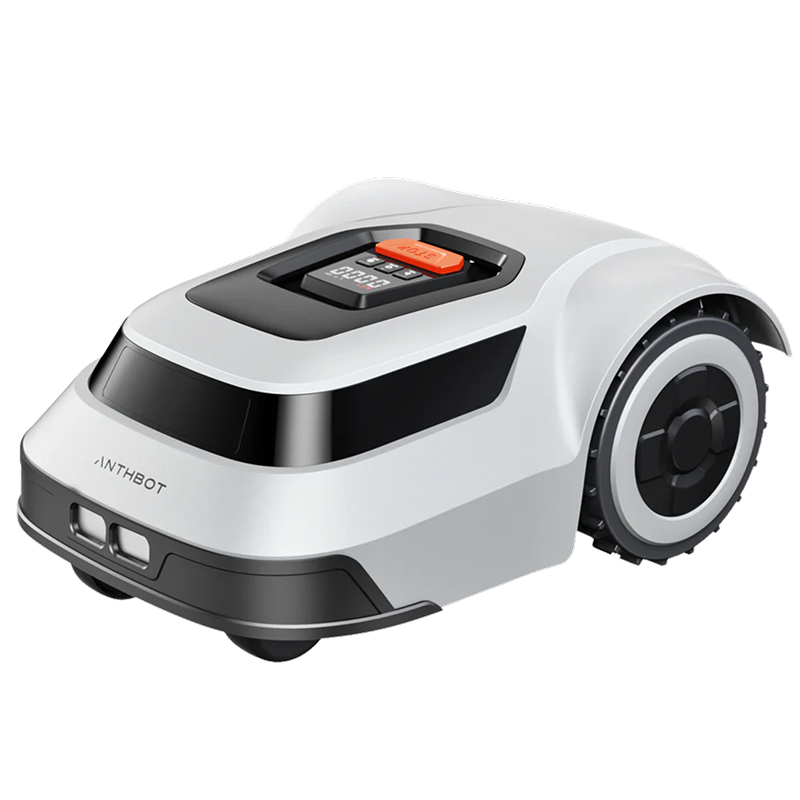
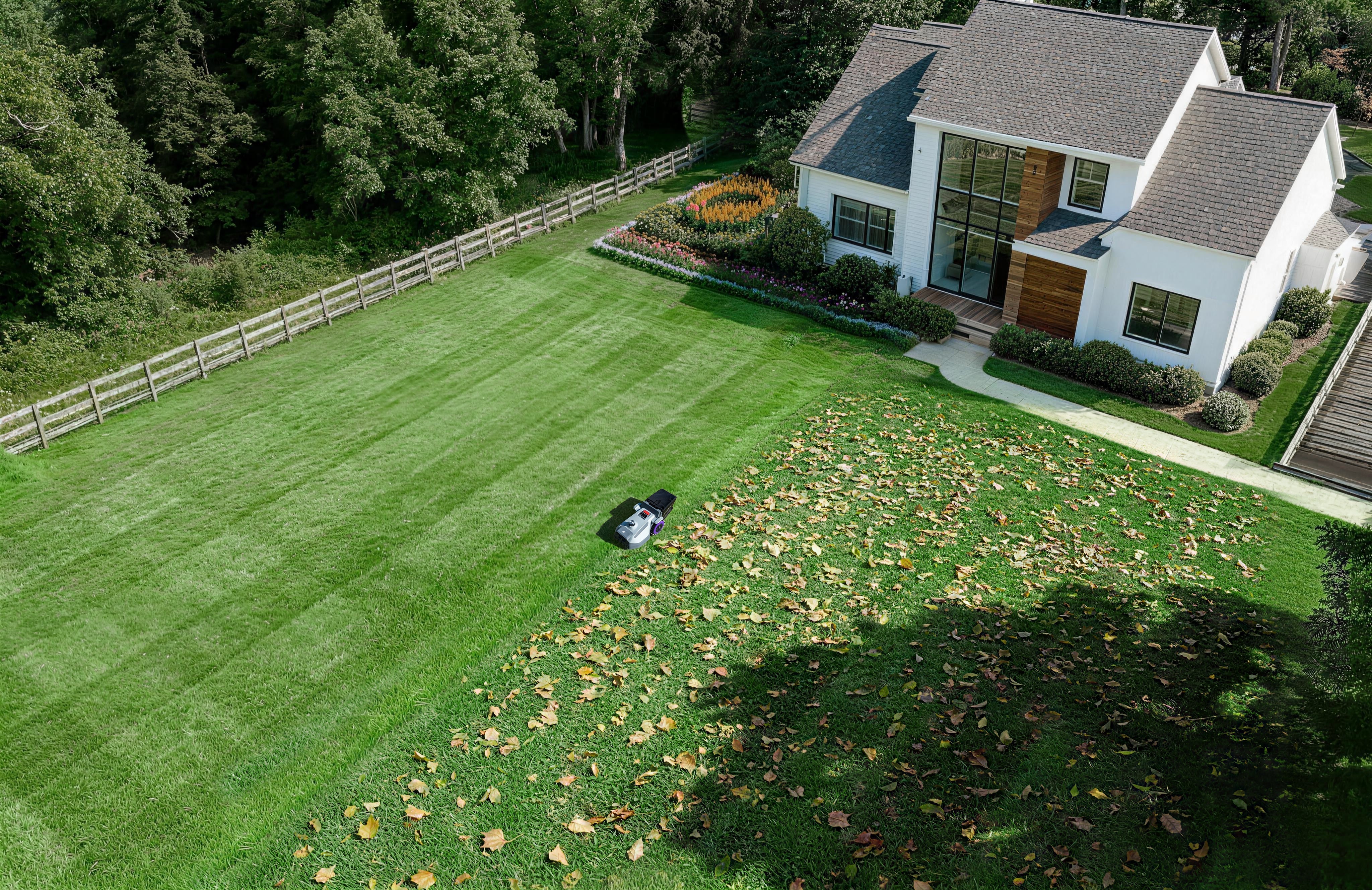
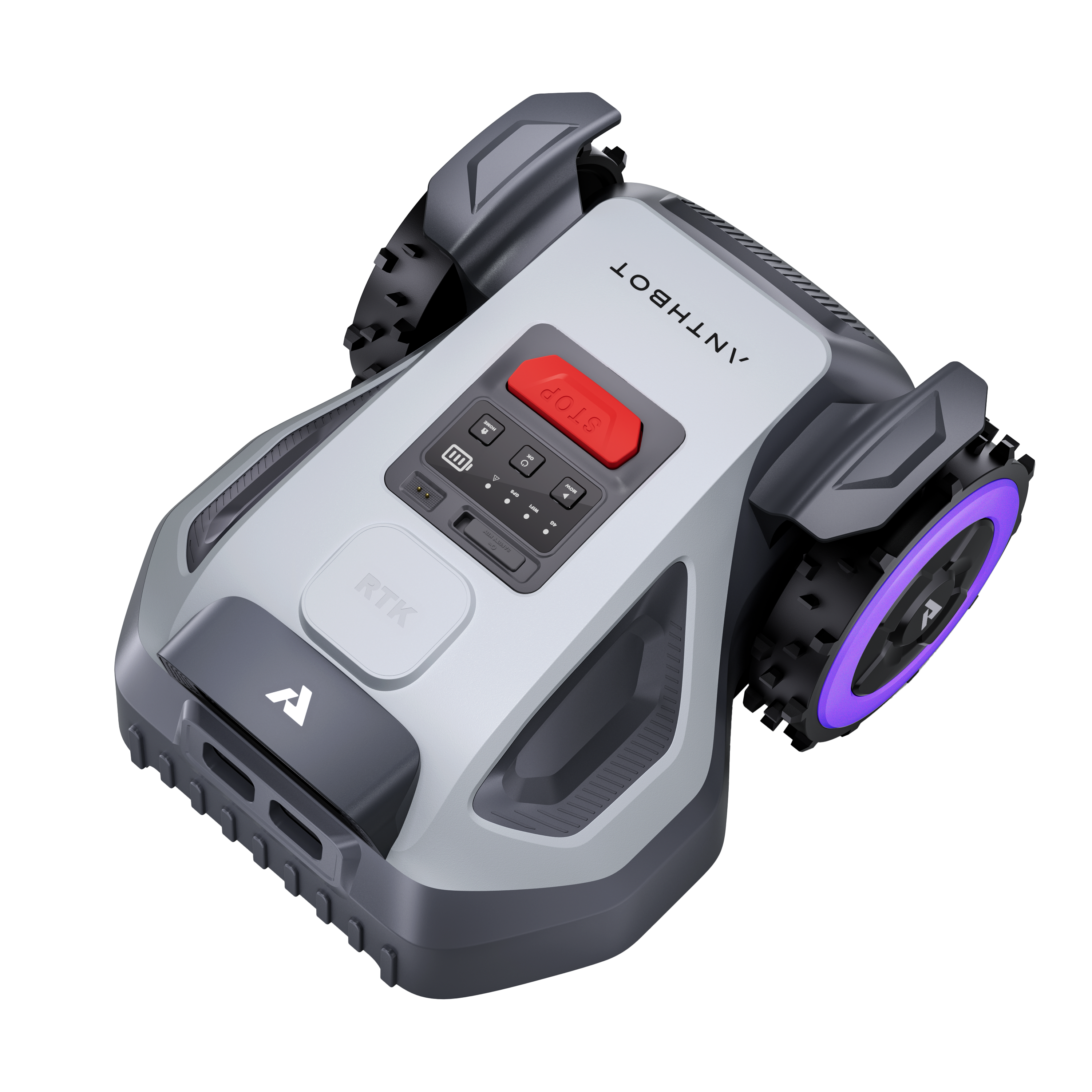
La tecnologia funziona così: un sistema senza fili robot tagliaerba Dotato di LiDAR (Light Detection and Ranging), questo robot scansiona continuamente l'ambiente circostante. Crea una mappa 3D in tempo reale del tuo giardino, distinguendo in modo intelligente tra superfici erbose e superfici non erbose come vialetti, patii, sentieri e aiuole di ghiaia.
Grazie alla sua capacità di "vedere" dove finisce l'erba e inizia la pavimentazione, il tosaerba si muove con estrema precisione, facendo scorrere il disco di taglio esattamente lungo la linea di confine. I fili d'erba sporgenti vengono tagliati nettamente senza che il tosaerba calpesti il vialetto o danneggi il bordo di un'aiuola.
Questa funzionalità cambia radicalmente le dinamiche della manutenzione. Invece di impiegare 15-20 minuti a settimana per rifinire i bordi con un decespugliatore pesante e rumoroso, si lascia che il robot si occupi della rifinitura di routine dei bordi come parte del suo programma di taglio giornaliero. Sarà necessario intervenire solo occasionalmente con le cesoie manuali per gli angoli più difficili o per ripristinare un bordo di terreno una o due volte a stagione.
Per i proprietari di case europei con giardini standard, un robot tagliaerba dotato di LiDAR della gamma ANTHBOT offre questa navigazione precisa lungo i bordi. La tecnologia è particolarmente efficace per giardini con forme complesse, aiuole multiple o lunghi bordi di vialetti, proprio nelle situazioni in cui la rifinitura manuale dei bordi risulta più faticosa.
Manutenzione costante: il segreto per bordi del prato duraturi
Che si scelgano attrezzi manuali, un decespugliatore a filo o una soluzione robotizzata, un principio rimane valido: la costanza è tutto.
Un bordo tagliato ogni 5-7 giorni richiede solo una passata leggera per mantenerlo in ordine. L'erba non cresce mai al punto da piegarsi, impigliarsi nella testina del tagliaerba o richiedere un taglio aggressivo. Un bordo trascurato per tre settimane diventa invece un vero problema. L'erba è folta, infeltrita e difficile da tagliare in modo netto.
IL "regola di un terzoLa regola del taglio dell'erba si applica anche ai bordi: non rimuovere mai più di un terzo della lunghezza del filo d'erba in un singolo taglio. Se i bordi sono molto incolti, rifilali gradualmente nell'arco di diversi giorni, invece di tagliarli a raso terra tutti in una volta.Tagliare i bordi dell'erba la stressa, la fa ingiallire e crea zone spoglie dove erbacce e muschio si insedieranno rapidamente.
Per chi possiede un robot tagliaerba, la costanza è automatica. Il robot si attiva quotidianamente o a giorni alterni, tagliando solo una minima quantità d'erba ogni volta. Questo approccio di "micro-taglio" produce un manto erboso sano e bordi perfettamente definiti, senza alcuno sforzo manuale.
Risoluzione dei problemi più comuni relativi alla bordatura del prato (FAQ)
È troppo tardi a ottobre per tagliare l'erba e rifinire i bordi?
Nel clima europeo, ottobre è in genere il momento ideale per l'ultimo taglio prima delle prime gelate. Non è troppo tardi, ma è consigliabile adattare la tecnica. Alzate l'altezza di taglio del tosaerba di una o due posizioni per gli ultimi tagli della stagione. Per i bordi, tagliateli leggermente più lunghi del solito, magari 5-7 centimetri invece di 2-3 centimetri. Questa maggiore lunghezza protegge le radici dell'erba dai danni causati dal gelo invernale e favorisce una più rapida ripresa vegetativa in primavera.
Quali sono gli errori più comuni nella bordatura del prato?
L'errore più comune è quello di tagliare l'erba troppo corta, ovvero usare un decespugliatore per tagliare l'erba fino al terreno nudo lungo un bordo. Questo rimuove tutto il tessuto fogliare, esponendo la base della pianta e la superficie del terreno. I bordi tagliati troppo corti diventano marroni, favoriscono la germinazione dei semi delle erbacce e creano un aspetto disordinato e irregolare. Lasciate sempre almeno 2-3 centimetri di altezza dell'erba lungo i bordi.
Altri errori comuni includono l'utilizzo di una lama per bordi smussata (che strappa invece di tagliare), la bordatura quando il terreno è completamente asciutto (rendendo difficile la creazione del solco) e la mancata pulizia del solco dai detriti dopo la bordatura.
Come si applica la "regola del taglio a 1/3" ai bordi del prato?
La regola del terzo afferma che non si dovrebbe mai rimuovere più di un terzo della lunghezza del filo d'erba in una singola sessione di taglio. Questa regola si applica con la stessa forza sia al taglio del prato che alla rifinitura dei bordi. Se i bordi sono molto incolti, non cercate di sistemarli in un colpo solo. Tagliate un po' alla volta, aspettate qualche giorno che l'erba si riprenda, poi tagliate di nuovo. Questo approccio graduale produce un bordo più sano e verde rispetto a un taglio aggressivo e repentino.
Qual è il modo più semplice per mantenere i bordi ben definiti tutto l'anno?
Il modo più semplice è combinare due strategie: installare bordi permanenti "da tagliare" (come bordure in acciaio, lastre di mattoni a filo con il prato o strisce di ghiaia) e poi utilizzare un robot tagliaerba intelligente per occuparsi del taglio periodico. Il bordo rigido crea una barriera fisica che impedisce all'erba di insinuarsi nelle aiuole o sui vialetti. Il robot tagliaerba, quindi, fa scorrere il suo disco di taglio esattamente lungo quel bordo ogni giorno, mantenendo un margine perfetto senza alcun intervento manuale da parte vostra.
Per i proprietari di casa che desiderano eliminare la faticosa operazione settimanale di rifinitura dei bordi, valutare un robot tagliaerba senza fili dotato di LiDAR è la soluzione a lungo termine più efficace. Queste macchine gestiscono automaticamente i confini distinguendo in modo intelligente l'erba dalle superfici dure, lasciandovi più tempo per godervi il giardino invece di lavorarci.


Lascia un commento
Questo sito è protetto da hCaptcha e applica le Norme sulla privacy e i Termini di servizio di hCaptcha.