



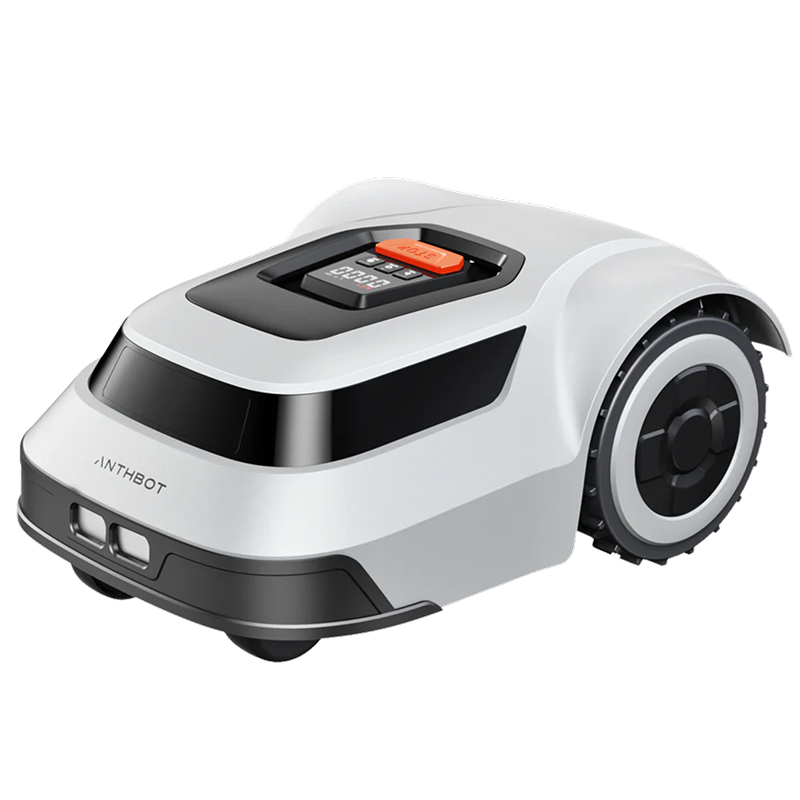










Non tutti i robot tagliaerba si comportano bene su pendii e terreni irregolari. Pendii ripidi, erba bagnata, dossi e terreno accidentato possono ridurre la trazione e rendere la navigazione meno precisa, causando slittamenti, blocchi o tagli irregolari. Per questo motivo, è importante scegliere un robot tagliaerba progettato per prati collinari, soprattutto se si desidera un funzionamento affidabile e un giardino sempre impeccabile.
Table of Contents
Quali sono le caratteristiche che rendono un robot tagliaerba adatto alle colline?
Capacità di arrampicata su pendii
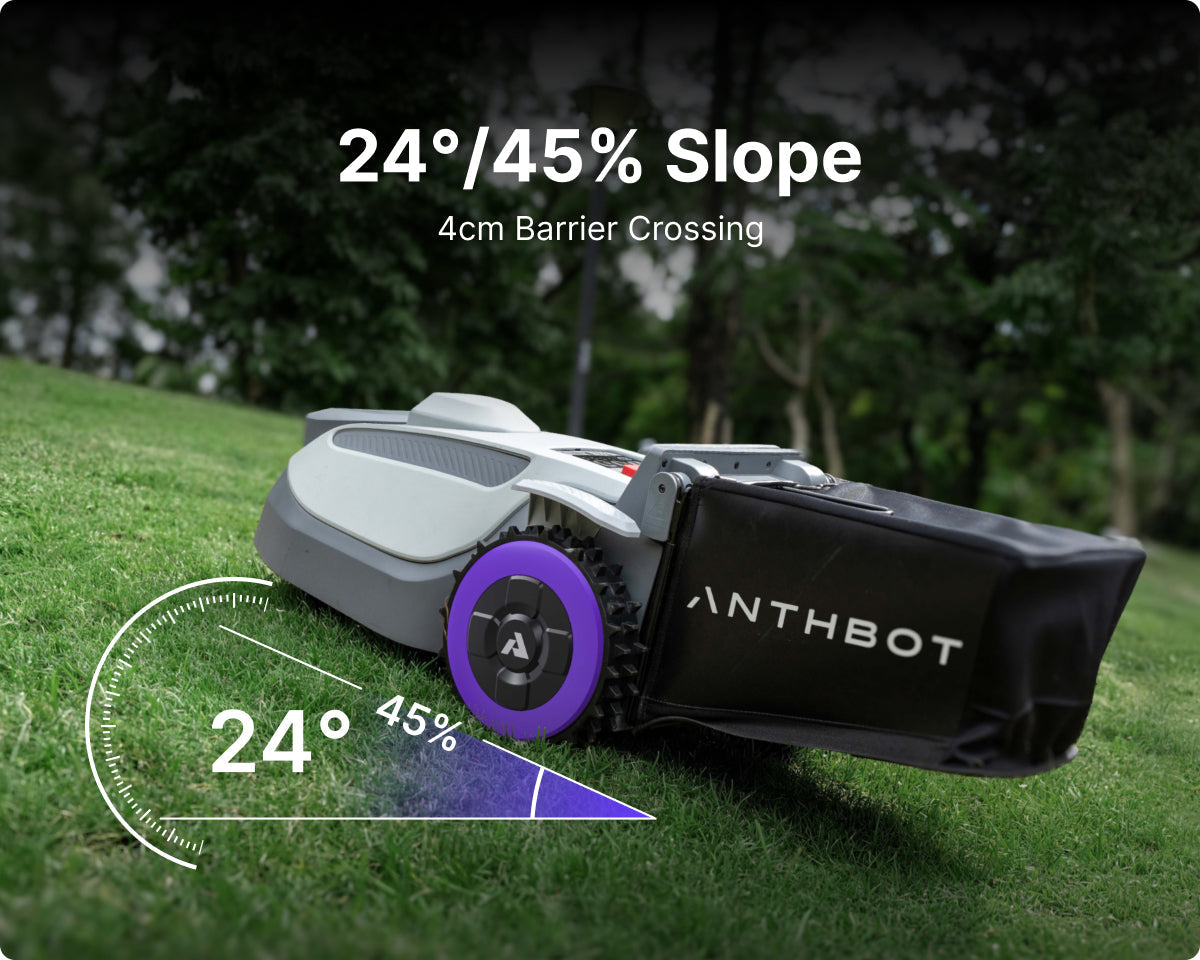
Una delle caratteristiche più importanti per un robot tagliaerba su prati collinari è la capacità di superare le pendenze. Un robot tagliaerba performante può affrontare pendii ripidi senza slittare o perdere l'equilibrio. Molti modelli avanzati gestiscono pendenze del 45% o superiori, mentre le versioni ad alte prestazioni arrivano fino al 60%-80%, risultando quindi più adatte a terreni irregolari e impegnativi.
Sistema di trazione e azionamento delle ruote
La trazione delle ruote e i sistemi di trasmissione giocano un ruolo fondamentale nelle prestazioni su terreni accidentati. Ruote più grandi, battistrada più profondo e sistemi di trazione integrale o a doppio motore migliorano l'aderenza su erba bagnata, terreno smosso e superfici irregolari. Una migliore trazione consente al tosaerba di muoversi in modo più stabile e riduce il rischio di rimanere bloccato, soprattutto su pendii, zone fangose o dislivelli.
Stabilità su terreno irregolare
Un buon robot tagliaerba per terreni irregolari deve rimanere stabile su dossi, avvallamenti e superfici accidentate. Il design con baricentro basso, la distribuzione bilanciata del peso e i sistemi di sospensione flessibili contribuiscono a migliorare la stabilità e a garantire risultati di taglio più uniformi. Ciò assicura un funzionamento più affidabile su prati complessi, con meno arresti o problemi di navigazione, riducendo al contempo l'usura a lungo termine.

RTK vs LiDAR vs filo perimetrale per prati in pendenza
Perché i tradizionali recinzioni di confine faticano sulle colline
I tradizionali sistemi di filo perimetrale possono risultare meno affidabili su prati in pendenza, poiché l'installazione è più complessa su terreni irregolari. I fili possono inoltre spostarsi nel tempo a causa della pioggia, del terreno smosso o del movimento delle ruote sui pendii, compromettendo la precisione della navigazione e l'efficienza del taglio. Pendenze e sentieri stretti possono ulteriormente complicare la progettazione, soprattutto in giardini di grandi dimensioni o dalla forma irregolare.
Perché la navigazione RTK funziona bene sui pendii aperti
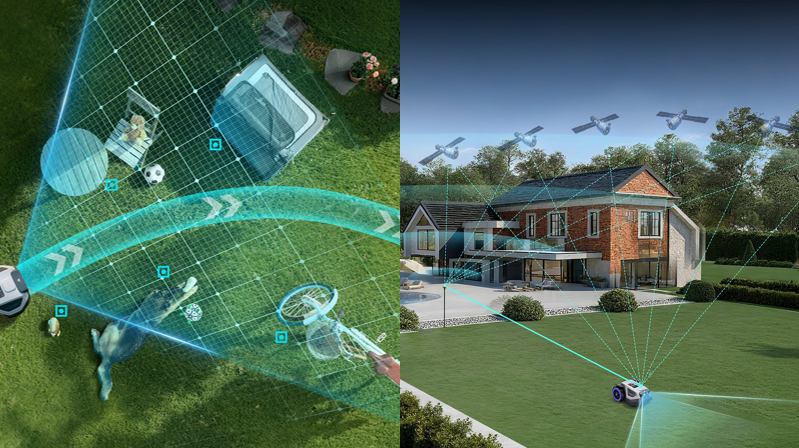
Il sistema di navigazione RTK funziona bene su prati aperti in pendenza, garantendo un posizionamento preciso senza bisogno di fili perimetrali. Su ampie aree prive di ostacoli, è in grado di creare percorsi di taglio efficienti con una copertura uniforme, riducendo le zone non falciate e migliorando l'efficienza complessiva. Questo rende l'RTK un'ottima scelta per ampi prati aperti con pendenze da lievi a moderate.
Perché la navigazione LiDAR offre prestazioni migliori su terreni complessi
La navigazione LiDAR offre prestazioni migliori su terreni complessi perché scansiona e mappa l'ambiente in tempo reale. È meno influenzata dai problemi di segnale GPS e funziona in modo affidabile in aree con alberi, sentieri stretti e terreni irregolari. Questo aiuta il tosaerba a navigare più agevolmente, a evitare gli ostacoli con maggiore precisione e a mantenere prestazioni stabili anche su prati difficili.

Caratteristiche principali da ricercare in un robot tagliaerba per terreni in pendenza
Motori ad alta coppia
I motori ad alta coppia aiutano i robot tagliaerba a mantenere una potenza elevata quando affrontano salite o terreni accidentati. Migliorano il controllo su pendii ripidi e riducono il rischio di rallentamenti o blocchi, garantendo prestazioni più stabili sui prati collinari.
Ruote fuoristrada larghe
Le ampie ruote da fuoristrada migliorano la trazione su erba bagnata, terreno sciolto e superfici irregolari. Il battistrada più profondo aiuta il tosaerba ad avere una migliore aderenza in salita o in curva su pendii, rendendolo ideale per prati con dislivelli.
Evitamento intelligente degli ostacoli
Il sistema intelligente di evitamento degli ostacoli aiuta i tosaerba a rilevare ed evitare alberi, rocce e oggetti da giardino. Grazie all'intelligenza artificiale e ai sensori, il tosaerba può ridurre le collisioni e muoversi più agevolmente in aree strette o complesse.
Sensori di pioggia e gestione dell'erba bagnata
I sensori pioggia rilevano le condizioni di umidità e, quando necessario, rimandano il tosaerba alla stazione di ricarica. Poiché l'erba bagnata riduce l'aderenza sui pendii, questo sistema contribuisce a proteggere sia il tosaerba che il prato, migliorando al contempo la sicurezza in condizioni di terreno scivoloso.
Mappatura multizona
La mappatura multizona consente una gestione efficiente delle diverse aree del prato, soprattutto in caso di giardini in pendenza o suddivisi. Gli utenti possono impostare le zone di taglio tramite app per migliorare la copertura e ridurre i passaggi ripetuti.
Capacità della batteria per prati in pendenza
I prati in pendenza richiedono maggiore potenza perché la salita consuma più energia rispetto alla falciatura su terreno pianeggiante. Su terreni scoscesi, il consumo della batteria può aumentare del 20%-30% rispetto ai prati pianeggianti. Modelli come ANTHBOT N8 e M9 utilizzano batterie più grandi per una maggiore autonomia e una migliore efficienza su terreni impegnativi. La serie N8, con una batteria da 9,2 Ah, è adatta a prati in pendenza di medie e grandi dimensioni, mentre i modelli M5 e M5 LiDAR sono più indicati per prati di piccole dimensioni.

Problemi comuni che i robot tagliaerba incontrano sulle colline
Perché i robot tagliaerba slittano sull'erba bagnata
L'erba bagnata riduce la trazione delle ruote, soprattutto sui pendii. Dopo la pioggia o l'irrigazione, alcuni robot tagliaerba potrebbero avere difficoltà a fare presa sul terreno in salita, con conseguente slittamento o pattinamento delle ruote, il che riduce l'efficienza di taglio su terreni irregolari.
Perché alcuni tosaerba si bloccano sui bordi
I robot tagliaerba possono rimanere bloccati vicino a bordi, cordoli o improvvisi cambi di altezza, poiché i confini irregolari rendono più difficile la navigazione. Anche un design limitato delle ruote o un rilevamento degli ostacoli meno efficace possono rendere difficile la gestione di transizioni brusche, soprattutto su prati irregolari.

Problemi di segnale GPS in prossimità di alberi o muri
I tosaerba basati su GPS o RTK possono subire interferenze di segnale in prossimità di alberi, muri o vegetazione fitta. Ciò può ridurre la precisione del posizionamento e causare aree non coperte o percorsi ripetuti; per questo motivo, alcuni modelli avanzati utilizzano più sistemi di navigazione per una maggiore stabilità.

Taglio irregolare su terreno accidentato
Su terreni accidentati o irregolari, il piatto di taglio potrebbe inclinarsi, causando un'altezza di taglio non uniforme. L'erba potrebbe essere tagliata troppo corta in alcune zone e troppo lunga in altre, soprattutto su prati non perfettamente livellati e privi di un sistema di adattamento al terreno.
Consumo di batteria su pendii ripidi
Le pendenze ripide aumentano il carico del motore e il consumo energetico. Le frequenti salite, la resistenza delle ruote e il terreno accidentato possono scaricare più velocemente la batteria, riducendo i tempi di taglio e rendendo necessarie ricariche più frequenti su prati di grandi dimensioni e in pendenza.
Confronto tra i migliori robot tagliaerba economici e di fascia media per terreni collinari.
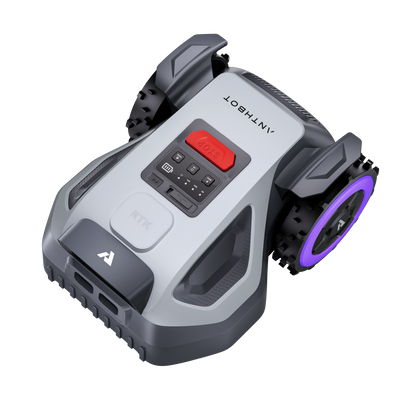
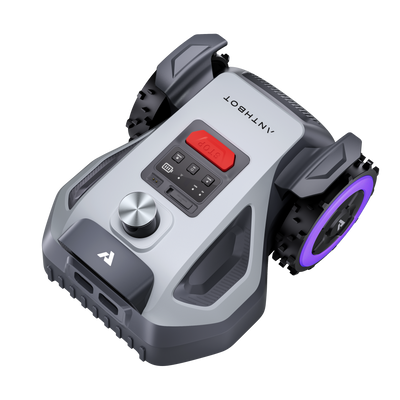
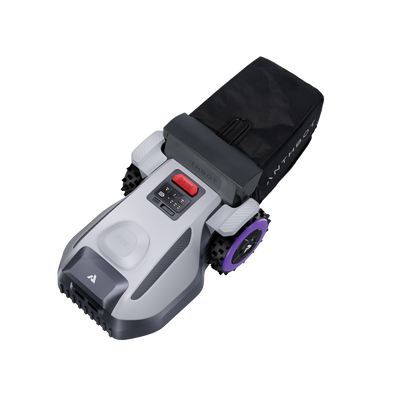
Se stai cercando un robot tagliaerba economico per colline e terreni irregolari, trovare il giusto equilibrio tra prezzo, capacità di salita e navigazione è fondamentale. Rispetto ai modelli premium con prezzi superiori a 2.000 dollari, ANTHBOT offre un'opzione più conveniente con prestazioni affidabili in salita e funzionalità intelligenti. L'M5 è adatto alla cura di base del prato, mentre il LiDAR M5, N8, E M9 affrontare terreni più complessi. ANTHBOT offre anche sconti stagionali di circa il 10%-20%, rendendo la serie N un'opzione ancora più conveniente.
| Modello | Fascia di prezzo | Ideale per | Tecnologia di navigazione | Prestazioni di Hill | Vantaggio chiave |
| ANTHBOT M5 | In giro €629/$679 | 500 m² (1/8 di acro) | RTK a banda intera + doppia visione | 24°/45% | L'opzione più economica per la falciatura automatizzata di base |
| ANTHBOT LiDAR M5 | In giro €869/$949 | 500 m² (1/8 di acro) | LiDAR a 360° + Doppia Visione | 24°/45% | Mappatura più intelligente e migliore evitamento degli ostacoli |
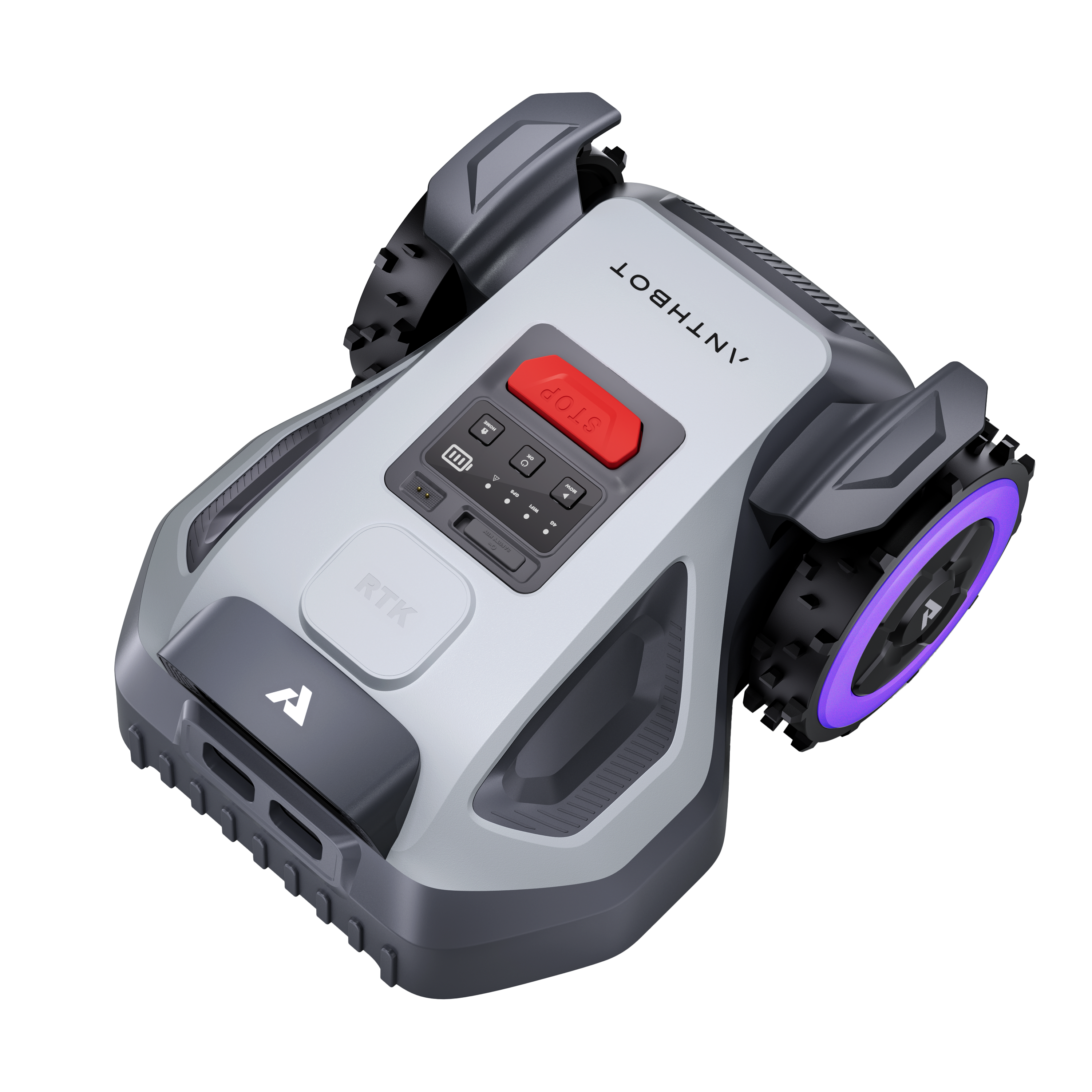
| ANTHBOT N8 | In giro €1099/$1199 | 1500 m² (3/8 di acro) | RTK a banda intera + doppia visione | 24°/45% | Ottimo equilibrio tra prezzo, prestazioni e navigazione intelligente. |
| ANTHBOT M9 | In giro €719/$769 | 1000 m² (1/4 di acro) | RTK a banda intera + doppia visione | 24°/45% | Autonomia maggiore e migliore adattabilità al terreno |
Come scegliere il modello giusto per il tuo giardino
Considera le dimensioni e la pendenza del tuo prato
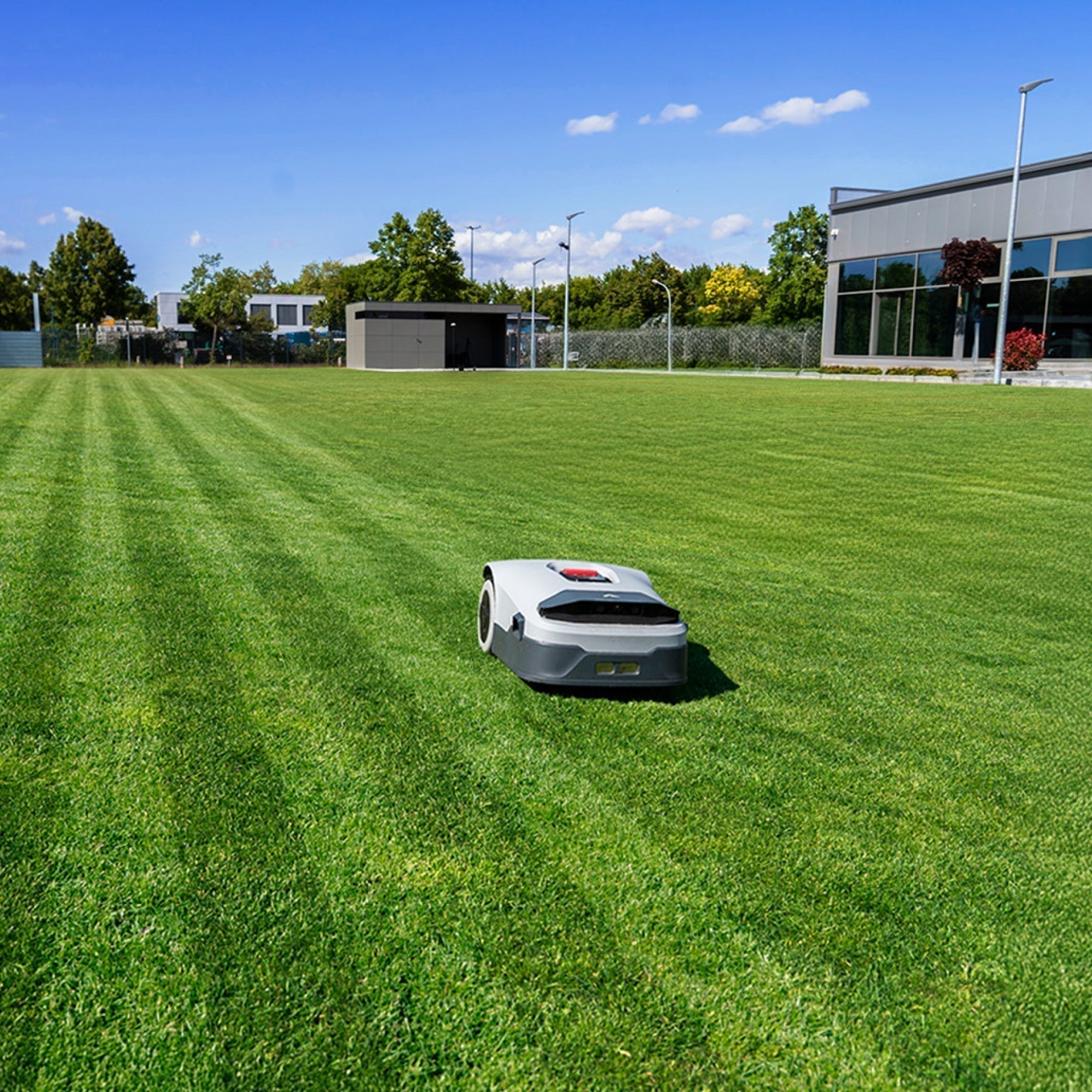
Le dimensioni del prato e la pendenza del terreno sono due dei fattori più importanti da considerare nella scelta di un robot tagliaerba. I prati più piccoli con pendenze lievi si adattano generalmente bene a modelli economici come l'ANTHBOT M5, mentre i giardini più grandi con pendii più ripidi potrebbero trarre maggior vantaggio dalla maggiore capacità di superamento degli ostacoli e dalla maggiore autonomia dei modelli N8 o M9.
Scegli la tecnologia di navigazione più adatta
Diversi sistemi di navigazione sono adatti a diverse condizioni del giardino. La navigazione RTK funziona bene su prati aperti con pochi ostacoli, rendendo modelli come l'N8 una buona scelta per ampie aree in pendenza. Per giardini più complessi con alberi, sentieri stretti o terreno irregolare, il LiDAR M5 può fornire una mappatura più precisa e prestazioni di navigazione più fluide.
Scegli il tosaerba più adatto alle condizioni del tuo terreno.
Se il vostro prato presenta erba bagnata, terreno accidentato o diverse zone di taglio, è importante scegliere un tosaerba con un'ottima trazione, un sistema intelligente di evitamento degli ostacoli e una maneggevolezza stabile su qualsiasi tipo di terreno. Modelli come l'M9 sono progettati per terreni più impegnativi e offrono un funzionamento più fluido e risultati di taglio più uniformi anche su prati irregolari.

Considerazioni finali: i robot tagliaerba sono un investimento valido per le zone in pendenza?
I moderni robot tagliaerba sono diventati più performanti su pendii e terreni irregolari grazie ai miglioramenti in termini di trazione, navigazione ed evitamento degli ostacoli. Scegliere il modello giusto in base alle dimensioni del prato e alle condizioni del terreno è fondamentale per ottenere un taglio stabile ed efficiente sui pendii.
I modelli più economici sono adatti a prati collinari di piccole dimensioni, mentre le opzioni di fascia media, con una migliore navigazione e una maggiore adattabilità al terreno, sono più indicate per giardini complessi. Per i proprietari di casa che desiderano ridurre la fatica del taglio manuale e mantenere un aspetto uniforme del prato, i robot tagliaerba possono rappresentare una soluzione pratica per i terreni in pendenza.
FAQ
I robot tagliaerba sono in grado di affrontare pendii ripidi?
Sì, molti robot tagliaerba moderni sono in grado di affrontare colline e terreni irregolari. Grazie a motori più potenti, una migliore trazione e un sistema di navigazione intelligente, possono tagliare l'erba sui pendii in modo più affidabile, sebbene le prestazioni dipendano comunque dall'inclinazione del pendio e dal modello specifico.
Qual è la pendenza massima che un robot tagliaerba può superare?
La maggior parte dei modelli standard è in grado di affrontare pendenze del 45%, mentre i tosaerba più avanzati, progettati specificamente per le zone collinari, possono raggiungere pendenze comprese tra il 45% e l'80% o anche superiori. Prima dell'acquisto, è sempre consigliabile verificare la capacità di superamento delle pendenze dichiarata dal produttore.
Qual è il miglior robot tagliaerba economico per terreni collinari?
La scelta migliore dipende dalle dimensioni del prato e dalla conformazione del terreno. L'ANTHBOT M5 è adatto a prati di piccole dimensioni e lievi pendenze, mentre i modelli M5 LiDAR e N8 offrono una navigazione migliore e prestazioni superiori per terreni più complessi, a un prezzo ragionevole.
Per i prati in pendenza, è meglio la tecnologia RTK o LiDAR?
La tecnologia RTK funziona al meglio su prati aperti e privi di ostacoli, con un posizionamento preciso, mentre la tecnologia LiDAR offre prestazioni migliori in aree complesse con alberi, sentieri stretti o segnali GPS deboli. La scelta migliore dipende dalla conformazione del vostro giardino.


Lascia un commento
Questo sito è protetto da hCaptcha e applica le Norme sulla privacy e i Termini di servizio di hCaptcha.