






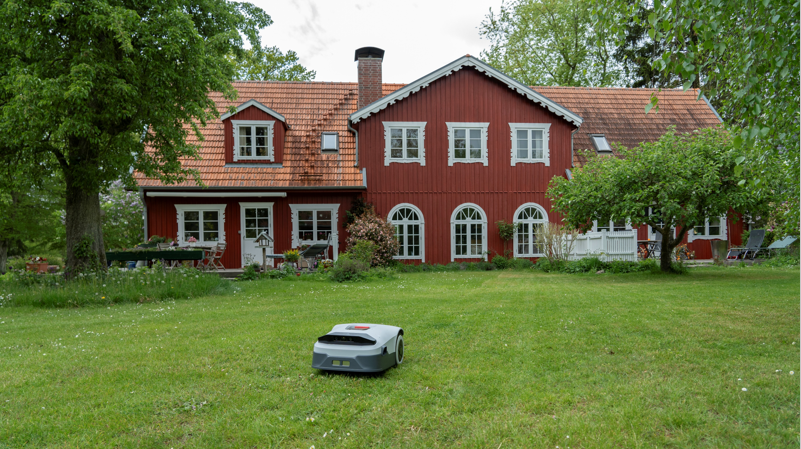
Pendant des années, les tondeuses robotisées ont utilisé des câbles périphériques pour définir les zones de tonte autorisées. Bien que ce système soit fiable, l'installation du câble peut prendre du temps et modifier la zone de tonte implique souvent de le déplacer ou de le réinstaller.
Tondeuses à gazon robotisées sans fil ils proposent une approche différente. Au lieu d'utiliser une frontière physique, ils utilisent des technologies telles que RTK, GPS, LiDAR, caméras, ou une combinaison de capteurs cartographier la pelouse et créer des limites virtuelles.

Cette évolution simplifie la mise en place et la gestion des robots tondeuses. Vous pouvez créer ou modifier les zones de tonte numériquement, sans avoir à retourner votre pelouse ni à déplacer les câbles périphériques.
Cependant, opter pour une tondeuse sans fil n'implique pas automatiquement une meilleure performance. La technologie de navigation, la configuration de la pelouse, la visibilité satellite, la détection des obstacles et le logiciel sont autant de facteurs qui influencent le bon fonctionnement d'une tondeuse sans fil.
Table of Contents
Qu'est-ce qu'une tondeuse robot sans fil périphérique ?
Une tondeuse robot sans fil périphérique est une tondeuse robotisée qui ne nécessite pas de câble physique installé autour de votre pelouse. Elle utilise plutôt un système de délimitation sans fil. technologies de navigation et cartographie numérique pour déterminer où elle doit tondre.
Les tondeuses robots traditionnelles utilisent généralement un câble périphérique enterré ou fixé autour de la pelouse. Ce câble crée une limite physique qui indique à la tondeuse où se termine la zone de tonte. Les modèles sans fil remplacent ce système par des limites virtuelles créées grâce à des systèmes de cartographie et de positionnement.
Comment ça marche ?
Le processus de base est le suivant :
- Cartographier la pelouse – La tondeuse scanne ou parcourt le jardin pour créer une carte numérique.
- Définir des limites virtuelles – Les utilisateurs définissent les zones de tonte et les zones interdites via la tondeuse ou son application.
- Navigation automatique – La tondeuse utilise des technologies telles que le RTK, le LiDAR, la vision, ou une combinaison de celles-ci, pour déterminer sa position.
- Tondez à l'intérieur de la zone cartographiée – La tondeuse suit les itinéraires prévus tout en évitant les obstacles et les zones interdites.
- Retour et recharge – Lorsque la batterie est faible, elle retourne à sa station de charge et peut ensuite reprendre la tonte.
Fil périmétrique vs.Sans fil
| Fonctionnalité | Tondeuse à fil périmétrique | Tondeuse sans fil |
| Configuration des limites | Câble physique | Limite virtuelle |
| Installation | Nécessite l'installation de câbles | Installation généralement plus rapide |
| frontières changeantes | Déplacer/réinstaller le câble | Réglage numérique |
| Gestion multizone | Peut nécessiter un câblage supplémentaire | Généralement plus facile à gérer |
| Navigation | Limite filaire + capteurs | Systèmes RTK, LiDAR, de vision ou hybrides |
Le principal avantage d'une pelouse sans fil réside dans sa flexibilité. Vous pouvez créer et modifier des zones de tonte sans toucher à la structure même de votre pelouse.
Cependant, sans fil ne signifie pas sans technologie. La tondeuse a toujours besoin d'un système fiable pour se repérer et comprendre son environnement. C'est pourquoi le système de navigation est un critère essentiel lors du choix d'une tondeuse robot sans fil.
Comment les tondeuses robots sans fil savent-elles où tondre ?
La principale question concernant une tondeuse robotisée sans fil périphérique est simple : s’il n’y a pas de limite physique, comment la tondeuse sait-elle où tondre ?
La solution réside dans la cartographie numérique combinée aux technologies de positionnement et de détection environnementale. Selon le modèle, une tondeuse sans fil peut utiliser le RTK, la vision, le LiDAR, ou plusieurs de ces technologies simultanément pour comprendre sa position et son environnement.
1. Créer une carte numérique
Avant de tondre, la tondeuse établit une carte de la pelouse. Selon le modèle, il peut s'agir d'une cartographie automatique, d'une cartographie guidée ou d'une combinaison de capteurs et de données de positionnement.
La carte définit les zones où la tondeuse doit fonctionner et peut également identifier les zones interdites telles que les parterres de fleurs, les piscines ou le mobilier de jardin.

2. Définir des limites virtuelles
Au lieu d'installer un câble périmétrique physique, vous pouvez définir des limites virtuelles dans l'application de la tondeuse ou lors du processus de cartographie.
Si vous modifiez votre jardin ultérieurement, ces limites peuvent généralement être ajustées numériquement plutôt que de déplacer physiquement un fil.
3. Se localiser pendant la tonte
En fonctionnement, la tondeuse détermine en permanence sa position grâce à son système de navigation.
- RTK assure un positionnement très précis.
- LiDAR analyse l'environnement.
- Vision utilise caméras et IA reconnaître les objets et les caractéristiques de la pelouse.
- Systèmes hybrides Combiner plusieurs technologies pour améliorer la fiabilité de la navigation.

4. Détecter les obstacles et les zones réglementées
Le positionnement seul ne suffit pas.La tondeuse doit également comprendre ce qui l'entoure.
Selon le modèle, des capteurs et des caméras peuvent détecter des objets tels que des arbres, des pots de fleurs, des jouets, des meubles de jardin et autres obstacles, permettant à la tondeuse d'adapter son itinéraire au lieu de simplement foncer dedans.
5. Planifier et ajuster son itinéraire de tonte
Une fois que la tondeuse connaît sa position et les limites de la zone à tondre, elle peut planifier un itinéraire sur la pelouse. Les modèles plus avancés peuvent également gérer plusieurs zones, retourner à leur station de charge et reprendre la tonte là où elle s'était arrêtée.

La principale différence
Une tondeuse à fil périmétrique utilise principalement un fil physique pour définir la zone de tonte, tandis qu'une tondeuse sans fil s'appuie sur des cartes numériques, le positionnement et la détection environnementale.
Cela rend la tonte sans fil plus flexible, mais cela signifie aussi que la qualité du système de navigation de la tondeuse joue un rôle beaucoup plus important dans ses performances globales.
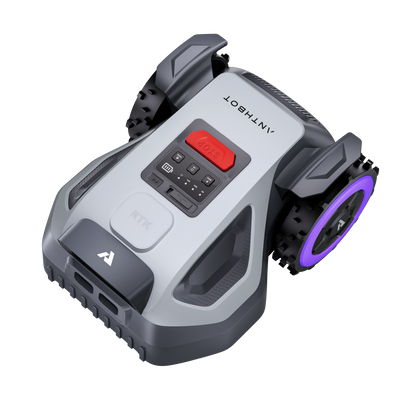
€749,00
€1.168,00
€1.468,00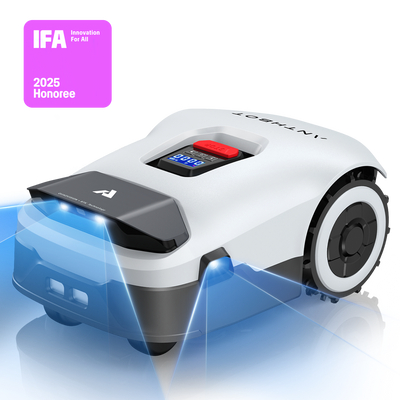
€999,00
Avantages des tondeuses robotisées sans fil de périmètre
Le plus grand avantage d'une tondeuse robot sans fil ne réside pas simplement dans l'absence de câble. C'est… installation plus simple et plus de flexibilité qui accompagnent l'utilisation de frontières virtuelles.
Installation sans fil périphérique
Les modèles traditionnels nécessitent l'installation d'un câble physique autour de la pelouse. Les modèles sans fil éliminent cette étape, ce qui rend l'installation beaucoup plus rapide et moins perturbatrice pour votre jardin.
Il est plus facile de modifier les zones de tonte
Besoin d'agrandir un parterre de fleurs ou de créer une nouvelle zone délimitée ? Grâce aux bordures virtuelles, vous pouvez généralement effectuer ces modifications via le système de cartographie ou l'application de votre tondeuse, sans avoir à déplacer de câbles physiques.
Idéal pour plusieurs zones de pelouse
Les modèles sans fil facilitent l'entretien des pelouses de devant, de derrière, latérales ou autres zones de tonte distinctes. Selon le modèle, vous pouvez créer différentes zones et programmations sans installer de câbles périphériques supplémentaires.
Moins d'entretien des fils de délimitation
Un câble physique peut être endommagé par des travaux de jardinage, les intempéries, les animaux ou des coupures accidentelles. Sans câble périphérique, il n'y a pas de câble enterré à dépanner ou à réparer.
Installation plus propre
Aucun fil électrique n'est visible autour de la pelouse, et il n'est pas nécessaire de creuser des tranchées ni de fixer des câbles en bordure de jardin. Cette solution est particulièrement pratique pour les jardins déjà aménagés, afin de ne pas perturber le paysage existant.
Gestion des pelouses plus flexible
Les limites virtuelles facilitent l'adaptation de la zone de tonte à l'évolution de votre jardin. C'est particulièrement utile pour les propriétaires qui modifient fréquemment leur aménagement paysager ou qui ont une pelouse de forme irrégulière.
En résumé : les tondeuses robots sans fil offrent une facilité d’installation, de gestion des limites et une flexibilité à long terme optimales. Toutefois, leurs performances dépendent fortement de la qualité de leur technologie de navigation et de son adéquation à votre jardin.
Types de tondeuses à gazon robotisées sans fil
Les tondeuses robotisées sans fil utilisent différentes technologies pour se repérer et appréhender leur environnement. Les principales options sont le RTK, la vision, le LiDAR et la navigation hybride. Chacune présente des avantages spécifiques ; le choix optimal dépend donc de la configuration de votre pelouse et de son environnement.
1. Tondeuses à gazon robotisées basées sur la technologie RTK
Le RTK utilise des données de positionnement et de correction par satellite pour fournir des informations de localisation très précises.Elle permet à la tondeuse de créer des parcours de tonte précis sans fil périphérique physique.
Avantages
- Positionnement de haute précision
- Tonte précise et systématique
- Convient parfaitement aux grandes pelouses dégagées.
- Aucun fil de délimitation physique
Cons
- Les arbres et les bâtiments peuvent perturber les signaux satellites.
- Certains modèles nécessitent une station de référence RTK
- Moins adapté aux zones fortement obstruées
Idéal pour : Pelouses dégagées avec une bonne visibilité satellite.

2. Tondeuses à gazon robotisées à vision
Les modèles basés sur la vision utilisent des caméras et l'IA pour reconnaître l'herbe, les obstacles, les bordures de pelouse et autres objets. Au lieu de se fier principalement au positionnement par satellite, la tondeuse utilise les informations visuelles pour comprendre son environnement.
Avantages
- Peut identifier les obstacles visibles
- Moins dépendant du positionnement par satellite
- Utile pour les aménagements paysagers
- Peut prendre en charge une configuration sans fil relativement simple
Cons
- L'éclairage et les conditions météorologiques peuvent affecter la reconnaissance visuelle
- Les ombres ou les contours flous peuvent réduire la précision.
- Les performances dépendent des capacités de la caméra et de l'IA.
Idéal pour : Jardins de petite à moyenne taille avec des limites et des obstacles clairement visibles.

3. Tondeuses à gazon robotisées à base de LiDAR
La technologie LiDAR utilise le balayage laser pour mesurer l'environnement et aider la tondeuse à comprendre les objets et les espaces environnants.
Avantages
- Ne dépend pas entièrement des signaux satellites
- Efficace pour détecter les obstacles proches
- Utile autour des arbres, des bâtiments et des clôtures
- Moins dépendants de la lumière du jour que les systèmes de vision
Cons
- Peut augmenter le coût de la tondeuse
- Les performances dépendent de la qualité du capteur et de la cartographie.
- La cartographie environnementale locale ne remplace pas le positionnement global fourni par RTK.
Idéal pour : Jardins complexes, passages étroits et zones à visibilité satellite limitée.

4. Tondeuses à gazon robotisées à navigation hybride
La navigation hybride combine plusieurs technologies pour pallier les limitations d'un système de positionnement unique. Grâce à l'utilisation conjointe de différents capteurs, la tondeuse peut s'adapter à une plus grande variété de conditions de jardin.
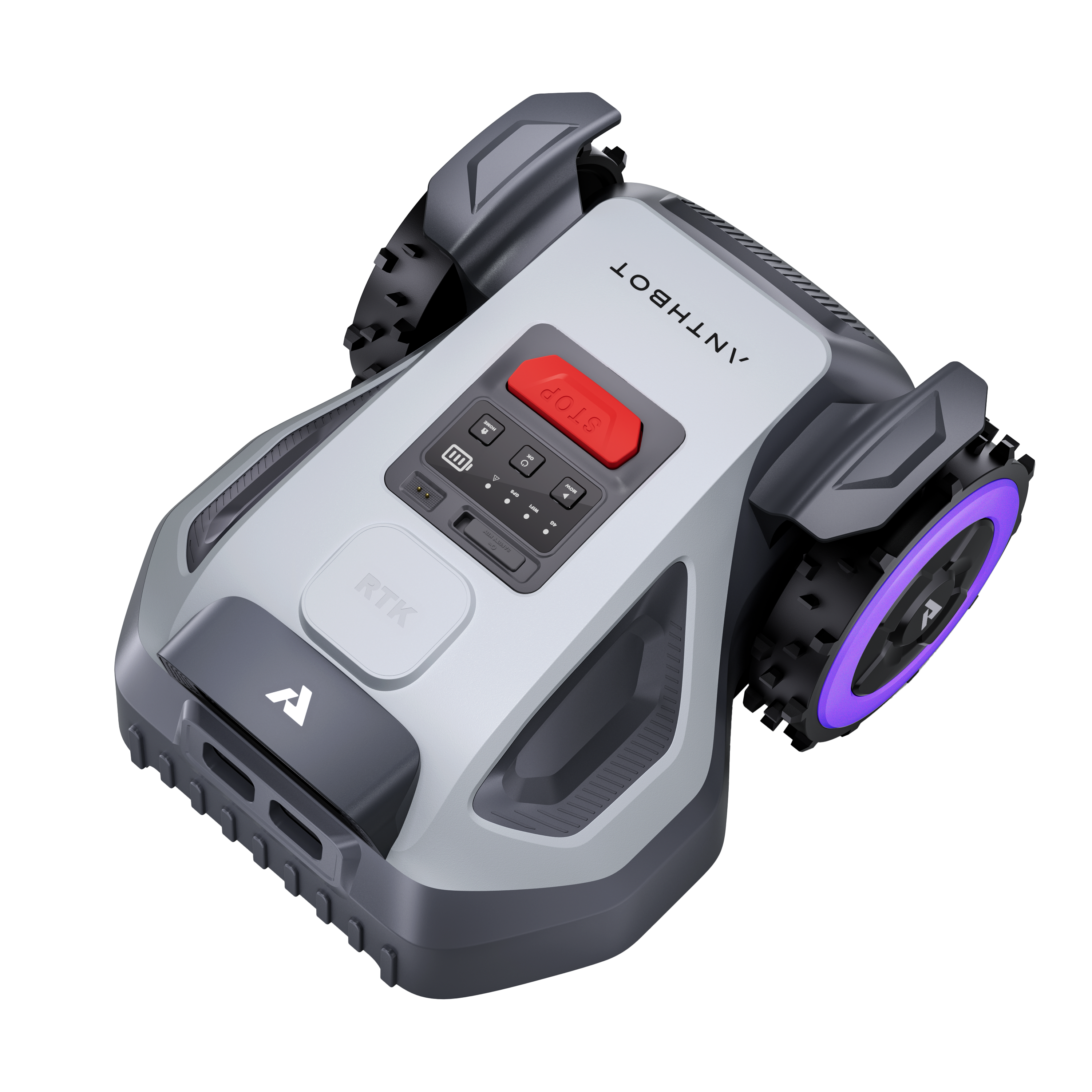
Par exemple, le ANTHBOT M Pro Série utilise Positionnement par fusion quadruple HoloSense, combiner LiDAR 360°, RTK/NetRTK, et Vision.
La série M Pro propose également Cartographie automatique en un clic, Détection par IA de plus de 1 000 types d'obstacles, Programmation multizone intelligente, tonte des bordures EdgeWiz™ et capacité de pente jusqu'à 24° (45%).
Avantages
- Elle combine les atouts de plusieurs technologies
- Plus adaptable à différents environnements de pelouse
- Peut maintenir la navigation même lorsqu'une méthode de positionnement est limitée.
- Idéal pour les configurations complexes et les zones multiples
Cons
- Coûte généralement plus cher que les modèles à technologie unique.
- L'ajout de capteurs et de logiciels rend le système plus sophistiqué.
- Peut être inutile pour les pelouses simples et dégagées.
Idéal pour: Pour les propriétaires qui souhaitent une tondeuse sans fil polyvalente adaptée à différentes configurations de pelouse et aux conditions difficiles.
Sans fil ou avec fil périphérique : lequel est le meilleur ?
Les robots tondeuses sans fil et celles à fil périphérique peuvent entretenir une pelouse automatiquement, mais leur approche pour définir la zone de tonte est très différente. Le choix de la meilleure option dépend de vos préférences d'installation, de la configuration de votre pelouse et de votre budget.
Sans fil vs.Fil périmétrique
| Fonctionnalité | Tondeuse robot sans fil | Tondeuse robot à fil périmétrique |
| Configuration des limites | Frontières virtuelles | Câble physique |
| Installation | Généralement plus rapide et plus facile | Nécessite l'installation du câble |
| frontières changeantes | Réglage numérique | Déplacez ou réinstallez le fil |
| Zones multiples | Généralement plus facile à configurer | Peut nécessiter un câblage plus complexe |
| Maintenance des câbles | Aucun fil périphérique à réparer | Le fil peut se casser ou s'endommager. |
| Aspect de la pelouse | Aucun câble périphérique visible | Le fil peut être visible lors de l'installation. |
| Navigation | RTK, vision, LiDAR ou hybride | Fil périphérique + capteurs embarqués |
| coût initial | Souvent plus élevé | Généralement plus abordable |
| flexibilité de configuration | Haut | Abaisser une fois le fil installé |
Quand le sans fil est le meilleur choix
Une tondeuse sans fil est particulièrement intéressante si vous :
- Je ne souhaite pas installer ni enterrer de câble périmétrique
- Avoir plusieurs pelouses
- Modifiez fréquemment l'aménagement de votre jardin
- Vous souhaitez créer des frontières virtuelles via une application ?
- Je préfère une installation plus rapide et plus propre
C'est également une bonne option pour les propriétaires qui souhaitent une navigation et une détection d'obstacles plus avancées.
Quand le grillage périmétrique a encore du sens
Une tondeuse à fil périphérique traditionnelle peut encore constituer un choix pratique si :
- Vous avez une pelouse simple et clairement délimitée
- Votre budget est limité
- Cela ne vous dérange pas de passer du temps sur l'installation
- Vous préférez un système de délimitation éprouvé et relativement simple.
Alors, lequel est le meilleur ?
Sans fil ne signifie pas forcément meilleur. Son principal avantage réside dans sa praticité et sa flexibilité, tandis que les modèles à fil périphérique offrent une solution plus simple et plus abordable pour les pelouses simples.
Si vous êtes prêt à investir davantage pour une installation plus facile, des bordures virtuelles et une gestion flexible de votre pelouse, une tondeuse sans fil peut s'avérer un bon investissement. Pour une pelouse simple dont les contours restent généralement inchangés, un modèle avec fil périphérique peut également constituer un excellent choix.
Tondeuses à gazon robotisées sans fil recommandées
Si vous souhaitez une tondeuse robot sans fil périphérique, votre choix devrait dépendre de la complexité de votre pelouse, de la surface à tondre et du budget que vous êtes prêt à y consacrer. Les modèles sans fil d'ANTHBOT, le Série M Pro se distingue par sa navigation avancée, tandis que le M5 offre plus Option économique.
Idéal pour la tonte sans fil de pointe : Série ANTHBOT M Pro
La série ANTHBOT M Pro, y compris M5 Pro et M9 Pro, Elle est conçue pour les propriétaires qui souhaitent une tondeuse sans fil capable de s'adapter à une grande variété de conditions de jardin.
Au lieu de s'appuyer sur une seule technologie de navigation, la série M Pro utilise le positionnement HoloSense Quad-Fusion, combinant LiDAR 360°, RTK/NetRTK et vision. Cette approche multisensorielle permet à la tondeuse de maintenir un positionnement précis tout en appréhendant son environnement.

Caractéristiques principales
- Pas de câble périmétrique ni d'installation RTK
- Positionnement par fusion quadruple HoloSense
- LiDAR 360° + RTK/NetRTK + Vision
- Cartographie automatique en un clic
- Détection par IA de plus de 1 000 types d'obstacles
- Programmation multizone intelligente
- EdgeWiz™ Tonte des bordures
- Gère des pentes jusqu'à 24° (45%)
- Conçu pour différentes configurations de pelouse et scénarios de tonte
M5 Pro contre M9 Pro
La principale différence entre les deux modèles réside dans leur capacité de tonte :
| Modèle | Couverture | Idéal pour |
| ANTHBOT M5 Pro | Jusqu'à 500 m² (0,12 acre) | jardins de petite à moyenne taille |
| ANTHBOT M9 Pro | Jusqu'à 1 000 m² (0,25 acre) | jardins résidentiels de taille moyenne à grande |
Étant donné que la technologie de navigation et les fonctionnalités de base sont en grande partie communes, choisissez principalement en fonction de la taille de votre pelouse plutôt que d'acheter le modèle plus grand simplement pour une capacité supplémentaire.
Pourquoi choisir la série M Pro ?
Son principal avantage réside dans sa capacité à combiner différentes technologies de navigation plutôt que de dépendre d'un seul système. Le RTK assure le positionnement, le LiDAR cartographie l'environnement et la vision permet de reconnaître les objets et les caractéristiques du terrain.
Cela fait de la série M Pro une option intéressante pour les propriétaires qui souhaitent une tondeuse sans fil capable de s'adapter à différents types de jardins, notamment les pelouses avec des obstacles, les zones multiples et les aménagements plus complexes.
Tondeuse robot sans fil au meilleur rapport qualité-prix : ANTHBOT M5
Si vous avez une pelouse plus petite et relativement simple, ANTHBOT M5 est une option plus abordable qui se concentre sur la fourniture des avantages essentiels de la tonte robotisée sans fil.
Avec une couverture allant jusqu'à 500 m² (0,12 acre), Le M5 est parfaitement adapté aux jardins résidentiels classiques. Il offre une cartographie automatique, une navigation intelligente et un contrôle via une application, sans nécessiter de câble périmétrique traditionnel.
Pourquoi choisir la M5 ?
- Couverture jusqu'à 500 m²
- Fonctionnement sans fil
- Cartographie automatique en un clic
- Contrôle par application intelligente
- Conception compacte
- Rapport qualité-prix élevé
Le modèle M5 est le plus judicieux si votre priorité est d'obtenir une tonte sans fil fiable sans payer pour des fonctionnalités dont votre pelouse n'a pas forcément besoin.
Lequel choisir ?
Choisissez la série M Pro si vous avez un jardin plus complexe et que vous souhaitez une navigation multi-capteurs avancée capable de s'adapter à différentes conditions de tonte.
Choisissez le M5 si vous avez une pelouse jusqu'à 500 m² et que votre priorité principale est le rapport qualité-prix et une tonte simple sans fil.
En résumé, la série M Pro est le choix le plus avancé, tandis que la M5 se concentre sur l'offre d'une expérience sans fil de base à un prix plus accessible.
Comment choisir la tondeuse robot sans fil idéale
La meilleure tondeuse robot sans fil n'est pas forcément celle dotée de la technologie la plus avancée. Elle doit avant tout être adaptée à la taille, à la configuration et à l'environnement de votre pelouse, ainsi qu'à votre budget.
1. Commencez par déterminer la superficie de votre pelouse.
Choisissez une tondeuse d'une capacité suffisante pour couvrir toute votre surface à tondre.
- Jusqu'à 500 m²: Un modèle compact tel que le ANTHBOT M5 ou M5 Pro Cela peut suffire.
- Jusqu'à 1 000 m²: Envisagez un modèle à plus grande capacité tel que le ANTHBOT M9 Pro.
Il vaut mieux disposer d'une certaine capacité de réserve plutôt que de choisir une tondeuse qui fonctionne constamment à pleine capacité.
2. Réfléchissez à l'aménagement de votre pelouse
Regarde comme ton jardin est compliqué.
Pelouse simple et dégagée :
La navigation RTK ou basée sur la vision peut suffire.
Arbres, parterres de fleurs, passages étroits ou zones multiples :
Une tondeuse équipée d'un système de navigation LiDAR ou hybride peut offrir une meilleure connaissance de l'environnement et une plus grande flexibilité.
3. Vérifier la visibilité par satellite
Si vous envisagez l'achat d'une tondeuse à commande RTK, tenez compte des abords de votre jardin.
Les grands arbres, les immeubles de grande hauteur, les clôtures et autres structures peuvent perturber la visibilité des satellites. Si votre pelouse présente de nombreux obstacles potentiels au signal, une tondeuse combinant RTK, LiDAR et vision nocturne pourrait être plus adaptée.
4.Pensez aux obstacles
Dressez la liste des objets que la tondeuse rencontrera, tels que :
- Arbres
- parterres de fleurs
- mobilier de jardin
- Jouets pour enfants
- Chemins
- décorations de jardin
Si votre pelouse comporte de nombreux obstacles, privilégiez la détection des obstacles et la cartographie de l'environnement plutôt que de vous concentrer uniquement sur la précision du positionnement.
5. Envisager plusieurs zones
Si vous avez des pelouses séparées à l'avant, à l'arrière ou sur les côtés, vérifiez si la tondeuse prend en charge la gestion multizone.
Un bon système sans fil devrait vous permettre de créer différentes zones et programmes de tonte sans nécessiter de câbles périphériques physiques supplémentaires.
6. Choisissez des fonctionnalités adaptées à votre budget
La navigation avancée n'est pas toujours nécessaire. Pour une navigation simple 300–500 m² Pour une pelouse, payer beaucoup plus cher pour des capteurs haut de gamme n'apporte pas forcément beaucoup de valeur ajoutée.
En revanche, si votre jardin est complexe, investir dans un meilleur système de navigation peut réduire le travail de préparation et améliorer les performances de tonte au quotidien.
Verdict final
Une tondeuse robot sans fil périphérique simplifie considérablement l'entretien de votre pelouse en remplaçant les limites physiques par une cartographie numérique et une navigation intelligente. Plus besoin d'installer, d'enterrer ni de réparer un fil périphérique, et modifier les zones de tonte devient beaucoup plus simple.
Cependant, sans fil ne signifie pas forcément meilleur. Le bon choix dépend de vos besoins. la taille de la pelouse, son agencement, les obstacles, la visibilité satellite et le budget.
FAQ : Tondeuse à gazon robot sans fil de périmètre
1. Comment fonctionne une tondeuse à gazon robotisée sans fil périphérique ?
Les tondeuses à gazon robotisées sans fil utilisent des technologies telles que Navigation RTK, GPS, LiDAR, vision ou hybride Pour cartographier la pelouse et créer des limites virtuelles, la tondeuse peut déterminer les zones à tondre sans avoir besoin d'un câble périphérique physique.
2. Les tondeuses à gazon robotisées sans fil ont-elles besoin du Wi-Fi ?
Pas nécessairement. Les exigences en matière de Wi-Fi varient selon les modèles. Certaines tondeuses utilisent le Wi-Fi pour le contrôle via une application, les mises à jour logicielles ou les fonctions cartographiques, tandis que leur navigation proprement dite peut reposer sur le RTK, le LiDAR, la vision ou d'autres technologies.
3. Les tondeuses à gazon robotisées sans fil sont-elles précises ?
Ces systèmes peuvent être très précis, mais leurs performances dépendent de la technologie de navigation et de l'environnement du terrain. Le RTK assure un positionnement précis, tandis que le LiDAR et la vision permettent une meilleure perception de l'environnement. Les systèmes hybrides combinent plusieurs technologies pour une plus grande flexibilité.
4. Une tondeuse robot sans fil peut-elle fonctionner sous les arbres ?
Cela dépend du système de navigation. Une végétation dense peut perturber le positionnement par satellite, comme le RTK. Les modèles combinant RTK, LiDAR et vision sont généralement mieux adaptés aux jardins arborés, car ils ne dépendent pas entièrement des signaux satellites.
5. Que se passe-t-il si une tondeuse robot RTK perd son signal ?
La réaction de la tondeuse dépend du modèle. Certains systèmes peuvent temporairement s'appuyer sur d'autres capteurs ou technologies de navigation, tandis que d'autres peuvent interrompre ou modifier leur fonctionnement jusqu'au rétablissement du signal. Si votre pelouse comporte de nombreuses zones où la visibilité satellite est faible, envisagez un système de navigation multi-capteurs.
6. Les tondeuses robots sans fil sont-elles meilleures que les modèles à fil périphérique ?
Pas nécessairement.Les modèles sans fil sont généralement plus faciles à installer et plus flexibles à gérer, tandis que les modèles avec fil périphérique peuvent être plus abordables et conviennent parfaitement aux pelouses simples. Le meilleur choix dépend de votre jardin et de votre budget.
7. Une tondeuse robot sans fil peut-elle gérer plusieurs zones de pelouse ?
De nombreux modèles sans fil modernes prennent en charge la gestion multizone, vous permettant de créer des zones de tonte et des programmes distincts. Cependant, les fonctionnalités varient d'un modèle à l'autre ; il est donc conseillé de vérifier les caractéristiques de la tondeuse avant l'achat.
8. Les tondeuses robots sans fil ont-elles besoin d'une limite ?
Oui, mais la limite est généralement virtuelle plutôt que physique. La tondeuse utilise une carte numérique pour définir les zones où elle peut tondre et celles où la tonte est interdite.
9. Les tondeuses robots sans fil sont-elles plus chères ?
En général, oui. Les modèles sans fil utilisent souvent des systèmes de positionnement, des capteurs et des logiciels plus performants, ce qui peut augmenter leur prix initial. Cependant, ils permettent de gagner du temps et de l'énergie lors de l'installation et des modifications ultérieures des limites de la zone de couverture.
10. Quelle est la meilleure tondeuse robot sans fil périphérique ?
Le modèle le plus adapté dépend de votre pelouse. Pour les pelouses simples et un budget limité, un modèle comme le ANTHBOT M5 peut être un choix pratique. Pour les jardins plus complexes, le Série ANTHBOT M Pro Elle combine les technologies LiDAR 360°, RTK/NetRTK et Vision pour une expérience de tonte sans fil plus polyvalente.




Laisser un commentaire
Ce site est protégé par hCaptcha, et la Politique de confidentialité et les Conditions de service de hCaptcha s’appliquent.