












You want a perfectly manicured lawn without spending your weekend dragging wires or pushing a heavy machine. But when you start researching robot lawn mower costs in Europe, the price tags can be jarring. You might see basic models for €400 and advanced systems stretching past €3,500.
Why is there such a massive gap? And more importantly, what is the actual cost when you factor in installation, maintenance, and hidden fees?
In 2026, understanding the full picture is what separates a smart, time-saving investment from an expensive mistake. Here is your complete guide to robotic mower pricing, hidden costs, and how to choose the right tier for your garden.
Table of Contents
The Short Answer: Average Robot Lawn Mower Prices
Robot mower prices are generally divided into three distinct tiers based on technology, garden size, and navigation capabilities.
1. Entry-Level (€400 - €800)
- Best for: Small, perfectly flat, simple gardens (under 300m²). If you are working with limited space, be sure to read our dedicated guide on finding the best lawn mower for small gardens.
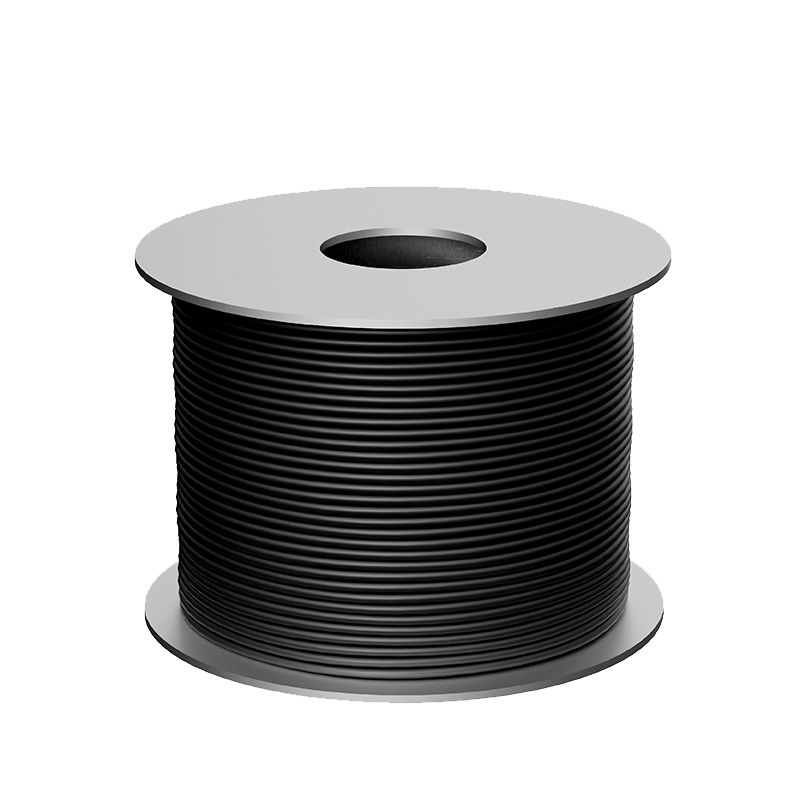
- The Catch: These are almost exclusively "perimeter wire" models. While the mower itself is cheap, you will need to spend hours pegging down a boundary wire or pay a professional to bury it for you. They also lack advanced obstacle avoidance.
2. Mid-Range (€800 - €1,800)
- Best for: Medium gardens (500m² to 1000m²) with standard layouts.
- The Sweet Spot: This is the median price range for most European buyers. In this bracket, you start seeing longer battery life, better app connectivity, and the introduction of wire-free navigation (though often requiring a physical GPS antenna installed on your roof).
3. Premium & Heavy-Duty (€1,800 - €3,500+)
- Best for: Large, complex gardens (1500m²+), multi-zone layouts, and tech-savvy homeowners.
- The Ultimate Convenience: These are the top-tier options. If you want a truly "hands-off" experience, you are likely looking for the best robot lawn mower without perimeter wire. They feature advanced AI vision, superior slope handling, anti-theft tracking, and complete autonomy. You are paying for ultimate accuracy and convenience.
Key Factors Influencing Robotic Lawn Mower Costs
Why exactly does one mower cost €600 while another costs €2,500? The price difference usually comes down to three main technological integrations.
1. Navigation Tech: The End of Wires and Antennas

Navigation is the biggest price driver in 2026. Traditional mowers use a physical boundary wire (cheap technology, but a nightmare to install and repair).
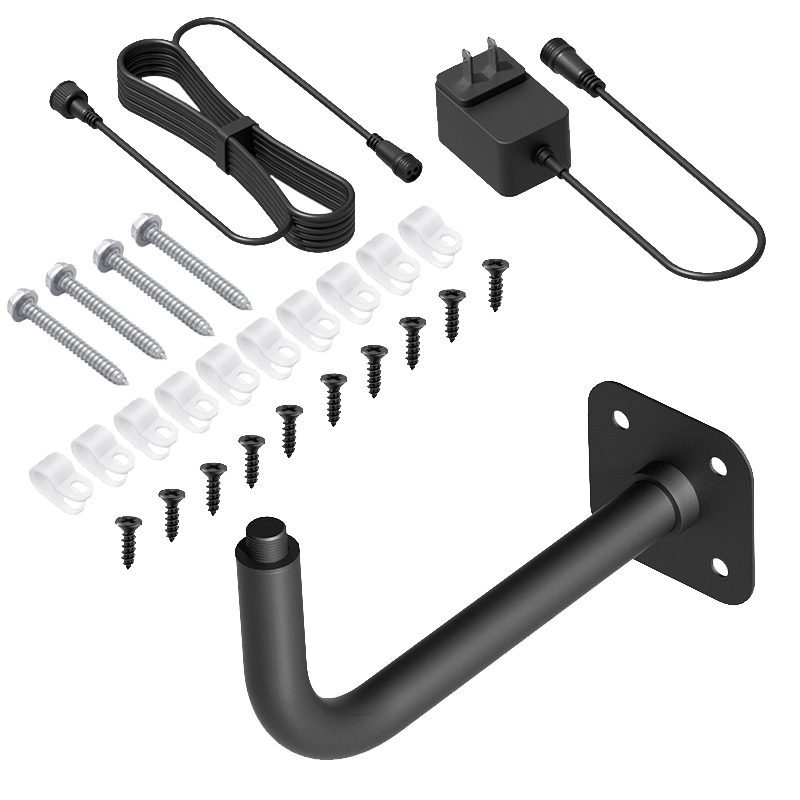
Standard RTK (Real-Time Kinematic) mowers are wire-free and use satellites, but they require you to install an ugly base station antenna on your house.
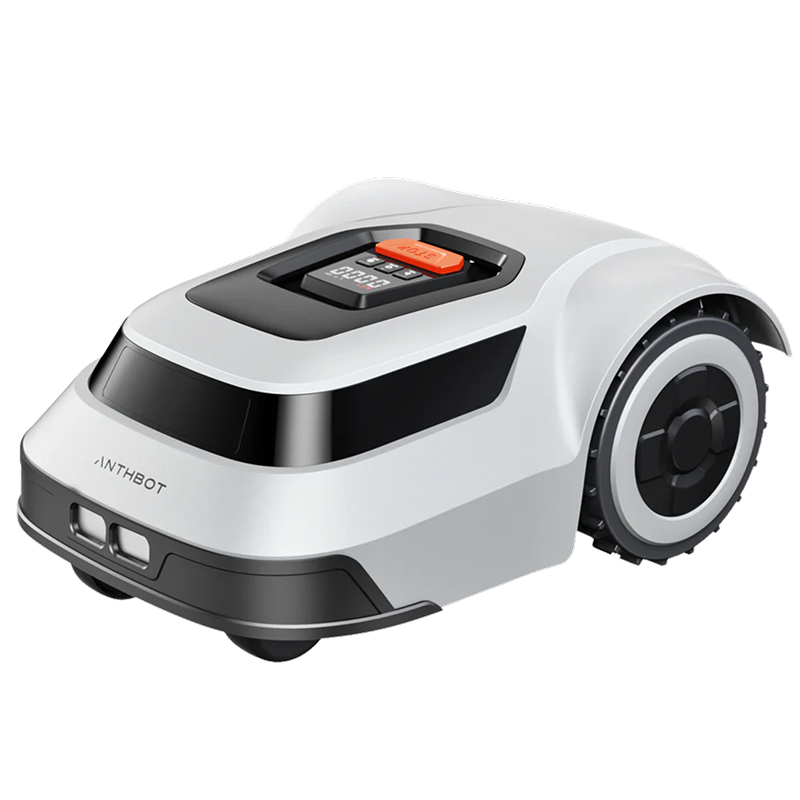
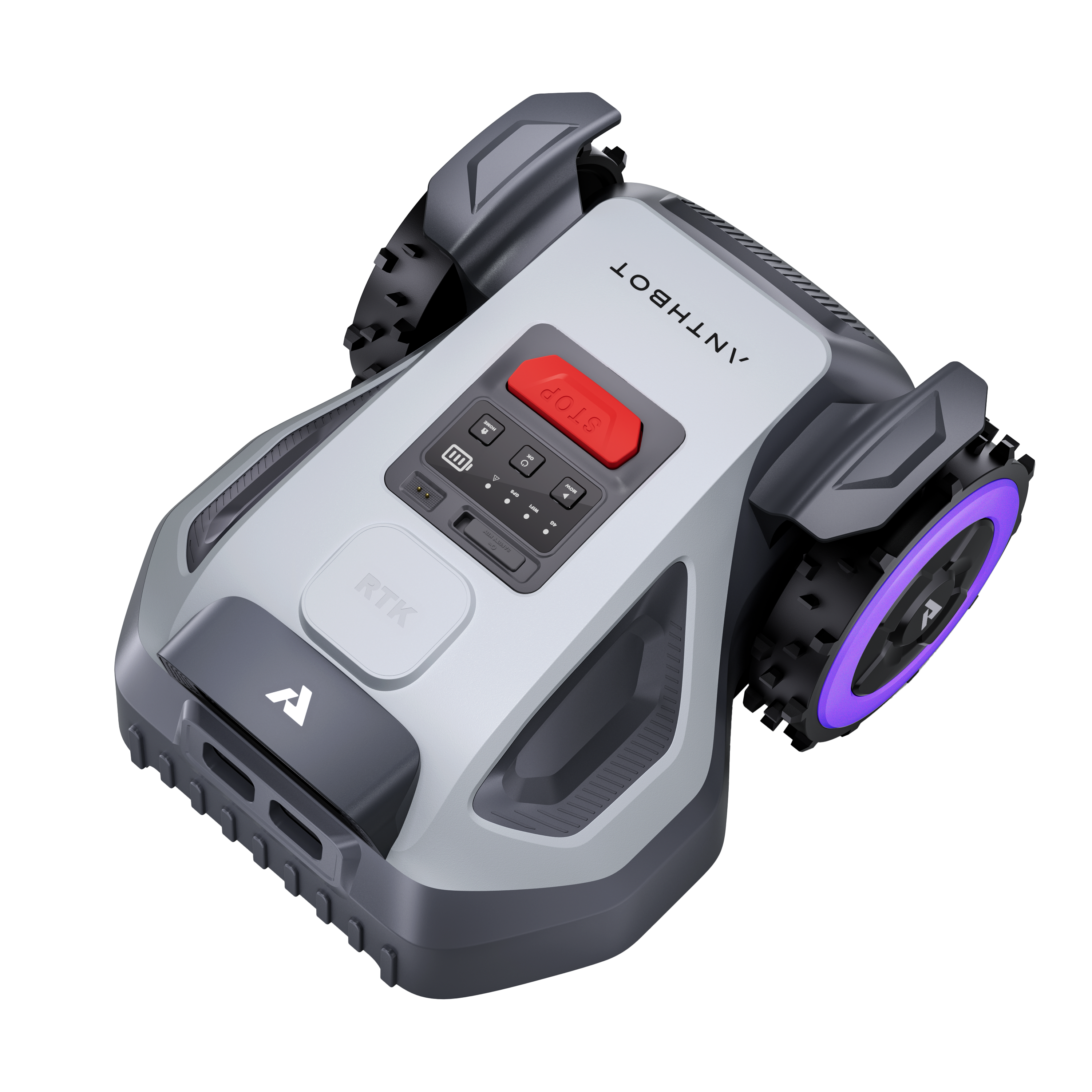
Premium models utilize NetRTK technology. For example, the ANTHBOT M5 uses cellular network support combined with Dual-view AI vision. This eliminates the need for perimeter wires and physical antennas, justifying a premium price tag by saving you massive amounts of installation time and aesthetic compromise.
2. Lawn Size and Battery Capacity

Simply put, larger batteries cost more. A massive mistake buyers make is overpaying for a high-capacity mower designed for a 2000m² estate when their lawn is only 400m². Conversely, buying an entry-level mower for a massive lawn means the robot will constantly need to recharge, leading to an uneven cut and premature battery degradation. Always match the mower's stated capacity to your specific garden size.
3. Smart Ecosystems and Multi-Functionality

A basic mower just cuts grass. A premium mower acts as a complete lawn care ecosystem. For instance, advanced models like the ANTHBOT N8 move beyond simple cutting to offer multiple working modes, including mowing, mulching, collecting, and sweeping. If a high-end robot can replace your traditional mower, strimmer, and garden sweeper all at once, the initial investment quickly pays for itself.
The Hidden Costs: What You Pay After the Purchase
The sticker price is rarely the final cost. When calculating your budget, factor in these secondary expenses:
- Professional Installation Fees: If you buy a perimeter-wire system, hiring a professional to trench and bury the wire can add €300 to €800 to your bill. Note: Wire-free models like ANTHBOT eliminate this cost entirely, making their higher retail price highly competitive in the long run.
- Running Costs (Electricity): Robot mowers are highly energy-efficient. Charging them typically costs less than €20–€30 per year.
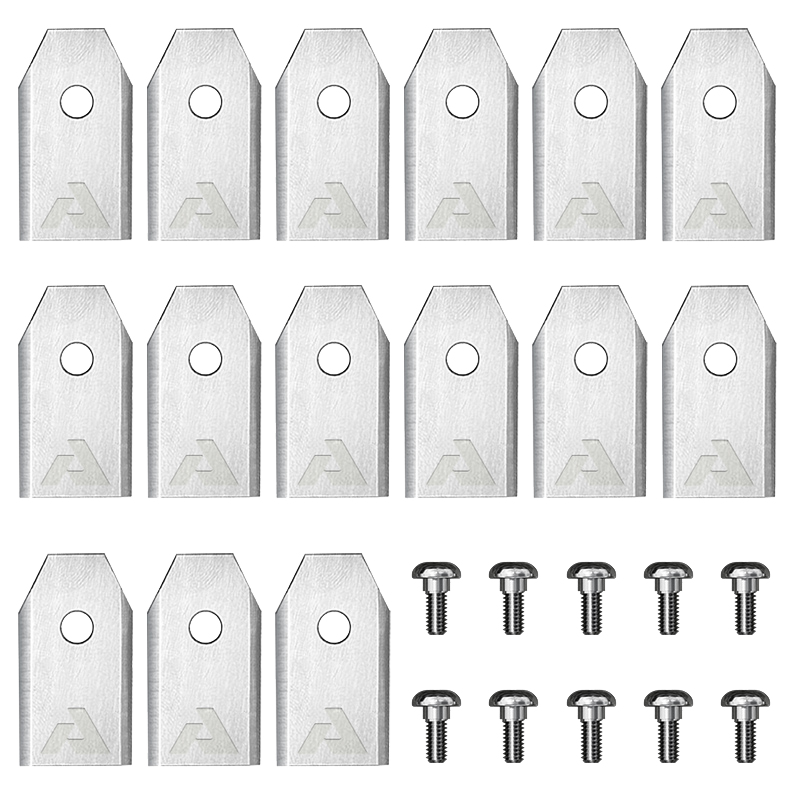
- Maintenance & Consumables: You will need to replace the cutting blades once or twice a year (roughly €15–€30 annually).
- Data Connectivity: If your wire-free mower uses a 4G/cellular connection for NetRTK or anti-theft tracking, there may be a small annual data subscription after the first year.
When to Buy a Robot Mower for the Best Deal
If you want to maximize your budget, timing is everything.
- End-of-Season Sales: Late summer and Black Friday are excellent times to find discounts on current-year models as retailers clear stock for winter.
- Pre-Season Early Bird Offers: Watch for manufacturer-direct launch events in early spring. Being an "early bird" for new releases (like ANTHBOT's seasonal launches) allows you to secure next-generation features at heavily discounted pre-order prices.
Is It Worth the Investment? Calculating Your ROI
A robot mower should be viewed as an investment in your time, not just an expense.
The average homeowner spends roughly 40 hours a year mowing their lawn. Over five years, that is 200 hours of your life spent walking back and forth in the garden. If you outsource the job to a professional landscaper, you could easily spend €4,000 to €7,000 over that same five-year period.
When you compare that against a one-time investment of €1,500–€2,500 for a smart, autonomous robot that also reduces your petrol costs and improves your lawn's health through daily micro-clipping, the long-term value becomes undeniable.
FAQs on Robot Lawn Mower Cost
How much does it cost to install a robotic lawn mower?
If you choose a traditional perimeter-wire mower and hire a professional, installation costs between €300 and €800. If you choose a wire-free, autonomous mower (like an ANTHBOT), installation is DIY via a smartphone app and costs absolutely nothing.
How much does a robot lawn mower increase my electricity bill?
Very little. Because they use efficient lithium-ion batteries and small electric motors, the electrical cost to run a robot mower for an entire season is typically under €30.
What is the difference between standard RTK and NetRTK?
A standard RTK robot mower requires you to mount a physical GPS antenna on your roof or in your garden to receive signals. NetRTK (used in advanced models) utilizes cellular network data to achieve the same centimetre-level accuracy, completely eliminating the need for bulky extra hardware.
How long do robotic lawn mowers last?
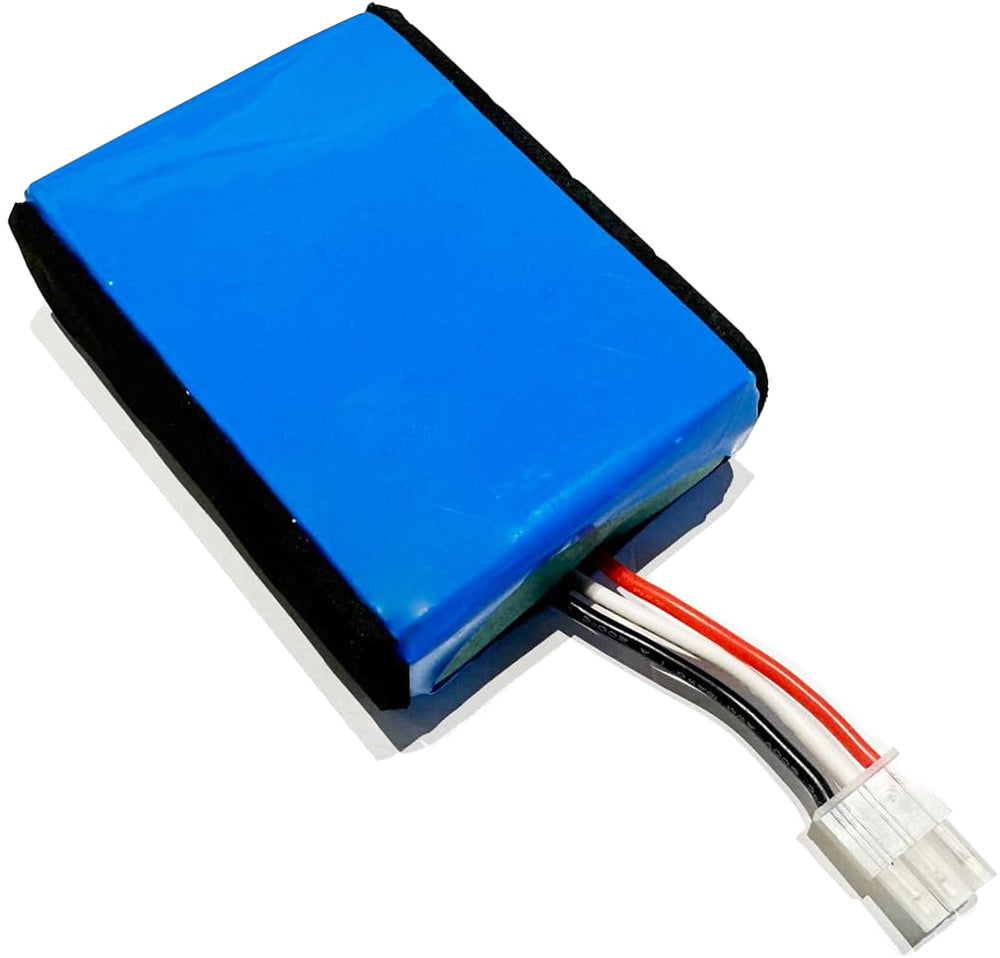
With proper winter storage and regular cleaning, the chassis and motors of a high-quality robotic mower can last 10+ years. The lithium-ion battery will typically need replacing every 3 to 5 years, depending on your lawn size and usage frequency.


Leave a comment
This site is protected by hCaptcha and the hCaptcha Privacy Policy and Terms of Service apply.