


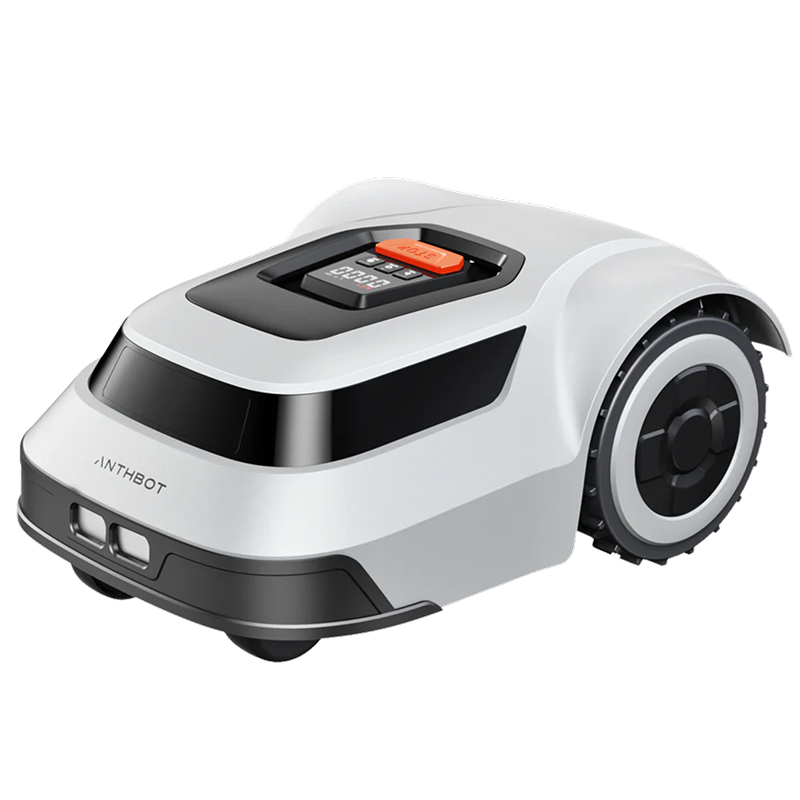







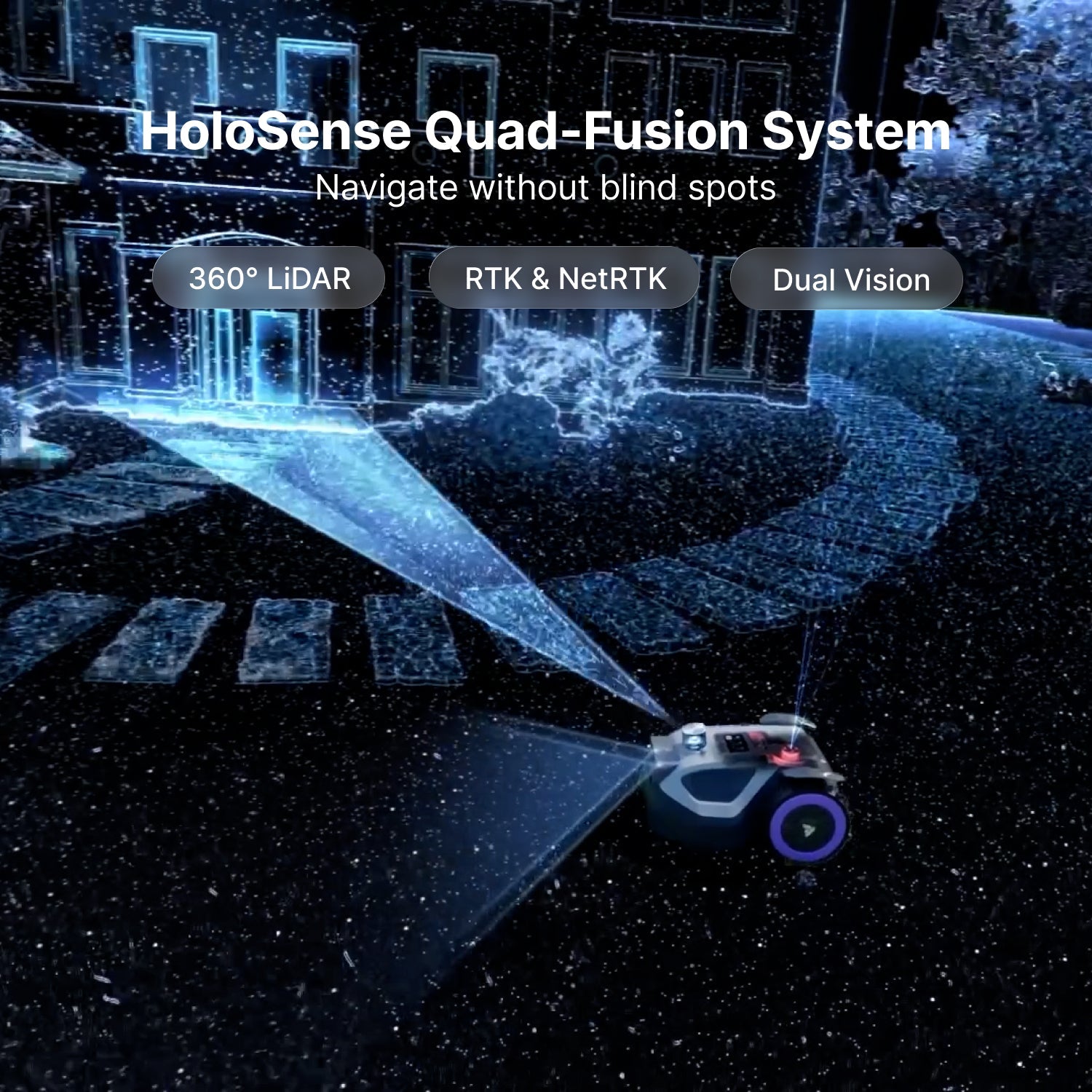
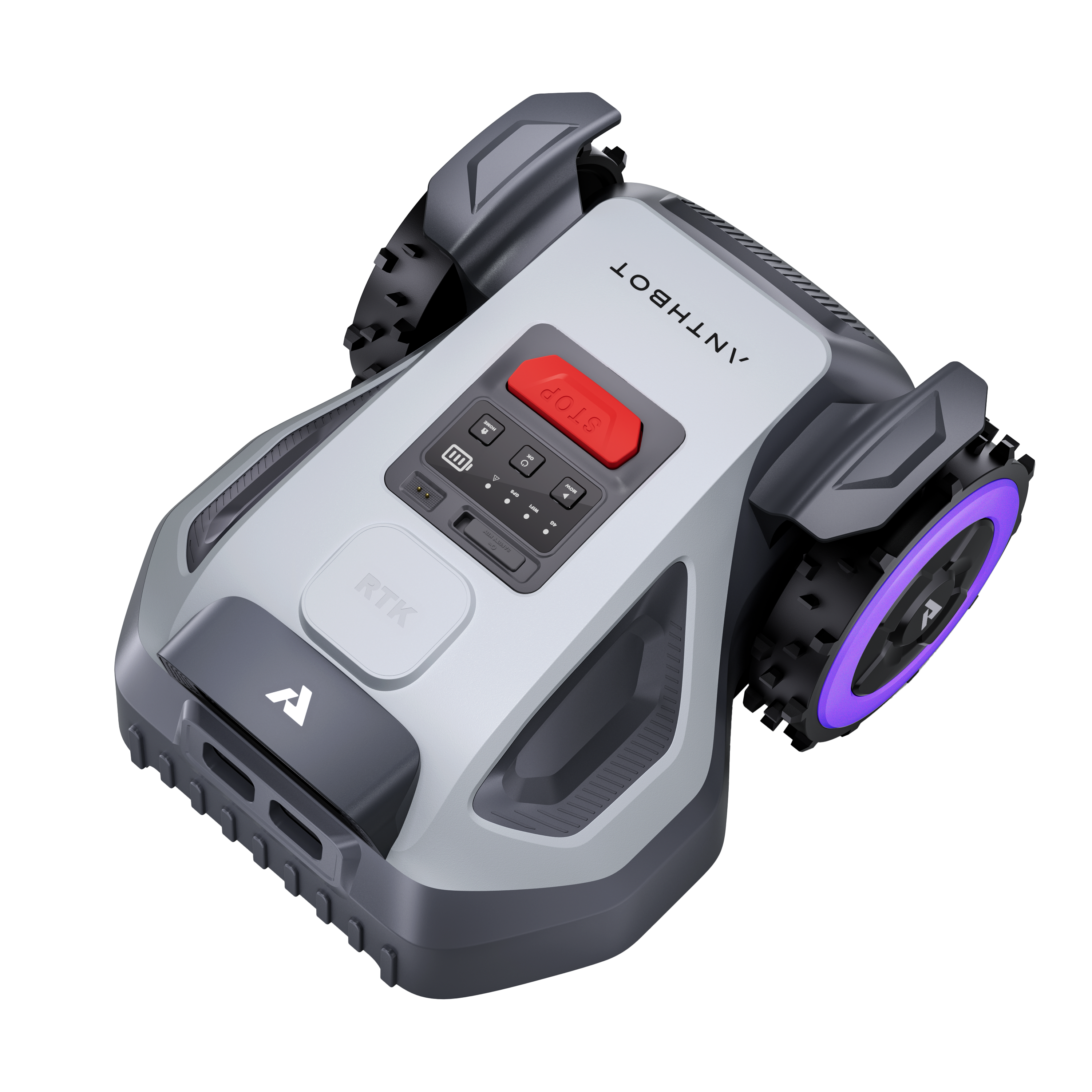
ANTHBOT HoloSense è un sistema di navigazione a quadrupla fusione per robot tagliaerba, inizialmente presente nei modelli M5 Pro/M9 Pro. Combina LiDAR a 360°, RTK/NetRTK e visione AI in un unico sistema integrato per raggiungere una precisione di posizionamento a livello centimetrico in qualsiasi scenario, eliminando al contempo la necessità di cavi perimetrali.
Table of Contents
Sistema HoloSense Fusion adatto a tutti i tipi di prato.
Per eliminare i tradizionali fili perimetrali, i robot tagliaerba di ultima generazione si affidano a un arsenale di tecnologie avanzate come RTK, LiDAR e visione artificiale basata sull'intelligenza artificiale. Sulla carta, questa è un'ottima notizia: tecnologia per ogni prato! Ma per la maggior parte delle persone, rimane solo un rompicapo affascinante.
In fin dei conti, non serve un dottorato in navigazione; basta un robot tagliaerba che funzioni. Ed è qui che entrano in gioco ANTHBOT M5 Pro e M9 Pro. Grazie al sistema di fusione HoloSense, questi robot tagliaerba gestiscono qualsiasi scenario di navigazione, da ampi prati aperti all'ombra fitta degli alberi e agli angoli più difficili. Ora gli utenti possono scegliere un robot tagliaerba senza dover approfondire la terminologia specifica della navigazione.
Vantaggi del sistema di navigazione HoloSense Fusion
Il cuore pulsante dell'M5 Pro/M9 Pro è HoloSense Fusion: una perfetta integrazione di LiDAR a 360°, RTK/NetRTK e visione artificiale basata sull'intelligenza artificiale. Questo trio lavora in perfetta armonia per conferire al rasaerba un'anima da "pilota automatico", garantendo che ogni filo d'erba venga trattato nel modo migliore.
LiDAR a 360°, libertà di movimento in prati recintati e complessi
Il LiDAR (Light Detection and Ranging) è una tecnologia di misurazione della distanza che utilizza raggi laser riflessi dagli oggetti circostanti per calcolare la distanza esatta e creare mappe 3D estremamente precise. Il LiDAR funziona al meglio in presenza di forme caratteristiche piuttosto che di superfici piane. Il metodo di calcolo è sorprendentemente semplice e si basa sulla formula d = (c × Δt)/2, dove c rappresenta la velocità della luce e Δt indica il tempo di volo. Il suo funzionamento è illustrato nel diagramma seguente.
La navigazione LiDAR conferisce a M5 Pro/M9 Pro vantaggi unici. È in grado di affrontare con facilità giardini recintati e complessi, come angoli di muri, zone d'ombra degli alberi e stretti sentieri tra le aiuole. Il LiDAR funziona inoltre indipendentemente dalle condizioni di illuminazione ambientale, consentendo ai robot tagliaerba di muoversi liberamente di notte o in condizioni di scarsa illuminazione. E, in casi estremi, non ha problemi a ritrovare la strada per la base di ricarica installata all'interno.
Ancora meglio, il LiDAR del sistema HoloSense ruota a 360° per scansionare e aggiornare costantemente la mappa, garantendo un taglio impeccabile ogni volta.
RTK/NetRTK, posizionamento GPS preciso in aree aperte
La tecnologia RTK (Real-Time Kinematic) utilizza i segnali satellitari GPS per il posizionamento assoluto in ambienti aperti. Difficile da capire? Immaginatela come la funzione di navigazione del vostro smartphone con un ricevitore GPS potenziato. Risolve il problema del LiDAR: la difficoltà di orientarsi su prati pianeggianti e uniformi, che appaiono uguali in ogni direzione. La tecnologia RTK rappresenta lo standard di riferimento per la navigazione su prati aperti e pianeggianti, e funziona indipendentemente dalle dimensioni del prato.
Immaginate questa situazione: il vostro tosaerba sta percorrendo il bordo del prato, dove l'erba rigogliosa incontra un vialetto di cemento. Per un sensore LiDAR, quell'orizzonte piatto, grigio su verde, può apparire come una sfocatura, causando la deviazione o lo slittamento del tosaerba. È qui che la tecnologia RTK eccelle. Si aggancia ai satelliti GPS per guidare il tosaerba lungo una linea perfettamente dritta e precisa. Vale anche la pena notare che M5 Pro/M9 Pro adotta la tecnologia RTK full-band, in grado di ricevere tutte le bande dei segnali satellitari GPS, garantendo così una potenza del segnale superiore del 50% rispetto alla concorrenza.
Inoltre, il sistema di fusione HoloSense offre la tecnologia NetRTK abilitata al 4G. Garantisce la stessa precisione a livello centimetrico senza la necessità di installare una stazione base fisica.
Visione artificiale, rilevamento di oggetti bassi e cambiamenti di colore
La visione artificiale è stata ampiamente utilizzata per il riconoscimento facciale e l'individuazione di difetti nei prodotti. Dopo un semplice adattamento, si è dimostrata la soluzione più affidabile ed economica per consentire ai robot tagliaerba di evitare gli ostacoli.La visione artificiale non si limita a "vedere" le forme; comprende il colore e la consistenza. Infatti, la visione artificiale è il modo più efficace per individuare pericoli nascosti e difficili da vedere, come coperte da picnic, tubi da giardino o persino escrementi di cane.
LiDAR vs RTK/NetRTK vs Visione artificiale
|
Caratteristica |
RTK/NetRTK (Satellite) |
LiDAR (Laser) |
Visione artificiale (fotocamera) |
|
Obiettivo primario |
Posizionamento globale |
Consapevolezza spaziale |
Comprensione semantica |
|
Precisione |
Altezza massima: 1–2 cm |
Elevata precisione locale |
Variabile: ideale per oggetti |
|
Impostare |
Alto: richiede una stazione base con visuale libera del cielo. |
Basso: spesso plug-and-play |
Basso: mappatura assistita dall'IA |
|
Prestazioni all'ombra |
Scarso: il segnale si interrompe sotto gli alberi |
Eccellente: gli impulsi laser non necessitano di luce |
Moderato: Fatica nell'ombra profonda/oscurità |
|
Tipo di ostacolo |
Reattivo: spesso urta gli oggetti |
Proattivo: rileva le forme in 3D |
Intelligente: sa se si tratta di un cane, un bambino o una roccia. |
|
Ideale per |
Grandi campi aperti |
Giardini complessi e ricchi di alberi |
Sicurezza e ostacolo identificazione |
A quanto pare, ciascuna delle tre tecnologie di navigazione ha i suoi punti di forza e Punti deboli. Ecco una rapida panoramica in una tabella comparativa.
La fusione è più che una semplice somma
Come accennato in precedenza, il sistema di fusione HoloSense di M5 Pro e M9 Pro sfrutta tutti i punti di forza di LiDAR a 360°, RTK/NetRTK e AI Vision. Non solo, ma, combinando questi elementi, migliora ulteriormente le prestazioni di navigazione in ogni aspetto.
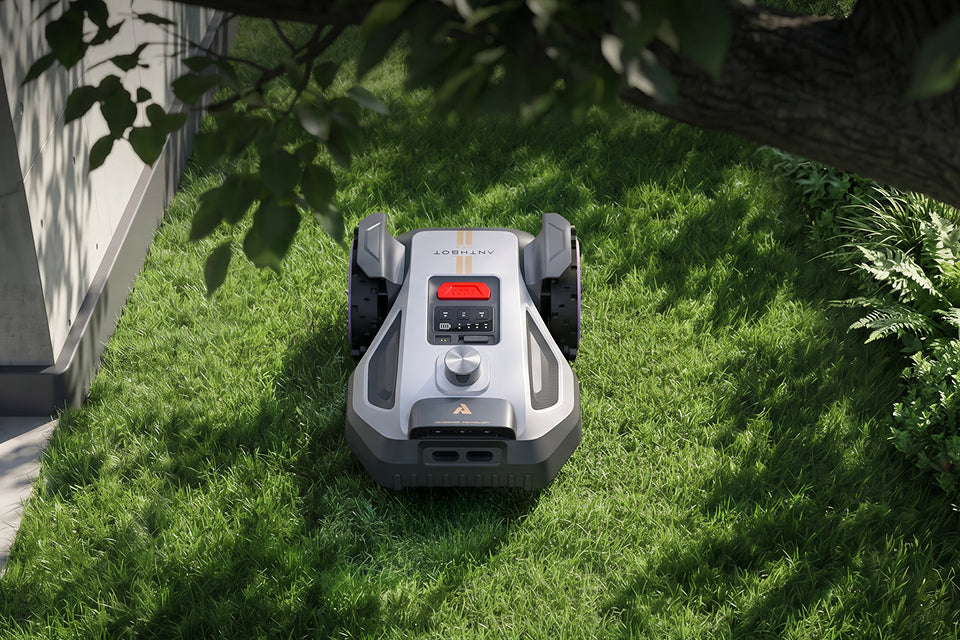
Ecco un esempio.Quando il tosaerba passa sotto un'ampia distesa di chiome di alberi, il LiDAR a 360° entra in piena attività per scansionare le forme precise dell'ambiente circostante ai fini della navigazione, mentre la visione artificiale (AI Vision) si occupa di distinguere l'erba del prato dalle radici degli alberi e, molto probabilmente, il segnale RTK traccia la posizione del tosaerba tramite GPS, in modo che sappia sempre come tornare a casa e non venga rubato.
Inoltre, il sistema di fusione HoloSense consente una vera caduta & Esperienza di taglio senza problemi. Puoi iniziare a tagliare l'erba senza bisogno di interrare alcun filo o installare un'asta. Rappresenta il meglio della tecnologia e la massima semplicità d'uso.
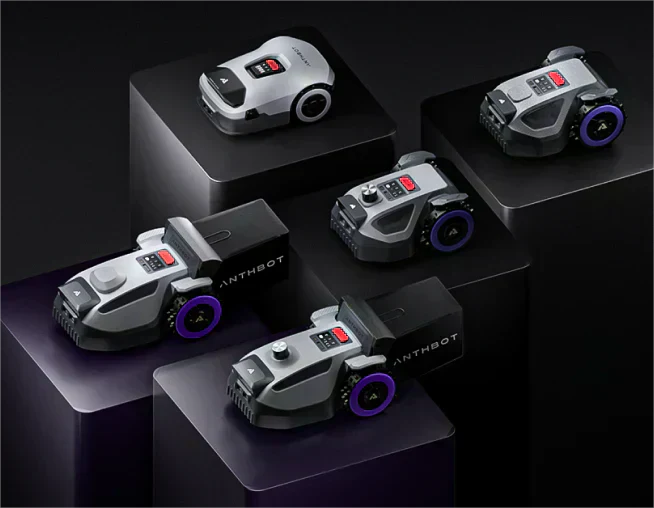
Detto questo, dimenticatevi dei termini di navigazione; scegliete semplicemente un robot tagliaerba M5 Pro/M9 Pro in base alle dimensioni del vostro prato. Non potete sbagliare! Potete trovare maggiori informazioni su M5 Pro/M9 Pro sul nostro sito web ufficiale a questo link.


Lascia un commento
Questo sito è protetto da hCaptcha e applica le Norme sulla privacy e i Termini di servizio di hCaptcha.