










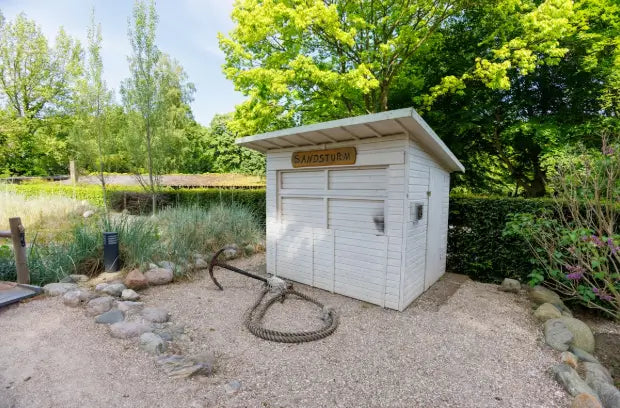
Legyünk őszinték egy pillanatra. Van egy garázsod, ami eredetileg az autónak volt szánva, de ehelyett egy ormótlan fűnyíró, egy szegélynyíró, földeszsákok és három bicikli van benne, amikről azt ígérted magadnak, hogy biciklizni fogsz velük. Ami még rosszabb, ha olyan helyen élsz, ahol nedves a telük – ami Európa nagy része –, ha a fűnyíródat nedvességnek, fagynak és páralecsapódásnak tesszük ki, az gyorsan vezet a rozsdásodáshoz, az akkumulátor meghibásodásához és a költséges javításokhoz.
A fűnyíró megfelelő tárolása nem csak a rendről szól. A kültéri erőgépek karbantartására vonatkozó iparági szabványok szerint a fűnyíró nem megfelelő tárolása több évvel lerövidítheti az élettartamát, különösen a lítium-ion akkumulátorral vagy négyütemű motorral felszerelt modellek esetében.
Ez az útmutató végigvezet a fűnyírók tárolására szolgáló praktikus ötleteken, amelyek minden helyre és költségvetéshez illeszkednek. Megtudhatja, melyik tárolási megoldás illik a kertjéhez, hogyan védheti meg befektetését, és – ha készen áll arra, hogy teljesen újragondolja a nagyméretű berendezéseket – hogyan... robotfűnyírók teljesen megszüntetheti a tárolással kapcsolatos fejfájást.
Table of Contents
Fűnyíró tárolási ötletek bármilyen helyre
Nincs két egyforma kert. Akár egy hatalmas vidéki birtokról, akár egy kompakt sorházi udvarról van szó, biztosan talál megfelelő tárolási megoldást. Az alábbiakban a leghatékonyabb lehetőségeket mutatjuk be, praktikusság és helytakarékosság szerint rangsorolva.
Alacsony profilú kerti tárolódobozok
Azoknak a háztulajdonosoknak, akiknek hagyományos kézi vagy felülős fűnyírójukat kell tárolniuk, egy alacsony profilú tárolódoboz gyakran a legegyszerűbb megoldás. Ezek a dobozok közvetlenül a földön helyezkednek el, és jellemzően időjárásálló gyantából vagy strapabíró műanyagból készülnek. Elég szélesek ahhoz, hogy a legtöbb hagyományos fűnyíró elférjen bennük, és elég magasak ahhoz, hogy a tolókar lehajtható legyen.
Az előnyök egyértelműek: az alapvető beállításokon túl nincs szükség összeszerelésre, azonnali hozzáférés, és rendezett megjelenés, amely beleolvad a teraszba vagy a kocsifelhajtóba. Az európai kerti felszerelés-kiskereskedők szerint azonban az alacsony profilú dobozok minimális biztonságot nyújtanak a lopás ellen, hacsak nem szerel fel saját lakatot. Leginkább hátsó kertekbe alkalmasak, ahol az utcáról korlátozott a kilátás.
Hagyományos és mini kerti fészerek

A fűnyírók tárolásának továbbra is az etalonja egy külön kerti fészer. A fafészerek klasszikus megjelenésűek, és testreszabhatók polcokkal olyan kiegészítők számára, mint az üzemanyagkannák, szegélynyírók és kesztyűk. A fémfészerek kiváló biztonságot és tűzállóságot biztosítanak, míg a műanyag fészerek szinte semmilyen karbantartást nem igényelnek, és nem rothadnak vagy rozsdásodnak.
A kompromisszum a hely és a költség. Egy bejárható fészer beton- vagy faalapot igényel, több négyzetméternyi kerti alapterületet foglal el, és jelentős kezdeti befektetést jelenthet. Nagyobb, fűnyíró traktorokkal felszerelt ingatlanok esetén a fészer gyakran az egyetlen praktikus választás. Kisebb kertek esetén egy mini fészer – lényegében egy tárolódoboz magasabb, keskenyebb változata – kínál kompromisszumot.
Helytakarékos fali tartók és álló állványok
Ha szűkös a hely, gondolkozzon függőlegesen. A falra szerelhető konzolok lehetővé teszik, hogy a kézi fűnyírót az oldalára vagy a hátsó kerekeire akaszthassa, így felszabadítva a padlót más célokra. A függőleges tárolóállványok még tovább mennek, lehetővé téve, hogy a fűnyírót a végére állítsa, mint egy bútordarabot.
Van itt egy fontos biztonsági megjegyzés, amelyet a GYIK részben tárgyalunk. Az elektromos és akkumulátoros fűnyírók esetében az álló tárolás tökéletesen biztonságos, de a négyütemű benzinmotorokat az olajtúlterhelés károsíthatja. A függőleges tárolás megkísérlése előtt mindig ellenőrizze a gyártó kézikönyvét.
Fedélzet alatti tárolózugok
Emelt teraszokkal vagy alacsony terasszal rendelkező háztulajdonosok számára az alatta lévő tér fűnyírótárolóként is használható. Ez kiváló módja annak, hogy a berendezéseket teljesen elrejtsük a szem elől. A szellőzés azonban fontos szempont. Bármely fűnyíró zárt, nedves helyen történő tárolása elősegíti a rozsda és a penész növekedését.
Ha ezt a lehetőséget választja, gondoskodjon arról, hogy a fűnyíróasztal alatti terület legalább két oldalról szellőző legyen. A fűnyíró felett lévő légáteresztő ponyva jobb, mint egy műanyag fólia, amely megtartja a nedvességet. A kültéri berendezésekre vonatkozó mérnöki irányelvek szerint a pangó levegő az acél fűnyíróasztalok idő előtti korróziójának egyik fő oka.
Félúton elhelyezhető fészerek és tárolósátrak
Nem minden kertben van hely egy teljes értékű fészernek, de sokban van egy használaton kívüli oldalsó átjáró vagy egy garázs oldala. A félig beépített fészerek úgy vannak kialakítva, hogy közvetlenül egy meglévő falhoz csatlakozzanak, minimalizálva a helyigényüket, miközben teljes védelmet nyújtanak az eső és a fagy ellen.
A tárolósátrak – strapabíró, fémvázas szövetből készült szerkezetek – átmenetibb megoldást jelentenek. Megfizethetőek, hordozhatóak és percek alatt felállíthatók. Hátrányuk a tartósság. A szövetborítások UV-fény alatt lebomlanak, és erős szélben elszakadhatnak. Egy-két szezonra egy tárolósátor is megfelelő. Hosszú távú védelemhez a merev szerkezet jobb.
Dedikált robotfűnyíró garázsok

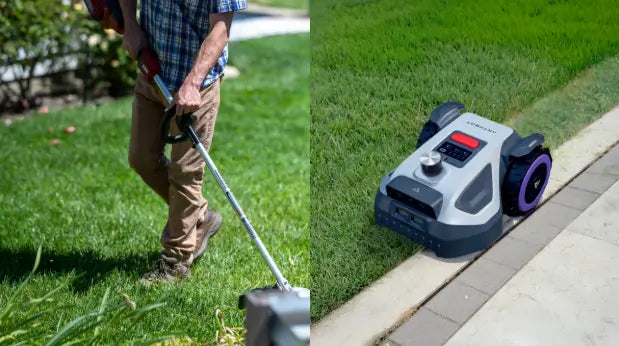
Az elmúlt öt év legjelentősebb változása a gyepápolásban a robotfűnyírók térnyerése volt. Ezeknek a kompakt, autonóm gépeknek nincs szükségük fészerre vagy dobozra. Kint élnek, a töltőállomásukon parkolva, gyakran egy kerti falhoz vagy egy bokor alá rejtve.
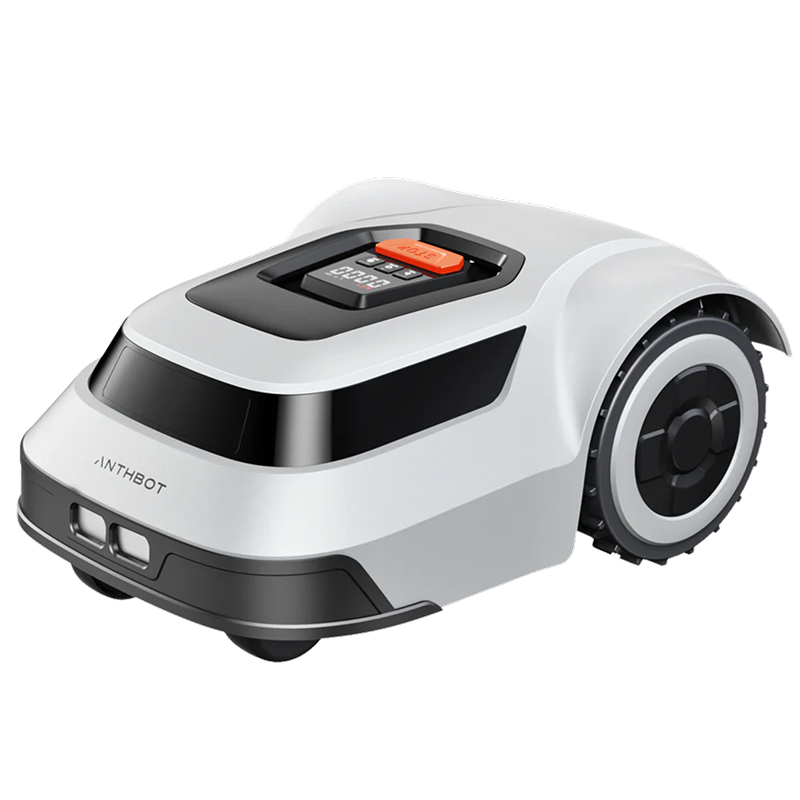
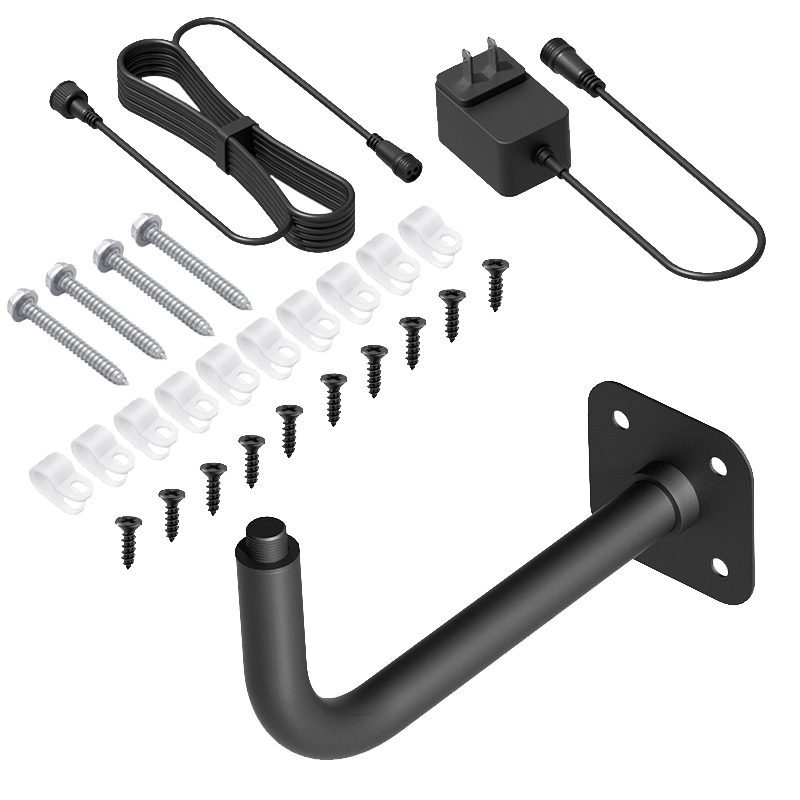
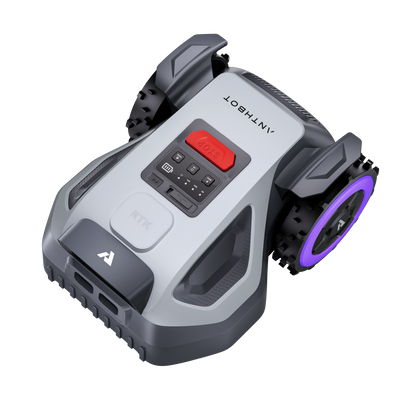
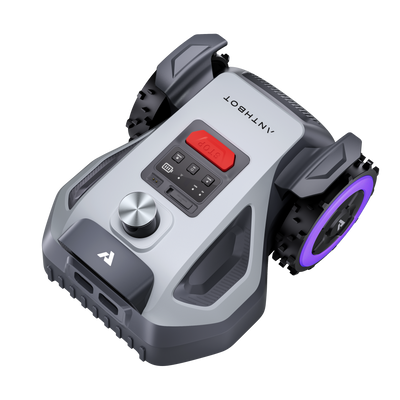
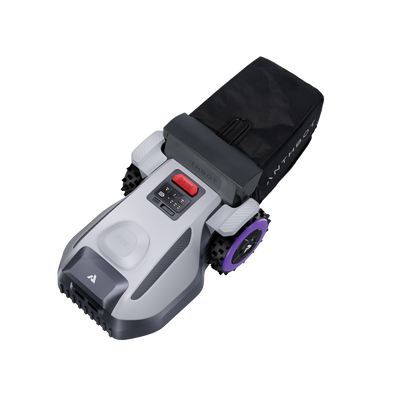
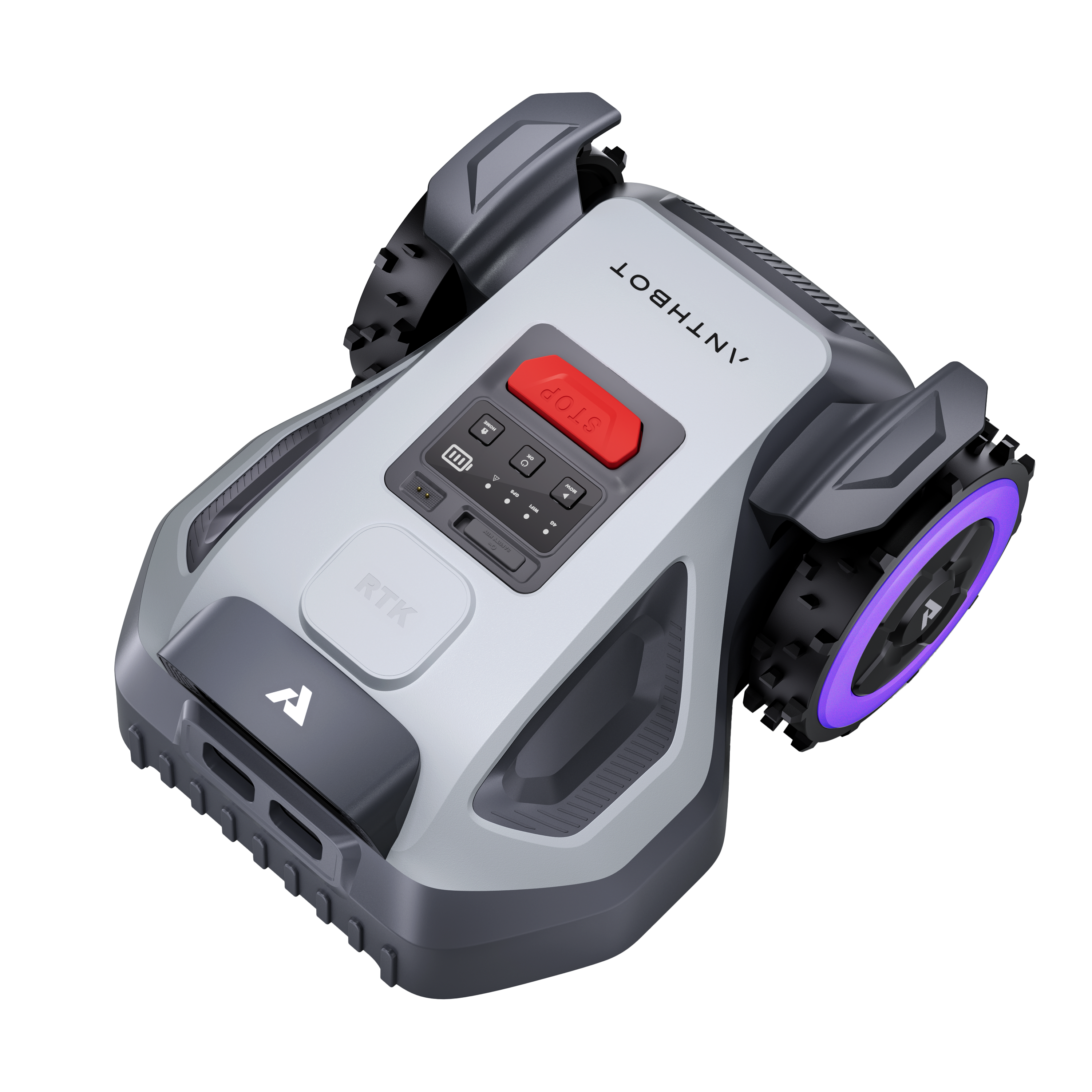
Azonban még az időjárásálló berendezések is részesülnek némi védelemben. Egy erre a célra kialakított tető megvédi az egységet a közvetlen esőtől, az UV-sugárzástól és a lehulló törmelékektől, például levelektől vagy madárürüléktől. Az ANTHBOT tulajdonosainak... M5, vagy M9, a ANTHBOT robotfűnyíró garázs ideális társ. A teraszt uraló terjedelmes tárolódobozokkal ellentétben ez a kompakt garázs bármilyen falhoz vagy kerítéshez simul. Könnyen telepíthető, nincs szükség beton alapra, így a fűnyíró és a töltőérintkezők élettartama megnő azáltal, hogy teljesen szárazon és tisztán tartja őket.
Hogyan válasszuk ki a megfelelő tárolási megoldást
Annyi lehetőség közül választhat, hogyan döntsön? A helyes választás három tényezőtől függ: a rendelkezésre álló helytől, a költségvetésétől és a fűnyíró típusától.
A kert méretének és elrendezésének felmérése

Mielőtt bármilyen tárolási megoldást vásárolna, végezzen méréseket. Járja körbe a kertjét, és jelölje be a lehetséges helyeket. Van egy üres fala, ahová egy alacsony profilú doboz elhelyezhető anélkül, hogy elzárná az utat? Van a garázs mögött egy olyan sarok, amely jelenleg nincs használatban? Robotfűnyíró esetén van egy konnektor a töltőállomás közelében?
Nagyon kis kertekben – ami gyakori a városi Európában – minden négyzetméter számít. Egy teljes méretű fészer ritkán praktikus. Egy falra szerelt állvány vagy egy erre a célra szolgáló robotgarázs szinte semmilyen alapterületet nem foglal el, így ideálisak a kert elrendezésének újragondolásához.
Költségvetés és biztonsági igények egyensúlyban tartása
A tárolási megoldások alulról €50 egy alap ponyvához, hogy több mint €1,000 egy nagyméretű faházhoz. A költségvetésnek tükröznie kell a védendő berendezés értékét.
- Alacsony költségvetésű (€20–€100): Tárolósátrak, ponyvák, fali akasztók. Régebbi vagy kisebb értékű fűnyírókhoz alkalmas.
- Középkategóriás (€100–€400): Gyanta tárolódobozok, mini fészerek, robotfűnyíró garázsok. A legtöbb hagyományos kézi fűnyíróhoz és robotfűnyíróhoz alkalmas.
- Nagy költségvetésű (€400+): Bejárható fa vagy fém tárolók. Alkalmas fűnyíró traktorok vagy több berendezés tárolására.
A biztonság fontos. A nyitott vagy könnyen hozzáférhető fűnyírók gyakori célpontjai a lopásoknak. Ha a tárolómegoldás az előkertben vagy egy sikátorban található, válasszon egy hagyományos, zárható fedéllel vagy ajtóval ellátott dobozt vagy fészert.
A modern robotfűnyírók azonban ezt a problémát digitálisan, nem pedig fizikailag oldják meg. Ha egy intelligens modellre vált, mint például a ANTHBOT M5, A biztonság közvetlenül a készülékbe van beépítve. Azonnali lopásgátló értesítéseket tartalmaz, amelyek alkalmazásriasztásokat küldenek, és GPS-követést használ, ha a fűnyíró valaha is túllépi a kijelölt biztonsági zónát (vegye figyelembe, hogy ehhez a fejlett lopásgátló követéshez külön 4G szolgáltatási előfizetés szükséges). Ez az intelligens védelem megszünteti az elvesztéstől való félelmet, lehetővé téve, hogy a fűnyírót magabiztosan tárolja egy nyitott elejű robotgarázsban nehéz lakatok nélkül.
A fűnyíró típusához illő tárolás
Nem minden fűnyírónak ugyanazok a tárolási igényei, és a modern automatizálásra való áttérés teljesen megváltoztatta a tárolási egyenletet.
- Benzinmotoros kézi fűnyírók: Szellőztetést igényel az üzemanyaggőz felhalmozódásának megakadályozása érdekében. Ne tárolja őket légmentesen záródó dobozban. A legjobb megoldás egy fészer vagy egy jól szellőző tárolósátor.
- Elektromos vezetékes fűnyírók: Teljesen szárazon kell tartani. A víz bejutása rövidzárlatot és áramütés veszélyét okozhatja. Elengedhetetlen egy teljesen zárt, időjárásálló doboz vagy fészer használata.
- Akkumulátoros kézi fűnyírók: Maga a fűnyíró elvisel némi nedvességet, de fagyos időben az akkumulátort el kell távolítani és beltérben kell tárolni.
- Robotfűnyírók: Az olyan vezeték nélküli modellekkel, mint az ANTHBOT M5, M9 vagy N8 sorozat, többé nincs szükséged nagyméretű fészerre. Ezeket a fűnyírókat úgy tervezték, hogy egész évben kültéren is használhatóak legyenek, IPX6 vízállósági besorolással. Kompakt kialakításuk nagyjából egy szabványos repülőgép-bőrönd alapterületével egyenértékű. Egy védő robotgarázsral párosítva a teljes rendszer kevesebb helyet foglal, mint egyetlen kerti szék.
Következő lépések: A gyepápolási beállítások korszerűsítése
A kerti gépek védelme nem bonyolult, de szándékosságot igényel. Egy nedves falhoz hagyott vagy nyitott fészerben álló fűnyíró gyorsabban elhasználódik, mint egy megfelelően tárolt. A vágóasztal rozsdásodása, az elektromos érintkezők korróziója és a lemerült akkumulátor mind elkerülhető problémák.
Kezd azzal, hogy felméred, mennyi van a tulajdonodban. Mérd le a rendelkezésre álló helyet. Állíts be egy költségvetést. Ezután válassz egy tárolási megoldást a fenti ötletek közül, amely megfelel a korlátaidnak.
És ha elege van abból, hogy nehézkes eszközökkel kelljen birkózni, itt az ideje, hogy teljesen átgondolja a gyepápolási rutinját. Egy kompakt, időjárásálló robotfűnyíróra való váltás egyik napról a másikra megoldhatja a tárolási problémákat, felszabadítva a garázst annak, ami igazán számít – az autónak, a kerékpároknak vagy egyszerűen csak az üres térnek.
Gyakori kérdések a fűnyíró tárolásával kapcsolatban – válaszok
Ez a rész a háztulajdonosok által a fűnyírók biztonságos és hatékony tárolásával kapcsolatban feltett leggyakoribb kérdéseket tárgyalja.
Hogyan kell télen tárolni a fűnyírót?
A téli tárolás kritikus fontosságú, különösen az európai éghajlaton, ahol a fagy és a hosszan tartó nedvesség gyakori. A felszerelés megfelelő téliesítése biztosítja, hogy gond nélkül beinduljon, amikor eljön az ideje. tavaszi kerti nagytakarítás.
- Benzinmotoros fűnyírókhoz: Ürítse le az üzemanyagtartályt, vagy adjon hozzá üzemanyag-stabilizátort. Vegye ki a gyújtógyertyát, öntsön egy teáskanál olajat a hengerbe, és lassan húzza meg az indítózsinórt, hogy a henger falát is bevonja az olaj.
- Akkumulátoros és robotfűnyírókhoz: Vegye ki a lítium-ion akkumulátort, és vigye be a házba. A fagypont alatti hőmérséklet véglegesen csökkenti az akkumulátor kapacitását. Az akkumulátort körülbelül 50%-os töltöttségi szinten tárolja a cellák élettartamának meghosszabbítása érdekében. Tisztítsa meg a töltőérintkezőket mind a fűnyírón, mind a bázisállomáson.
- Minden fűnyíróhoz: Alaposan tisztítsa meg a vágóasztalt. A megszáradt fűnyesedék nedvességet csapdába ejt a fémen, ami felgyorsítja a rozsdásodást.
Tárolható a fűnyíró kint fészer nélkül?
Igen, de fontos kikötésekkel. Egy hagyományos benzin- vagy elektromos kézi fűnyíró esetében a kültéri, fészer nélküli tárolás lehetséges, ha strapabíró, lélegző ponyvát használ. A ponyvának vízállónak, de nem légmentesnek kell lennie – a páralecsapódás az ellenség. A hagyományos acél kaszák nagyon érzékenyek a rozsdára a nagy mennyiségű harmat vagy a fűnyírás után visszamaradt nedvesség miatt. nedves fűnyírás.
A prémium robotfűnyírók azonban kültéri használatra készültek. Úgy tervezték őket, hogy a töltőállomásukon a nyílt kertben, esőben vagy napsütésben is elhelyezhetők legyenek. Egy külön garázs extra védelmet nyújt az UV-sugarak és a törmelék ellen, de maga a fűnyíró nem igényel hagyományos fészert.
Rendben van a fűnyírót állítva tárolni?
Ez egy gyakori kérdés, és a válasz teljes mértékben a fűnyíró típusától függ.
- Elektromos és akkumulátoros fűnyírók: Igen, az álló tárolás általában biztonságos. A motorban nem folyhat olaj, és az akkumulátor zárt.
- Négyütemű benzinmotoros fűnyírók: Nem, nagyon kevés kivételtől eltekintve. A négyütemű motor álló tárolása a motorolaj kifolyásához az olajteknőből és az égéstér vagy a karburátor elárasztásához vezet. Amikor tavasszal megpróbálja beindítani a fűnyírót, az erősen füstölhet, nem indul be, vagy súlyosan károsodhat a motorja.
- Robotfűnyírók: Ezeket mindig laposan, a töltőállomásukon tárolják. Álló tárolás nem lehetséges.



Hagyj megjegyzést
Ezt a webhelyet a hCaptcha rendszer védi, és a hCaptcha adatvédelmi szabályzata, valamint szolgáltatási feltételei vonatkoznak rá.