






Table of Contents
Hvorfor AI Vision ændrer robotplæneklippere
Robotplæneklippere bliver mere og mere intelligente og bevæger sig ud over traditionelle afgrænsningskabler og basale navigationssystemer. Mens teknologier som f.eks. RTK og LiDAR har forbedret præcisionen ved græsslåning, men moderne græsplæner indeholder ofte forhindringer som træer, blomsterbede, havemøbler, kæledyr og børnelegetøj, der kræver mere end præcis positionering. Det er her, AI Vision-teknologi transformerer robotplæneklipperoplevelsen.
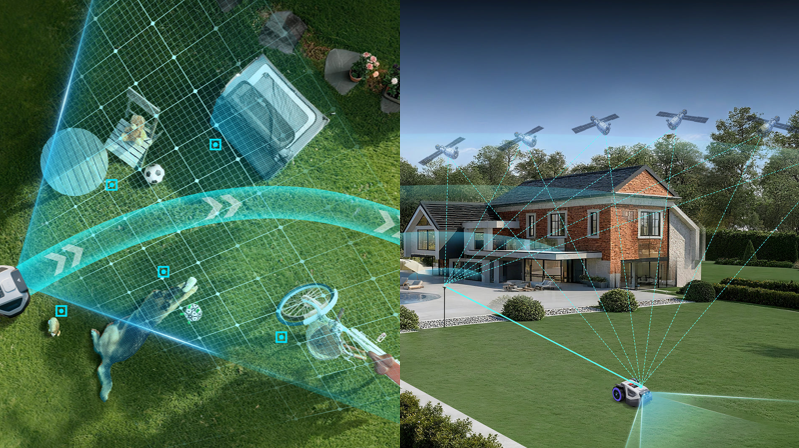
Ved at kombinere kameraer med kunstig intelligens kan AI Vision-robotplæneklippere genkende og fortolke deres omgivelser i realtid. I stedet for blot at følge en foruddefineret rute kan de identificere forhindringer, tilpasse sig skiftende miljøer og træffe smartere navigationsbeslutninger. Som et resultat heraf er AI Vision ved at blive en nøglefunktion i mange premium-robotplæneklippere, der hjælper husejere med at nyde en sikrere, mere effektiv og mere autonom plænepleje. I denne guide vil vi undersøge, hvordan AI Vision fungerer, dens fordele og begrænsninger, og hvordan den sammenlignes med andre navigationsteknologier, der anvendes i robotplæneklippere i dag.

Hvad er en AI Vision robotplæneklipper?
En AI Vision robotplæneklipper er en robotplæneklipper, der bruger kameraer og kunstig intelligens til at opfatte og forstå sine omgivelser. I modsætning til traditionelle robotplæneklippere, der udelukkende er afhængige af afgrænsningskabler eller satellitpositionering, analyserer AI Vision-systemer visuel information i realtid, hvilket gør det muligt for plæneklipperen at genkende objekter, identificere forhindringer og træffe intelligente navigationsbeslutninger under græsslåning.
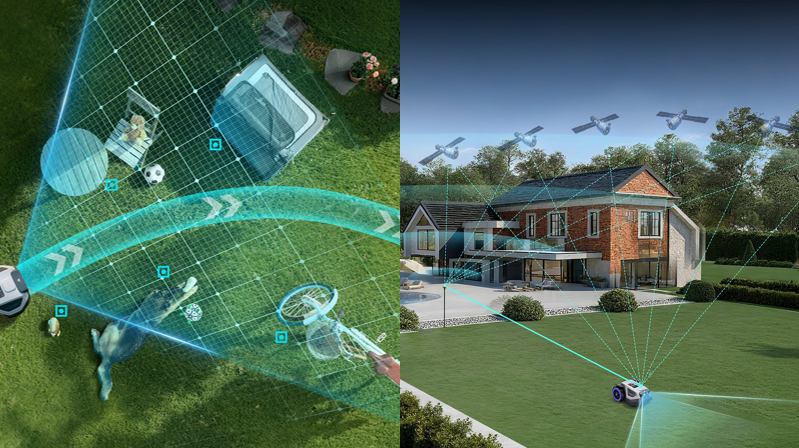
Begrebet AI Vision kombinerer to nøgleteknologier: computer vision og kunstig intelligens. Kameraer optager billeder af græsplænen og det omkringliggende miljø, mens AI-algoritmer behandler disse data for at skelne mellem forskellige objekter, såsom græs, træer, blomsterbede, kæledyr, legetøj og havemøbler. Dette gør det muligt for plæneklipperen at reagere dynamisk på skiftende forhold i stedet for blot at følge en foruddefineret rute.
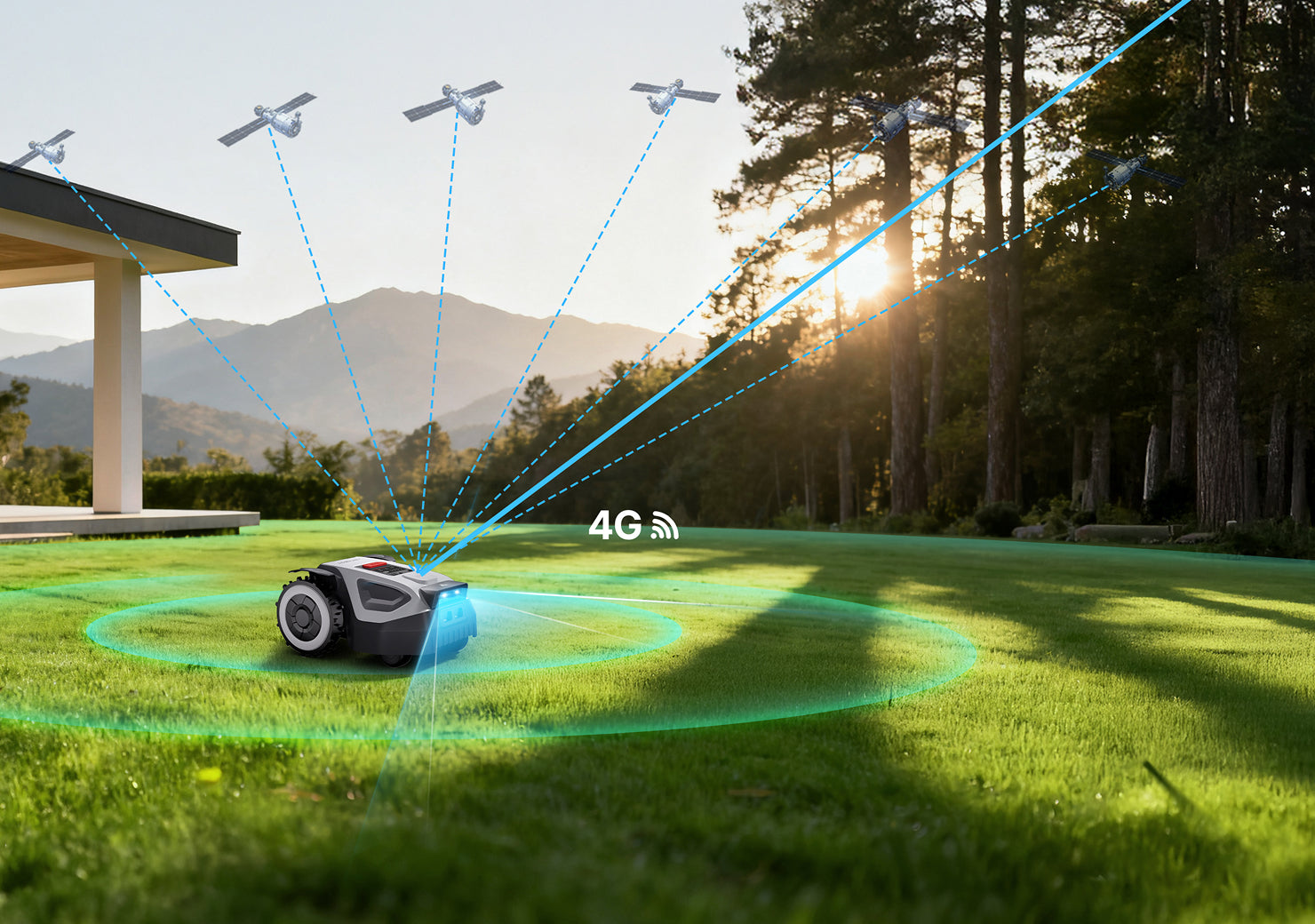
I moderne robotplæneklippere bruges AI Vision ofte til at forbedre sikkerhed og navigationsydelse. For eksempel kan det hjælpe plæneklipperen med at registrere uventede forhindringer, undgå kollisioner, navigere gennem smalle passager og fungere mere effektivt i komplekse haveanlæg. I stedet for at erstatte andre navigationsteknologier integreres AI Vision ofte med systemer som RTK eller LiDAR for at give en mere præcis, pålidelig og intelligent klippeoplevelse.

Sådan fungerer AI Vision i robotplæneklippere
Miljøopfattelse i realtid
Indbyggede kameraer optager kontinuerligt billeder af græsplænen og det omkringliggende miljø. Disse billeder giver plæneklipperen visuel information om forhindringer, terræn og klippeområder.
Intelligent objektgenkendelse
AI-drevet software analyserer de optagne billeder og identificerer objekter såsom træer, blomsterbede, havemøbler, kæledyr og mennesker. I modsætning til basale sensorer, der kun registrerer forhindringer, kan AI Vision genkende et objekt og reagere i overensstemmelse hermed.
Smart navigation og ruteplanlægning
Efter at have analyseret sine omgivelser beregner plæneklipperen en effektiv klipperute. Hvis der opstår en forhindring, kan den automatisk sænke farten, stoppe eller justere sin rute, mens den fortsætter med at klippe effektivt.

Hvad kan AI-vision egentlig gøre?
Smart forhindringsundgåelse
AI Vision kan registrere og identificere almindelige forhindringer såsom træer, blomsterbede, havemøbler, legetøj og dekorationer.I stedet for blot at støde ind i genstande og skifte retning, kan plæneklipperen undgå dem mere intelligent og gnidningsløst.
Detektion af kæledyr og mennesker
Mange AI Vision-systemer kan genkende kæledyr og mennesker i realtid. Når et kæledyr, barn eller voksen kommer ind på græsslåningsområdet, kan plæneklipperen sænke farten, stoppe eller ændre sin rute for at forbedre sikkerheden.
Grænsegenkendelse
AI Vision hjælper nogle robotplæneklippere med at skelne mellem græsarealer og områder uden græs, såsom indkørsler, stier og blomsterbede. Dette forbedrer navigationsnøjagtigheden og reducerer risikoen for at forlade græsplænen.
Adaptiv ruteplanlægning
I modsætning til traditionelle plæneklippere, der følger faste mønstre, kan AI Vision reagere på skiftende forhold. Hvis en forhindring dukker op uventet, kan plæneklipperen justere sin rute og fortsætte med at slå græs med minimal afbrydelse.
Forbedret græsplænedækning
Ved at forstå miljøet mere effektivt hjælper AI Vision med at reducere oversete pletter og unødvendige overlapninger, hvilket resulterer i en renere og mere effektiv klippeoplevelse.

Fordele ved AI Vision robotplæneklippere
Nemmere installation
Mange AI Vision robotplæneklippere understøtter ledningsfri drift, hvilket eliminerer behovet for installation af afgrænsningskabel. Dette gør opsætningen hurtigere, enklere og mere fleksibel.
Forbedret forhindringsundgåelse
AI Vision kan genkende og navigere uden om almindelige forhindringer på græsplænen mere effektivt end traditionelle bumpsensorer. Dette hjælper med at reducere kollisioner og minimere afbrydelser under klipning.
Forbedret sikkerhed
Ved at registrere kæledyr, børn og andre genstande i bevægelse hjælper AI Vision med at skabe en mere sikker græsslåningsoplevelse. Mange systemer kan automatisk sænke farten, stoppe eller ændre retning, når der registreres forhindringer.
Bedre klippeeffektivitet
Miljøbevidsthed i realtid gør det muligt for plæneklipperen at optimere sin rute og undgå unødvendige overlapninger. Dette kan forbedre dækningen, samtidig med at det reducerer klippetiden og batteriforbruget.
Smartere plænepleje
AI Vision gør det muligt for plæneklipperen at tilpasse sig skiftende forhold og navigere mere intelligent. Kombineret med app-styring og softwareopdateringer giver det en mere automatiseret og brugervenlig plæneplejeoplevelse.

AI Vision vs. andre navigationsteknologier
| Teknologi | Fordele | Begrænsninger | Bedst til |
| AI-vision | Smart forhindringsdetektion, forbedret sikkerhed, ledningsfri betjening | Ydeevnen kan påvirkes af lys- og vejrforhold | Beboelsesgræsplæner med kæledyr, forhindringer og komplekse layouts |
| RTK | Centimeterpræcisionspositionering, yderst effektiv ruteplanlægning | Kræver stabile satellitsignaler og RTK-opsætning | Store, åbne græsplæner |
| LiDAR | Præcis miljøkortlægning, fungerer godt under træer og i komplekse miljøer | Højere omkostninger og hardwarekompleksitet | Græsplæner med tætte forhindringer eller begrænset satellitsigtbarhed |
| GPS | Enkel positionering, lave omkostninger, bredt tilgængelig | Begrænset nøjagtighed, kan overse områder eller skabe overlapning | Grundlæggende navigation på simple græsplæner |
Begrænsninger i den virkelige verden ved AI-vision
Ydeevne under forhold med svagt lys
AI Vision er afhængig af kameraer til at opfange visuel information. I omgivelser med svagt lys, f.eks. om natten eller under tæt skydække, kan billedkvaliteten forringes, hvilket gør objektgenkendelse mere udfordrende.
Vejrfølsomhed
Regn, tåge og snavs på kameralinser kan påvirke udsynet og reducere effektiviteten af AI-baseret forhindringsdetektion. Af denne grund er mange robotplæneklippere designet til at sætte driften på pause under dårlige vejrforhold.
Begrænset positioneringsnøjagtighed
Selvom AI Vision er fremragende til at identificere forhindringer og grænser, er den ikke designet til at give samme niveau af positioneringsnøjagtighed som RTK. På store ejendomme leverer AI Vision alene muligvis ikke de mest effektive navigationsruter.
Udfordringer i komplekse miljøer
Tæt vegetation, højt græs eller områder med mange hindringer kan nogle gange gøre det vanskeligere for kameraer at fortolke miljøet præcist. I disse situationer kan yderligere navigationsteknologier forbedre den samlede ydeevne.
Har du virkelig brug for AI-vision?
Om du har brug for en AI Vision robotplæneklipper afhænger i høj grad af din græsplæne og livsstil. Hvis din have indeholder træer, blomsterbede, havemøbler, kæledyr eller børn, kan AI Vision gøre græsslåningen mere sikker og effektiv ved at genkende forhindringer og tilpasse ruten i realtid. Det reducerer også behovet for manuel indgriben, hvilket gør plænepleje mere bekvem for travle husejere.
AI Vision er dog muligvis ikke essentielt for alle græsplæner. Hvis du har en simpel, åben have med få forhindringer, kan en robotplæneklipper, der bruger RTK- eller GPS-navigation, muligvis allerede give pålidelig ydeevne.Når det er sagt, i takt med at robotplæneklippere bliver mere avancerede, ses AI Vision i stigende grad som en værdifuld funktion, der forbedrer sikkerhed, undgåelse af forhindringer og generel intelligens ved græsslåning – især når det kombineres med RTK- eller LiDAR-navigation.

Hvorfor de fleste premium robotplæneklippere bruger hybrid navigation
Selvom AI Vision, RTK og LiDAR hver især tilbyder unikke fordele, er ingen enkelt navigationsteknologi perfekt i alle situation.AI Vision udmærker sig ved genkendelse af forhindringer, RTK giver meget præcis positionering, og LiDAR tilbyder pålidelig miljøkortlægning i komplekse områder. Selvom hver teknologi har sine styrker, har de også begrænsninger, når de bruges alene.
Derfor kombinerer mange premium robotplæneklippere flere navigationssystemer. For eksempel kan AI Vision identificere forhindringer og kæledyr, mens RTK sikrer præcis navigation og effektiv ruteplanlægning. Ved at kombinere disse teknologier leverer hybridsystemer bedre nøjagtighed, sikrere drift og mere pålidelig ydeevne på tværs af forskellige græsplæneforhold.

De bedste AI Vision robotplæneklippere i 2026
I 2026 skifter de mest avancerede robotplæneklippere mod hybridsystemer, der kombinerer AI Vision med Full-Band RTK-positionering. Denne kombination forbedrer navigationsnøjagtigheden, forhindringsdetektionen og den samlede ydeevne på tværs af forskellige græsplænemiljøer. Blandt de førende modeller skiller ANTHBOT N8 og Genie-serien sig ud som to stærke eksempler på denne nye generation af intelligente robotter.
| Model | AI-visionssystem | Navigationsteknologi | Bedst til |
| ANTHBOB N8 | 150° HDR dobbelt AI-vision | Fuldbånds RTK + dobbelt vision | Store og åbne græsplæner |
| ANTHBOT Genie-serien | 3D AI-vision (4 kameraer) | Fuldbånds RTK + 3D-vision | Komplekse græsplæner med flere forhindringer |
ANTHBOB N8
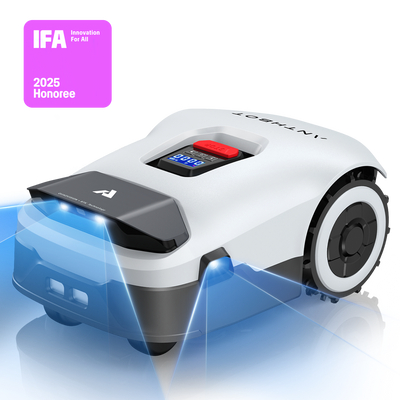
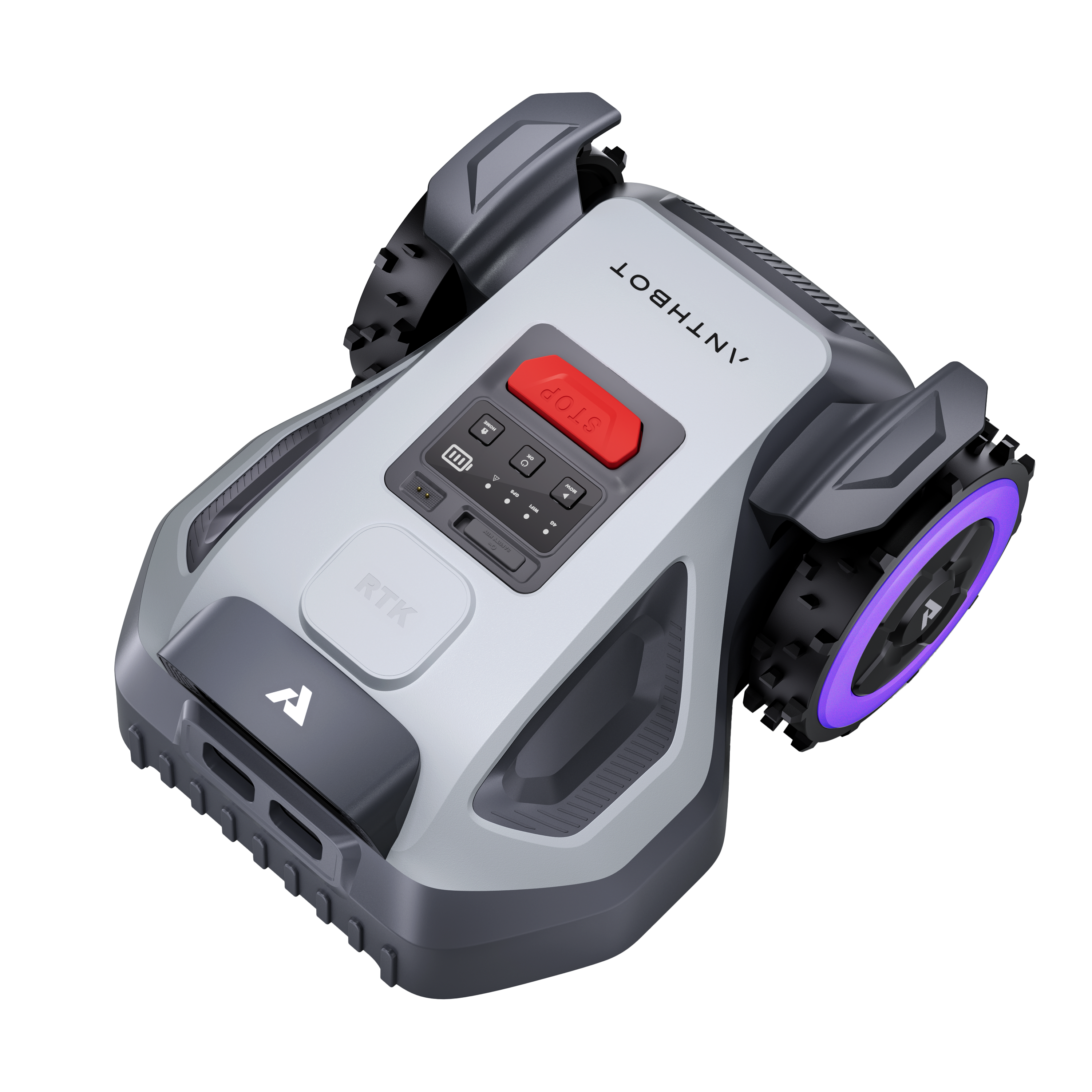
N8 kombinerer Full-Band RTK og Dual Vision-navigation med et 150° HDR AI Vision-system for at levere præcis positionering og intelligent undgåelse af forhindringer. Med en dækning på op til 1.500㎡ er den ideel til husejere med større græsplæner, der ønsker effektiv, trådløs græsslåning og pålidelig navigation.
ANTHBOT Genie-serien
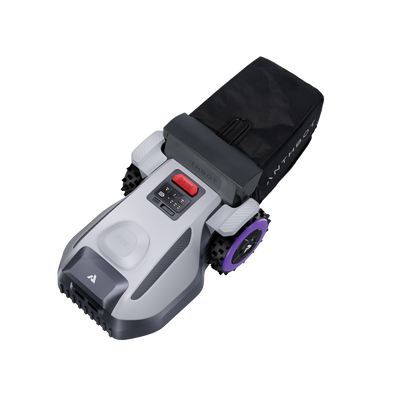
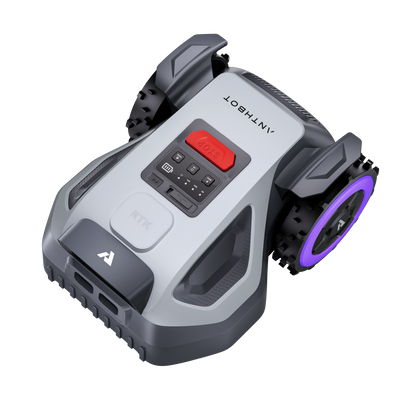
Genie-serien har Full-Band RTK og 3D AI Vision drevet af fire kameraer, der giver forbedret miljøbevidsthed og forhindringsdetektering. Dets avancerede 3D-visionssystem gør den særligt velegnet til græsplæner med træer, smalle passager og mere komplekse layouts.
Sådan vælger du den rigtige AI Vision robotplæneklipper
Valget af den rigtige AI Vision robotplæneklipper afhænger primært af din græsplænes størrelse, layoutets kompleksitet og hvor meget automatisering du forventer.Da de fleste moderne modeller kombinerer AI Vision med RTK-navigation, er den samlede systemydelse vigtigere end nogen enkelt funktion. Til store og åbne græsplæner tilbyder ANTHBOT N8 med AI Vision + Full-Band RTK effektiv dækning og stabil navigation, hvilket gør den til et stærkt valg til ensartet, ledningsfri græsslåning.
Til mere komplekse haver med træer, smalle stier eller flere forhindringer giver Genie-serien med 3D AI Vision stærkere miljøbevidsthed og mere præcis håndtering af forhindringer. Generelt forbedrer AI Vision sikkerheden og smart undgåelse af forhindringer, mens RTK sikrer positioneringsnøjagtighed. Det bedste valg er normalt et afbalanceret system, der kombinerer begge teknologier for pålidelig ydeevne i den virkelige verden.
Ofte stillede spørgsmål
Hvilken robotplæneklipper har det bedste AI Vision-system?
De mest avancerede AI Vision-systemer findes i premiummodeller, der kombinerer multikamera-vision med Full-Band RTK. ANTHBOT N8 og Genie-serien bruger HDR eller 3D AI Vision til at forbedre genkendelse af forhindringer, navigationsnøjagtighed og stabilitet ved slåning.
Er AI Vision-robotplæneklippere sikre omkring kæledyr?
AI Vision-systemer kan registrere kæledyr og justere adfærd ved at sænke farten, stoppe eller omdirigere ruten. Dette er med til at forbedre sikkerheden, selvom opsyn stadig anbefales for mindre dyr.
Er AI Vision bedre end LiDAR?
AI Vision fokuserer på objektgenkendelse såsom kæledyr og forhindringer, mens LiDAR er stærkere i miljøkortlægning og komplekse scener. Mange avancerede plæneklippere kombinerer begge dele for bedre ydeevne.
Kan AI Vision robotplæneklippere arbejde om natten?
AI Vision fungerer bedst i god belysning. Under svagt lys kan genkendelsesnøjagtigheden falde, så RTK- eller LiDAR-understøttelse bruges ofte til mere stabil drift.


Efterlad en kommentar
Denne side er beskyttet af hCaptcha, og hCaptchas Politik om beskyttelse af persondata og Servicevilkår er gældende.