











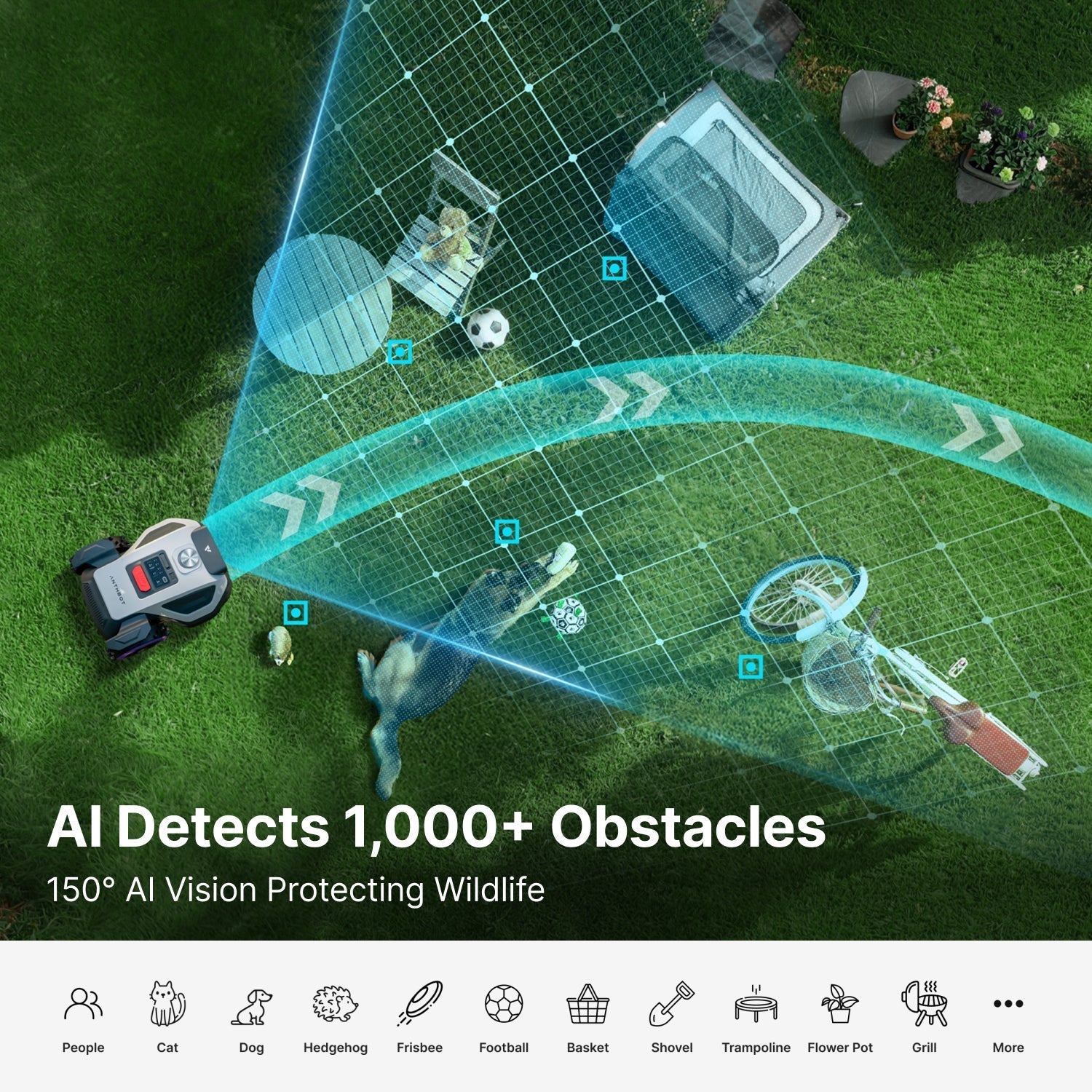
As robotic lawn mowers become more common in home gardens, many pet owners naturally ask the same question: are they safe around animals? These devices offer convenient, hands-free mowing, but pets like dogs and cats may still wander near them or stay in the yard while they operate. Most modern models include safety features such as obstacle sensors, lift detection, smart navigation, and low-profile blades to reduce risk. However, because they still run autonomously with cutting blades, it’s important for users to understand their safety limits in pet-friendly spaces.
Table of Contents
Are Robot Lawn Mowers Really Safe for Pets?
Modern robot lawn mowers are designed with multiple safety features that make them much safer for pets than traditional lawn mowers. Most robotic mowers include obstacle sensors, collision detection, lift and tilt protection, and automatic stop functions to help prevent accidents. When the mower detects an object such as a dog, cat, or toy, it can slow down, stop, or change direction automatically. Many models also use boundary wires or virtual mapping systems to keep the mower within safe mowing zones.
Another important safety advantage is the blade design. Unlike traditional mowers with large exposed blades, robot lawn mowers use smaller, low-profile blades positioned underneath the machine. Many models feature lightweight pivoting blades that retract or fold back when hitting an object, reducing the chance of serious injury. Their slower movement and controlled cutting system also make accidental contact less dangerous for pets.

How Do Robot Mowers Work Around Pets and Obstacles?
Basic Working Principle
Robot lawn mowers work by using sensors, navigation systems, and automated cutting mechanisms to mow grass without direct human control. After the mowing area is mapped through boundary wires, virtual zones, or wireless navigation, the mower moves across the lawn following planned routes while continuously scanning its surroundings. Most robotic mowers use small, low-profile blades located underneath the machine to trim grass gradually and safely.
When the mower encounters an object such as a pet, toy, tree, or garden furniture, built-in sensors help it slow down, stop, or change direction automatically. Many models also include lift sensors, tilt protection, and emergency stop systems that immediately stop blade rotation if the mower is picked up or overturned. These features help reduce the risk of injury for pets and improve overall mowing safety.
Obstacle Detection Systems
- LiDAR (Light Detection and Ranging) uses laser scanning to build a 3D map of the lawn and surrounding obstacles. It enables real-time detection and accurate obstacle avoidance, even in complex areas such as narrow paths, trees, or low-light conditions.
- RTK (Real-Time Kinematic) improves navigation accuracy using satellite positioning, allowing the mower to follow precise mowing routes and stay within virtual boundaries. It is especially useful for large or complex lawns, though signal strength may weaken under dense trees or near buildings.
- AI Vision system suse cameras and artificial intelligence to recognize and avoid pets, toys, and other objects. When combined with sensors like LiDAR, they enhance real-time decision-making and improve overall pet safety during operation.

What Happens When a Robot Mower Detects a Pet?
Immediate Stop or Slow-Down Response
Once a pet enters the detection range, the robot mower will immediately slow down or stop completely. This is the first and most important safety response in most robot mower safety systems. Advanced models can even detect movement patterns and adjust their trajectory before any physical contact occurs, reducing the risk of accidents in the lawn area.
Automatic Direction Change for Obstacle Avoidance
If the pet remains in the mowing zone, the robot mower will automatically change direction and reroute its path. Using smart navigation and obstacle avoidance algorithms, it calculates a new safe route and continues mowing only when the area is clear. This ensures continuous operation without compromising pet safety.
Bumper Contact Safety Mechanism
In rare situations where sensors do not detect the pet early enough, the front bumper system acts as a secondary safety layer. If light contact occurs, the mower will instantly stop its blades, reverse slightly, and redirect its movement. This redundancy is a key part of reliable pet-safe lawn mower design.
Instant Blade Shutdown System
Regardless of how the pet is detected, the blade safety system is always prioritized. If the mower senses obstruction, lifting, tilting, or unexpected impact, the cutting blades stop within seconds. This rapid blade shutdown is critical for minimizing any potential injury to pets or children.

Can Robot Mowers Still Be Dangerous for Pets?
Although robot mowers are generally designed with multiple layers of pet safety systems and obstacle avoidance technology, they are not completely risk-free. In real-world conditions, certain edge cases and environmental factors can still create potential hazards for pets. Understanding these realistic risk scenarios helps homeowners use robot mowers more safely and responsibly.
Very Small Pets (Hamsters, Rabbits Outdoors, and Similar Animals)
Small animals such as hamsters, guinea pigs, or outdoor rabbits present the highest safety challenge. While robot mowers are equipped with sensors to detect obstacles, very small or low-profile animals may not always be recognized in time—especially if they remain still or blend into tall grass. In rare cases, the mower may not register them as obstacles until it is too close, increasing the risk of accidental contact.
Sleeping Pets Under the Mower Path
A robot mower is more likely to detect moving objects than stationary ones. If a pet is sleeping in long grass, under bushes, or in shaded areas, it may not trigger immediate detection. Some systems rely on motion, heat, or visual contrast, so a completely still pet can be harder to identify. This is why experts often recommend supervising pets or keeping them indoors during mowing sessions.
Broken Sensor or Dirty Camera Conditions
Sensor reliability is critical for robot mower safety. Dust, mud, grass clippings, or weather conditions can partially block sensors or camera lenses, reducing detection accuracy. In rare cases, technical malfunctions or calibration issues may also affect obstacle recognition. Regular cleaning and maintenance are essential to ensure the pet detection system works as intended.
Night Operation and Reduced Visibility
Running a robot mower at night can increase safety risks. Low light conditions reduce the effectiveness of camera-based systems and make it harder for vision AI to distinguish small animals from the environment. In addition, many nocturnal animals are more active during nighttime, increasing the chance of unexpected encounters. For this reason, daytime operation is generally recommended for improved robot mower safety around pets and wildlife.

What Makes a Robot Mower Safe for Pets?
LiDAR Obstacle Detection
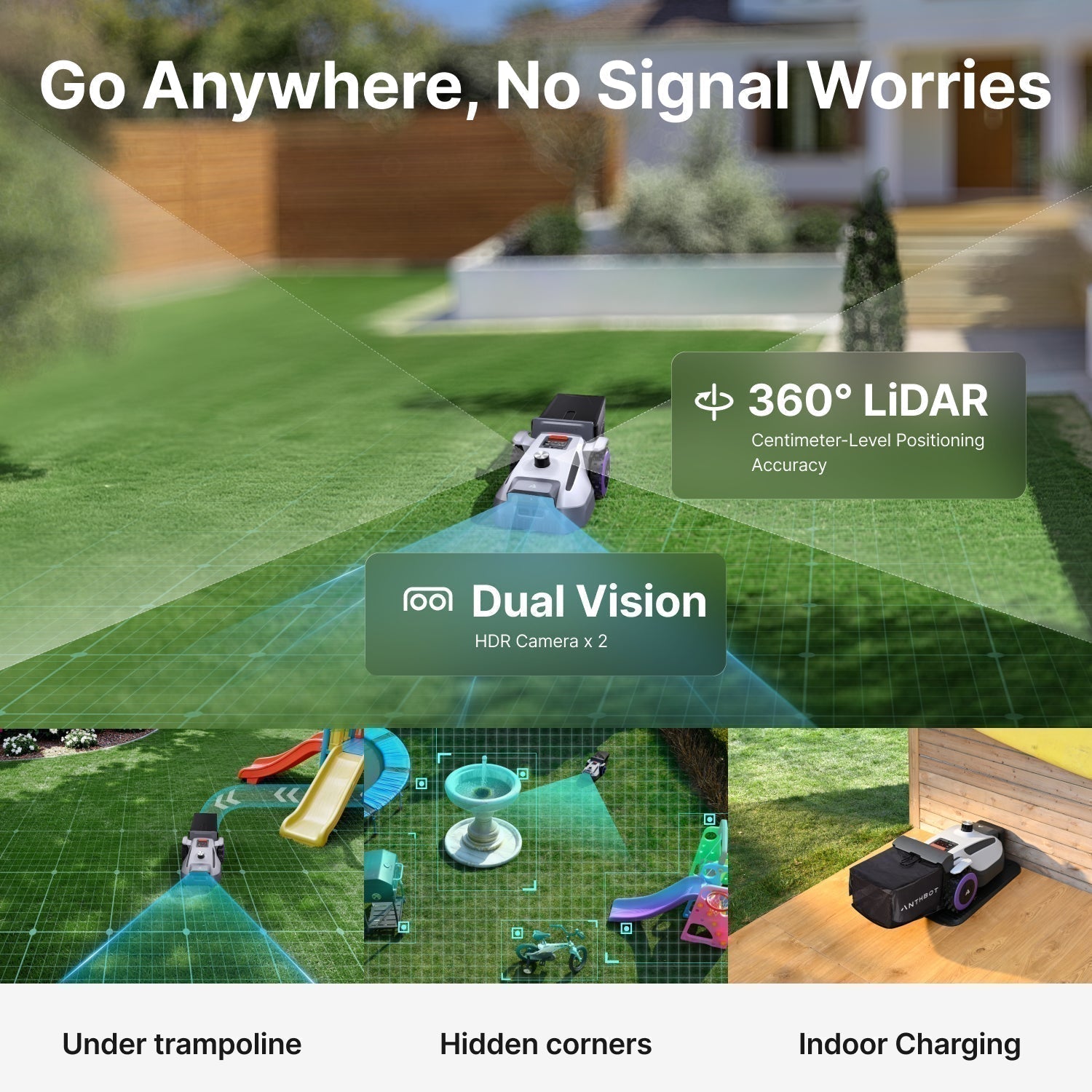
LiDAR technology allows a robot mower to scan its surroundings and detect obstacles before contact occurs. This helps the mower avoid pets, toys, and unexpected objects more accurately, especially in complex yards or shaded areas.
AI Vision Recognition
AI-powered cameras can recognize animals such as dogs and cats in real time. Instead of simply reacting after contact, the mower can identify obstacles early and automatically adjust its route for safer operation.
Lift and Tilt Sensors
If the mower is lifted, tilted, or flipped over, the blades stop immediately. This safety feature helps protect curious pets or children from accidental contact with moving blades.
Automatic Blade Stop System
When the mower detects obstruction, impact, or abnormal movement, the cutting blades automatically stop within seconds. This rapid response significantly reduces the risk of injury.
Low Noise Operation (Ideally Below 60 dB)
Quiet operation is another important safety advantage. Robot mowers with noise levels below 60 dB are less stressful for pets and less likely to scare animals during operation.
Geofencing and Virtual Boundary Systems (RTK Technology)
RTK and virtual boundary technology allow users to create no-go zones around pet areas, flower beds, or wildlife spaces through a mobile app. This prevents the mower from entering sensitive areas and improves overall mowing safety.

How to Keep Your Pets Safe When Using a Robot Mower
Keep Pets Away During Active Mowing
The safest approach is to keep pets indoors or away from the lawn while the robot mower is running. Even advanced obstacle detection systems may struggle with very small animals or sudden movements in tall grass. Keeping pets out of the mowing area eliminates unnecessary risks and helps the mower operate more efficiently and safely.
Schedule Mowing at Low-Risk Times
Smart scheduling is one of the most effective ways to improve robot mower safety around pets. Set mowing times when pets are indoors, sleeping, eating, or on walks. Daytime operation is generally safer because visibility is better for both the mower’s sensors and the owner. Avoid nighttime mowing whenever possible, especially in gardens where pets or wildlife may be active.
Choose a Robot Mower with Strong Safety Features
Not all robot mowers offer the same level of protection. For homes with pets, choose a model equipped with advanced safety technologies such as LiDAR obstacle detection, AI vision recognition, lift and tilt sensors, automatic blade stop systems, and RTK virtual boundaries. These features provide multiple layers of protection and improve the mower’s ability to detect and avoid pets in real time.
Final Verdict: Are Robot Mowers Safe for Pets?
Robot mowers are generally safe for pets when used correctly, making them a practical option for pet-friendly lawn care. Most modern models include key safety features such as obstacle detection sensors, automatic blade stop systems, enclosed cutting decks, and smart navigation, which help reduce the risk of injury compared to traditional lawn mowers in residential settings.
However, they are not completely risk-free. Because they operate autonomously with sharp blades, pets should never be left unattended around an active mower, especially smaller or sleeping animals that may not react in time. To ensure safety, homeowners should mow while pets are indoors, avoid nighttime use, maintain the device regularly, and choose models with advanced AI obstacle avoidance. With responsible use and the right equipment—whether a wireless, no-perimeter-wire, or self-charging robotic mower—robot mowers can offer an efficient, convenient, and pet-friendly lawn care solution.
Choosing the Right Robot Mower For Your Pets
Key Safety Features for Pet-Friendly Robot Mowers
When choosing a robot mower for homes with pets, safety is the top priority. Modern models are safer thanks to enclosed blades, lift-to-stop sensors, and smart navigation systems, but performance still varies in real environments where pets move unpredictably. Key features to consider include LiDAR obstacle detection, AI vision, low noise, and adaptive path planning. These technologies help reduce collision risks and improve safe operation around pets.
Why the M5 LiDAR Is Best for Pet Safety
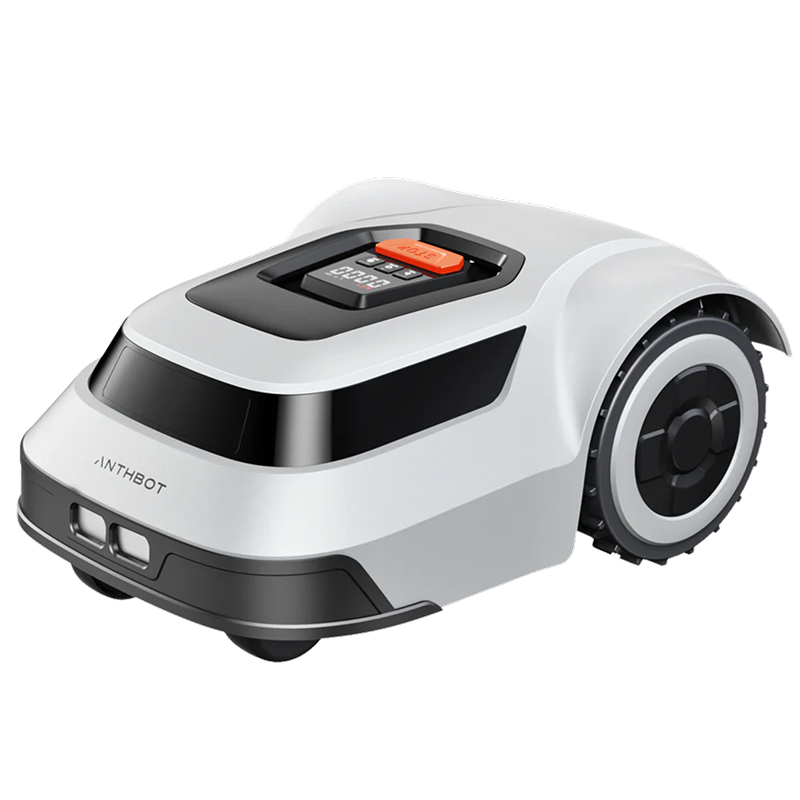
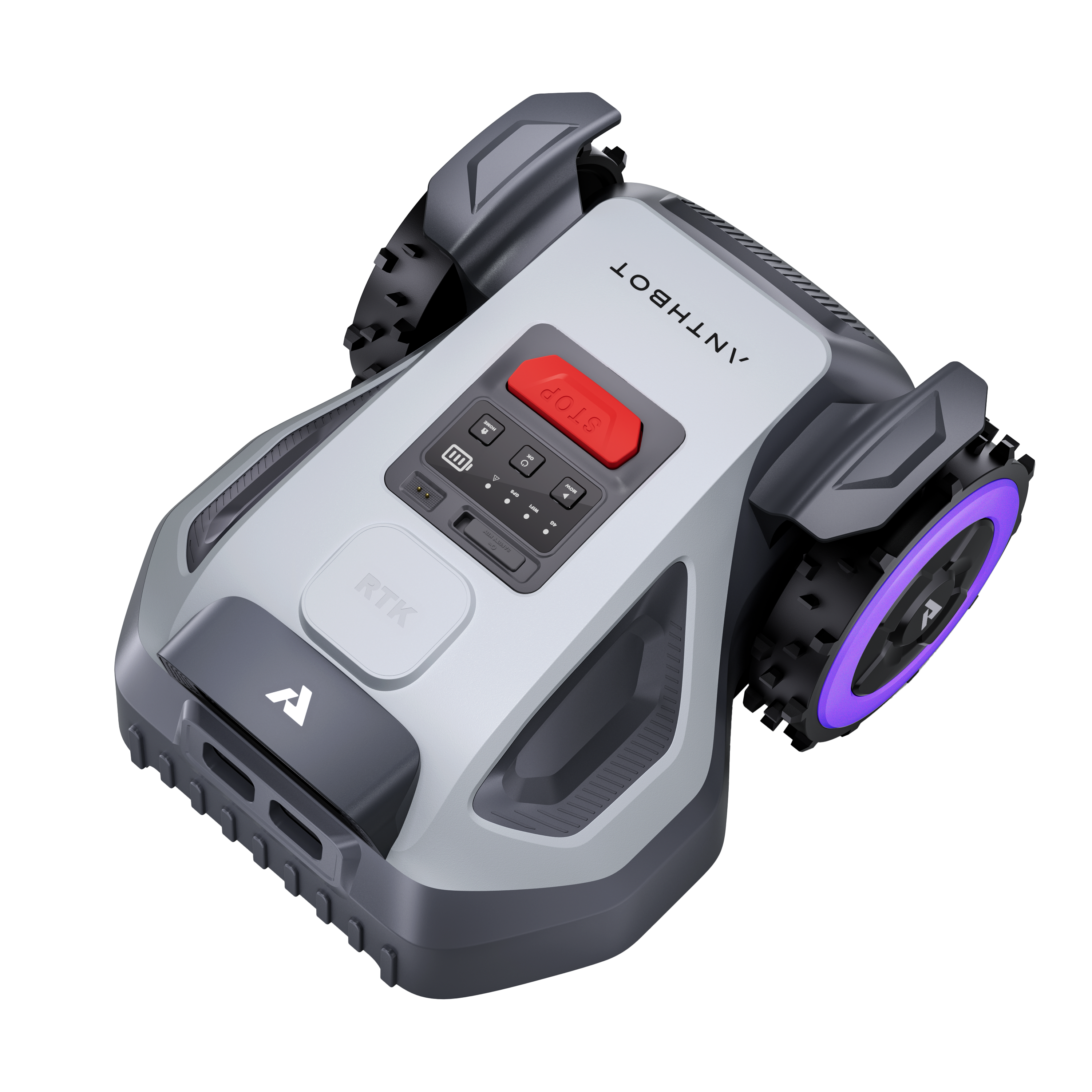
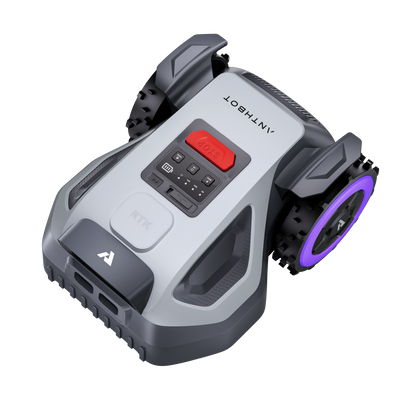
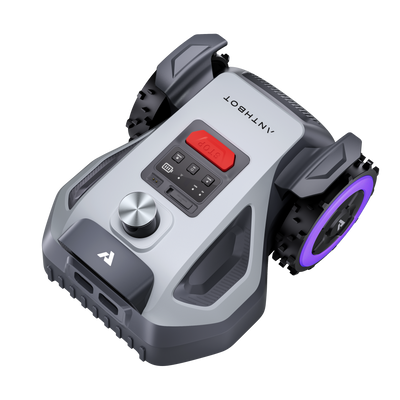
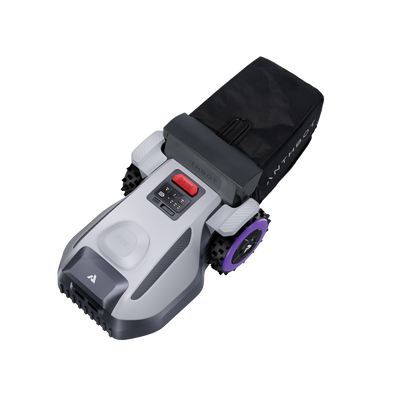
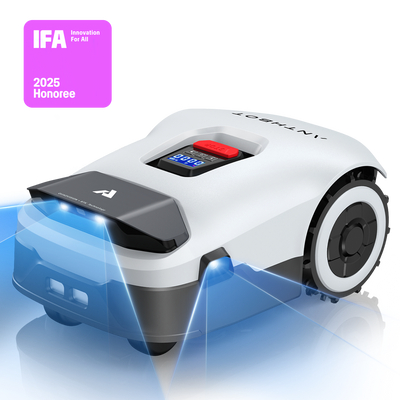
The ANTHBOT M5 LiDAR Robot Lawn Mower is highly recommended for pet-friendly homes. It combines 360° LiDAR with AI vision sensors to accurately detect and avoid pets such as dogs and cats. With centimeter-level positioning and smart path planning, it moves smoothly while avoiding sudden actions that could disturb animals. Its enclosed blade system and automatic emergency stop further enhance safety by stopping immediately when unusual contact or lifting is detected.

Advanced Safety & Smart Features of the M5 LiDAR
The ANTHBOT M5 LiDAR Robot Lawn Mower features a wire-free setup that eliminates boundary cables and reduces pet interference risks. Its low-noise design makes it suitable for sensitive animals, while app scheduling allows mowing only when pets are indoors. Overall, the M5 LiDAR offers a balanced mix of automation, precision, and pet safety for modern homes.
Frequently Asked Questions
1. Can a robot mower hurt my dog or cat?
Robot mowers are generally safe for dogs and cats. They use obstacle sensors, bump detection, and automatic blade-stop systems. When a pet is detected, the mower usually stops or changes direction to avoid injury. However, very rare accidents may still happen if a pet suddenly enters the mower’s path, so supervision is recommended at the beginning.
2. Are robot mowers safe for small pets like rabbits?
Small pets such as rabbits or hedgehogs need extra caution. Although robot mowers have AI vision and sensors, very small or low-profile animals may sometimes be harder to detect. It’s best to avoid mowing when small pets are active in the yard.
3. Do robot mowers stop automatically when they hit something?
Yes. Most robot mowers stop immediately when they touch an object. Sensors detect the collision, the blades shut off within seconds, and the mower either reverses or reroutes. Lift and tilt sensors also stop the blades instantly if the mower is picked up.
4. Which technology is safest for pets: LiDAR, RTK or camera?
Each navigation technology has different strengths when it comes to pet safety:
- LiDAR: Offers real-time 3D scanning and is highly effective at detecting moving objects and obstacles, making it very reliable for complex gardens.
- Camera-based systems (AI vision): Can recognize animals and differentiate between objects, but performance depends on lighting and camera clarity.
- RTK GPS: Excellent for accurate navigation and boundary control but relies less on real-time obstacle recognition compared to LiDAR or camera systems.

Leave a comment
This site is protected by hCaptcha and the hCaptcha Privacy Policy and Terms of Service apply.