


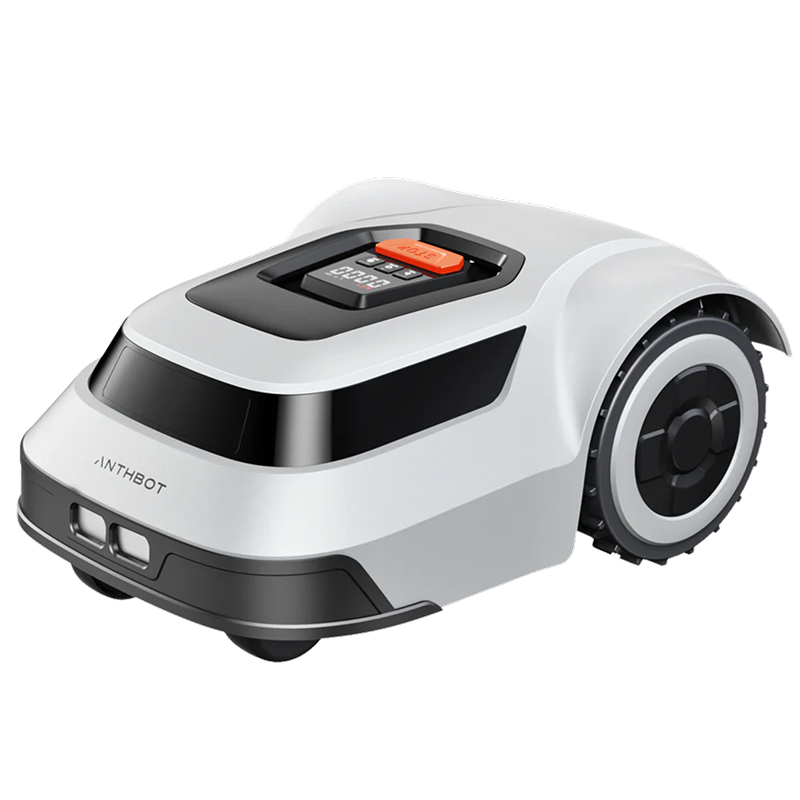
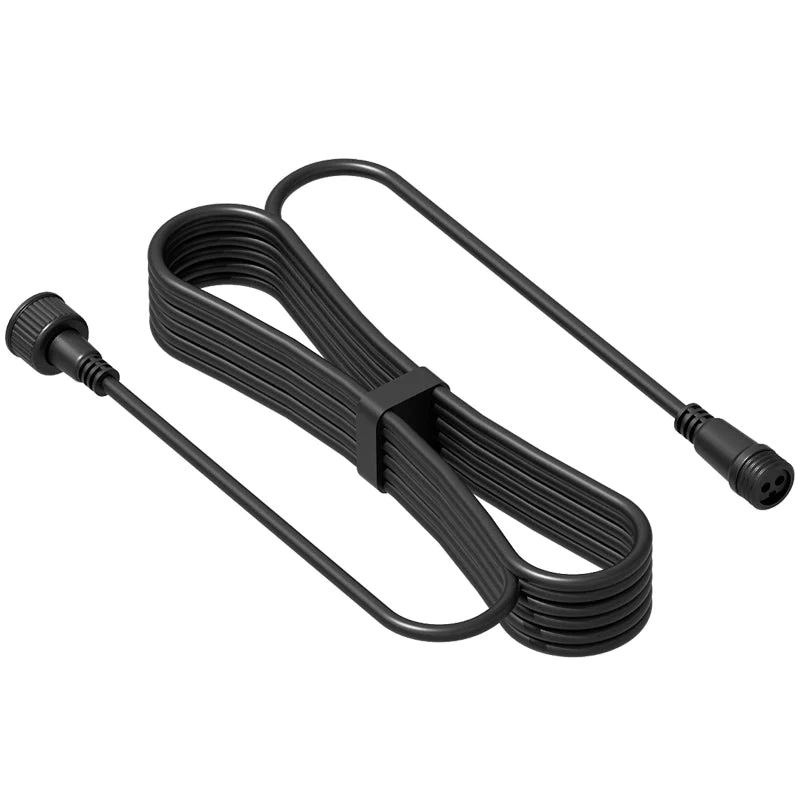
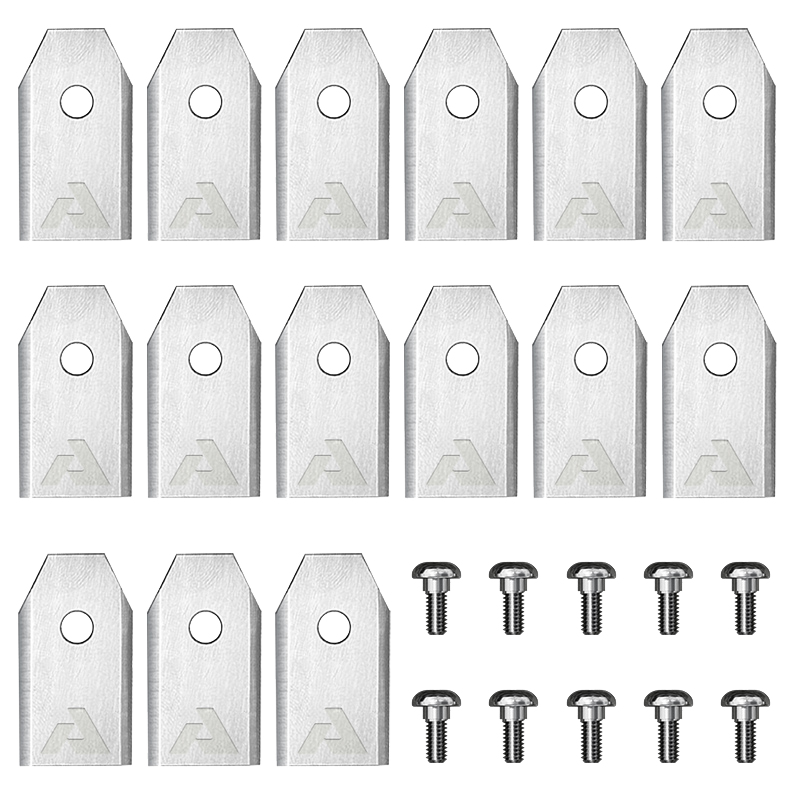

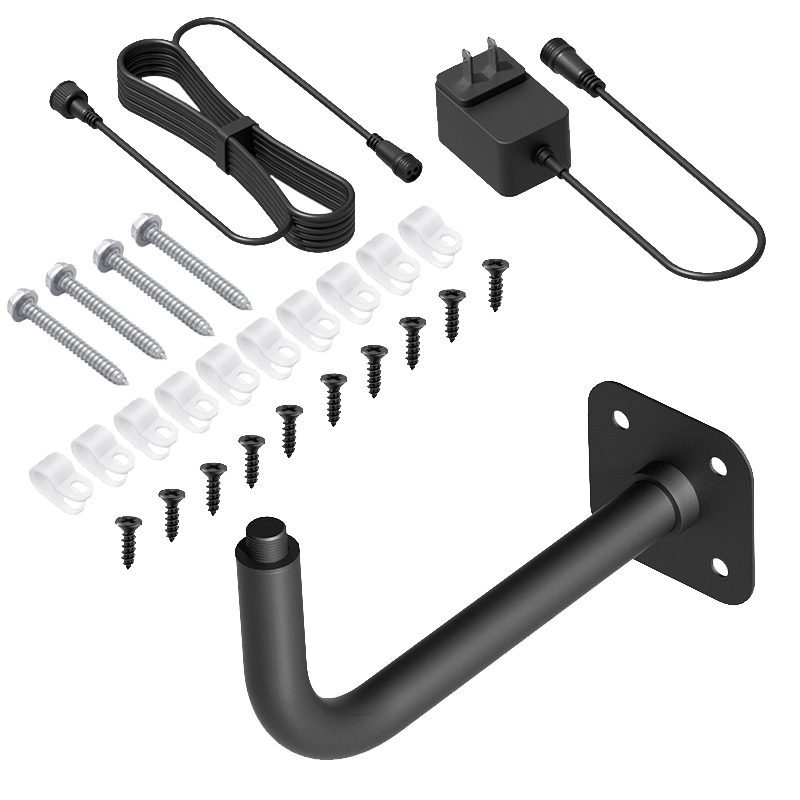







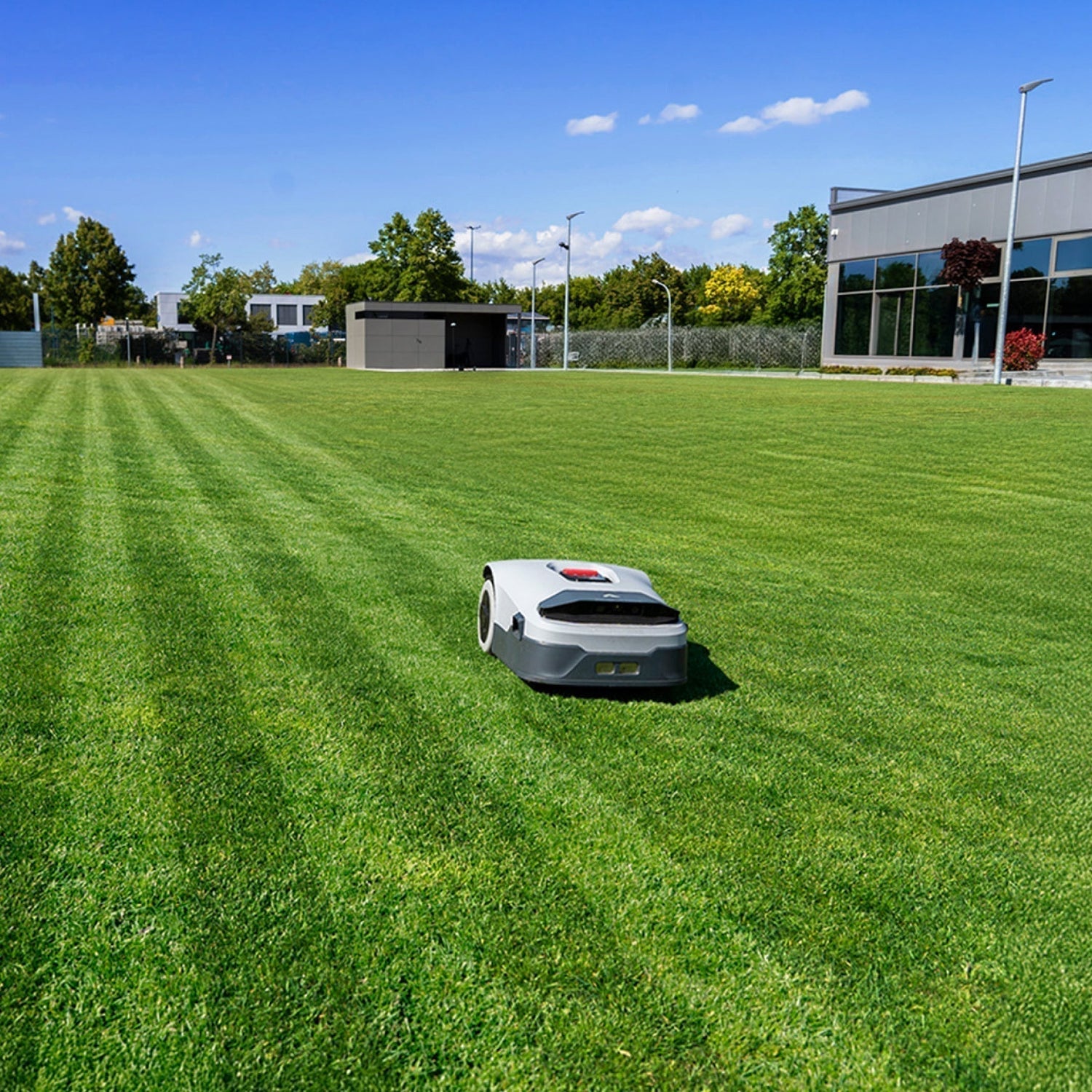
Robot lawn mowers have become a practical way to keep lawns neatly maintained with less effort, but choosing the right model makes a noticeable difference in performance. Every garden is different—some are simple and flat, while others include slopes, trees, or narrow passages. A mower that suits your lawn size and layout will run more efficiently, move more smoothly, and deliver a more consistent hands-free mowing experience. With options like RTK, LiDAR, and AI obstacle avoidance now widely available, taking time to understand your garden before buying can help you save time, reduce upkeep, and keep your lawn looking well maintained.

Table of Contents
Assess Your Lawn Before Buying a Robot Mower
Measure Your Lawn Size Correctly
Start by measuring the actual grass area instead of your total property size. Driveways, patios, and flower beds should not be included. Most robot mowers are designed for specific coverage ranges, so choosing a model that matches your lawn size can improve mowing efficiency and battery performance while avoiding unnecessary strain on the machine.
Evaluate Terrain, Slopes, and Uneven Ground
The condition of your lawn surface also plays an important role. Flat lawns are easier for robot mowers to handle, while uneven ground, bumps, or soft soil may affect traction and navigation. If your garden has rough terrain or frequent elevation changes, it’s better to choose a mower with stronger wheels, better grip, and stable navigation technology.
What Slope Can Robot Mowers Handle?
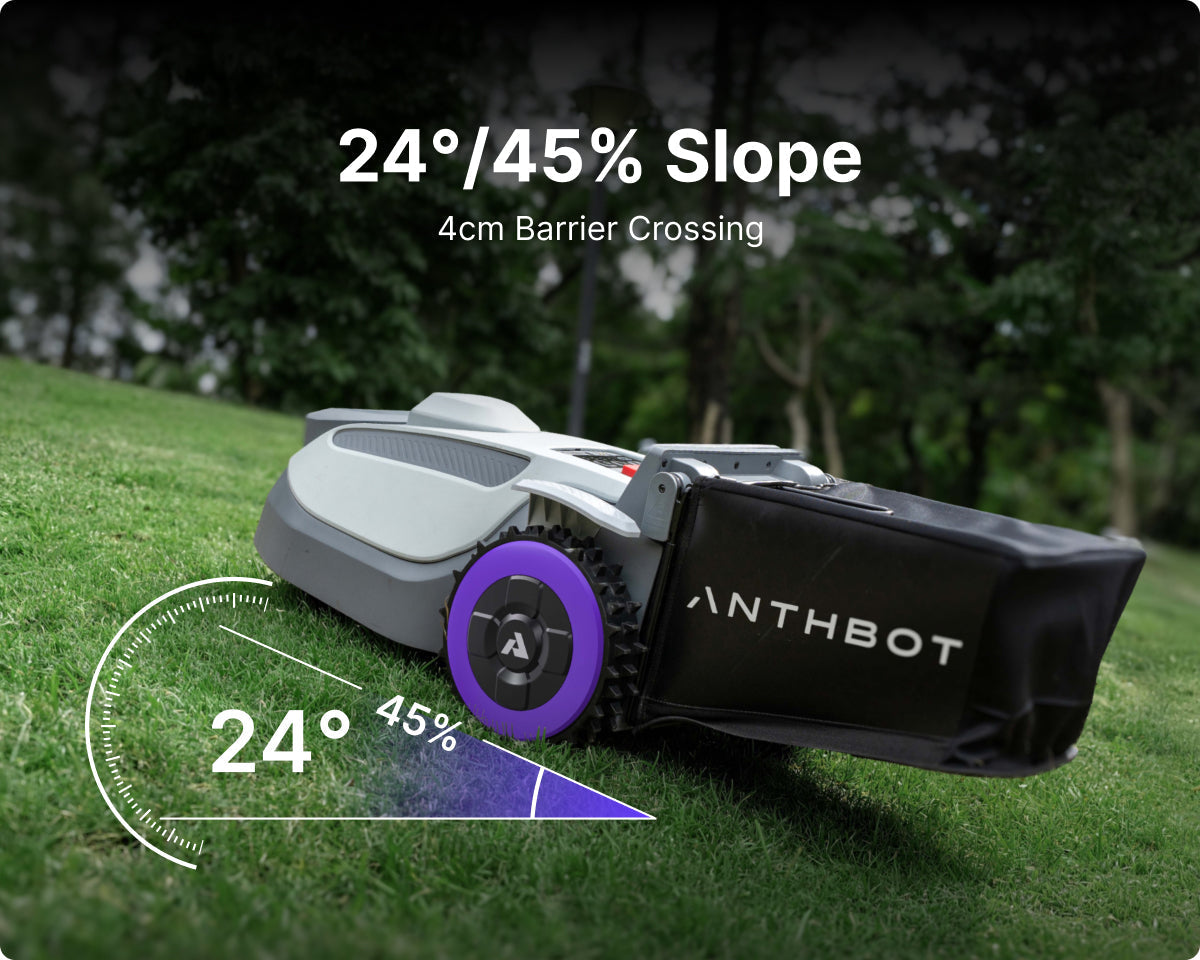
Different robot mowers are designed for different slope capabilities. Entry-level models are usually suitable for mild slopes 15°-25°, while premium models can handle much steeper terrain with improved traction systems. Before buying, check the steepest area of your lawn to ensure the mower can operate safely and efficiently without slipping.

Check Your Garden Layout and Obstacles
Your lawn layout can greatly influence how efficiently a robot mower navigates. Narrow pathways, trees, flower beds, outdoor furniture, and multiple mowing zones may require more advanced navigation and obstacle avoidance systems. Modern robot mowers with RTK, LiDAR, or AI vision can better handle complex garden layouts and improve overall mowing accuracy.
Choose the Right Navigation Technology
Boundary Wire vs Wire-Free Robot Mowers
|
Feature |
Boundary Wire Robot Mowers |
Wire-Free Robot Mowers |
|
Setup Method |
Requires physical boundary wire |
Uses virtual mapping and app setup |
|
Installation |
More time-consuming |
Faster and easier |
|
Flexibility |
Difficult to modify boundaries |
Easy to adjust mowing zones |
|
Best For |
Simple and smaller lawns |
Complex or modern smart lawns |
|
Maintenance |
Possible wire repairs needed |
Lower long-term maintenance |
Boundary wire robot mowers use physical cables installed around the lawn to define mowing areas. They are stable and reliable for simple gardens, but installation can take more effort. Wire-free robot mowers are becoming increasingly popular in 2026 because they offer faster setup, more flexible mapping, and smarter navigation without the need for buried wires.

RTK vs LiDAR vs Vision Navigation
|
Feature |
RTK Navigation |
LiDAR Navigation |
Vision Navigation |
|
Navigation Method |
Satellite positioning |
Laser scanning and mapping |
AI camera recognition |
|
Best For |
Open large lawns |
Complex or shaded gardens |
Obstacle-rich environments |
|
Main Advantage |
High positioning accuracy |
Strong mapping ability |
Better obstacle detection |
|
Signal Dependence |
Requires stable satellite signal |
Not dependent on GPS |
Affected by lighting conditions |
|
Typical Usage |
Efficient route planning |
Precise navigation in complex areas |
Dynamic obstacle avoidance |
RTK, LiDAR, and vision navigation are the most common wire-free technologies used in robot lawn mowers in 2026. RTK is ideal for large open lawns that require precise positioning, while LiDAR performs better in shaded or complex environments where GPS signals may be unstable. Vision navigation uses AI cameras to recognize grass boundaries and obstacles, making it suitable for yards with furniture, pets, or multiple objects. Many advanced robot mowers now combine these technologies to improve overall navigation accuracy and mowing efficiency.

Battery Capacity and Runtime Performance
How Long Does a Robot Mower Run?
Robot lawn mower runtime varies depending on battery size, lawn conditions, and mowing technology. Most models can operate between 60 and 180 minutes per charge, while premium models designed for larger lawns may run even longer. If your garden has complex layouts or steep slopes, battery consumption may increase faster during operation.
Why Battery Efficiency Matters More Than Battery Size
A larger battery does not always guarantee better mowing performance. Robot mowers with smart navigation and efficient route planning can cover more lawn while using less energy. Compared with simply increasing battery capacity, efficient power management helps reduce repeated mowing paths, lowers charging frequency, and improves overall mowing efficiency.
Understand the Cutting System
The cutting system is one of the most important factors that affects mowing quality and lawn health. Most robot lawn mowers use small pivoting blades designed to trim grass continuously and evenly, helping create a cleaner and healthier lawn over time. When choosing a robot mower in 2026, it’s important to consider factors such as cutting width, adjustable cutting height, and blade durability. Wider cutting systems can improve efficiency on large lawns, while adjustable cutting height allows the mower to adapt to different grass types and seasonal growth conditions. A well-designed cutting system not only improves mowing performance but also helps reduce maintenance and keeps your lawn looking consistently neat.

Smart Features That Actually Matter
App Control and Remote Management
App control allows you to manage your robot lawn mower directly from your smartphone. Most modern models let users schedule mowing times, adjust cutting settings, monitor battery status, and control the mower remotely. This makes lawn maintenance more convenient and helps users manage mowing tasks even when away from home.

Multi-Zone Mapping and No-Go Zones
Multi-zone mapping helps robot mowers handle lawns with multiple sections more efficiently, while no-go zones prevent the mower from entering restricted areas such as flower beds, pools, or garden decorations. These features are especially useful for complex garden layouts and can significantly improve mowing accuracy and navigation efficiency.
Obstacle Avoidance and Pet Safety
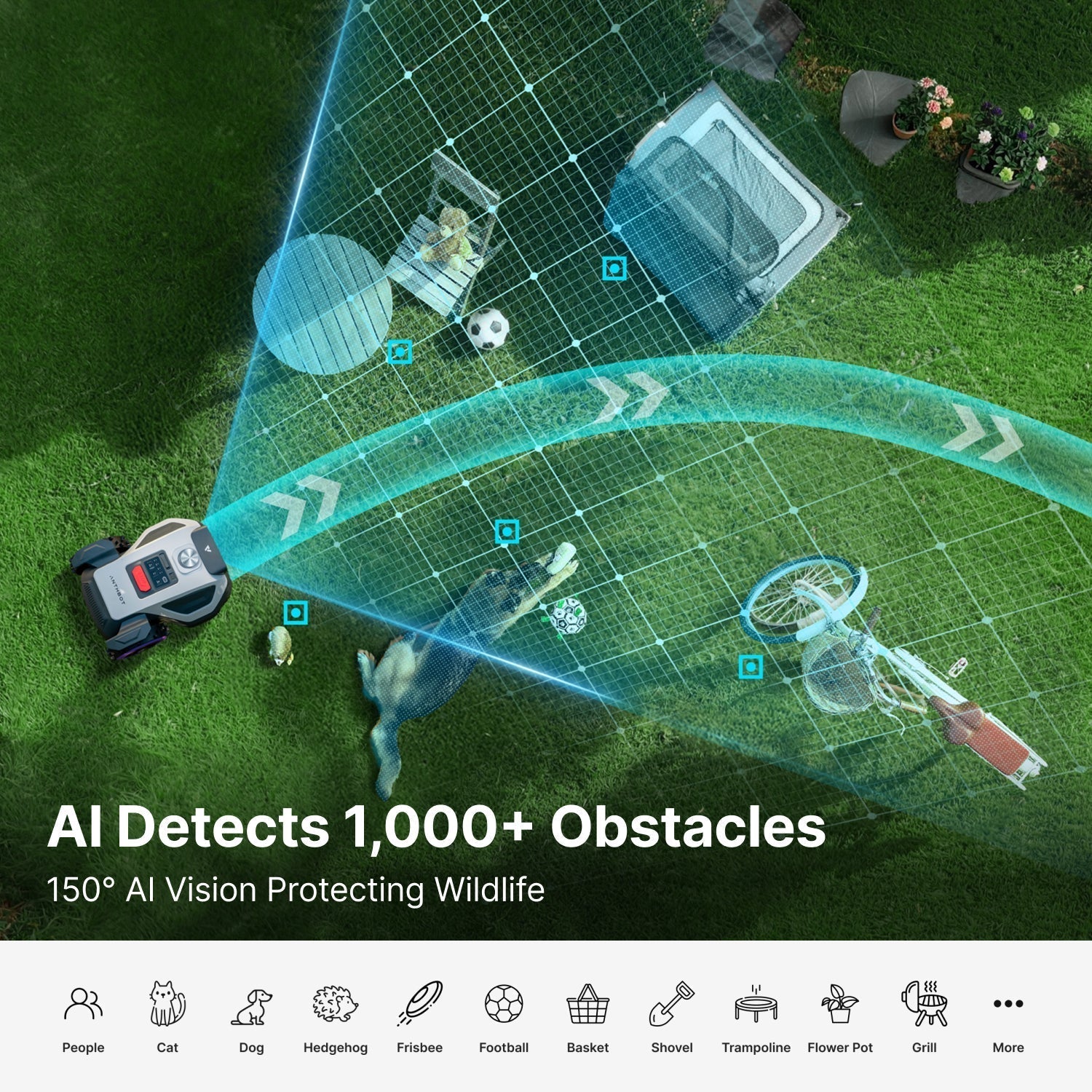
Advanced obstacle avoidance systems use sensors, AI cameras, or LiDAR technology to detect objects in real time. This helps the robot mower avoid furniture, toys, pets, and other obstacles more safely during operation. For families with children or pets, reliable obstacle detection is one of the most important smart safety features to consider. Click here to read our complete guide: How Safe Are Robot Mowers Around Pets? A Complete Safety Guide.

Smart Theft Protection
As robot lawn mowers become more expensive and advanced, theft protection features are becoming increasingly important. Many models now include GPS tracking, PIN code protection, app alerts, and automatic locking systems. These features can help improve security and make it easier to locate the mower if it is moved or stolen.
Weather Resistance and Maintenance Requirements
Can Robot Mowers Work in Rain?
Most robot lawn mowers are designed with some level of water resistance, allowing them to operate in light rain or damp grass conditions. However, continuous mowing during heavy rain is generally not recommended, as wet grass can affect cutting performance and increase wear on components. Many smart models are equipped with rain sensors that automatically return the mower to its charging station when rainfall is detected, helping protect both the machine and your lawn.

Winter Storage and Seasonal Maintenance
Proper seasonal maintenance is essential to keep your robot mower in good condition. Before winter, most users should clean the mower, check the blades, and fully charge the battery before storing it in a dry, frost-free environment. Some models also require software updates or blade replacements before the next mowing season. Regular maintenance not only extends the lifespan of the mower but also ensures consistent performance when spring arrives.
How Much Should You Spend on a Robot Lawn Mower?
Robot lawn mower prices vary depending on lawn size, navigation technology, and smart features. More affordable models are usually suitable for small, simple lawns and cover basic mowing needs. Mid-range options offer a better balance of battery life, app control, and mowing efficiency, making them a popular choice for most households. For larger or more complex gardens, premium models with RTK, LiDAR, or AI vision provide higher accuracy, stronger obstacle avoidance, and more stable performance, but come at a higher cost. Instead of focusing only on price, it’s more practical to choose a model that fits your lawn’s real conditions, ensuring better performance and long-term value without unnecessary spending.
Best Robot Lawn Mowers for Different Yard Types
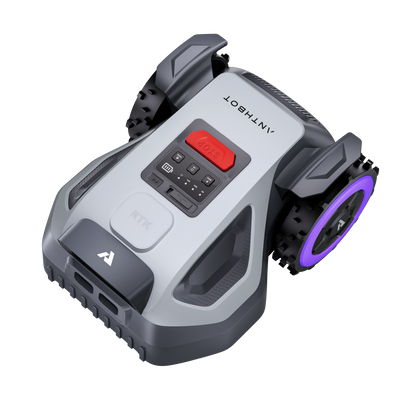
M5 – Best for Small Gardens
The M5 is designed for smaller lawns where simplicity and efficiency matter most. It offers reliable cutting performance, easy setup, and smooth navigation for compact garden spaces without complex layouts. This makes it a great entry-level option for homeowners who want automated mowing with minimal configuration.
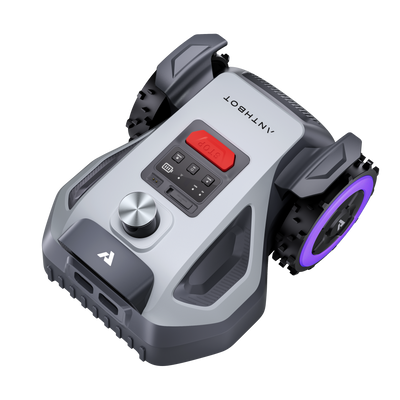
M9 – Best for Medium Lawns
The M9 is a balanced option for medium-sized lawns, offering stronger battery life, improved coverage efficiency, and smart app control. It handles everyday mowing tasks with ease and is well-suited for households with moderate yard complexity and regular maintenance needs.
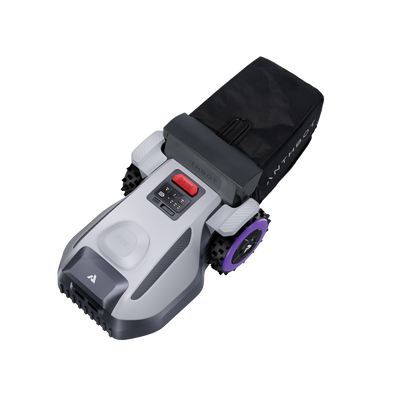
N8 – Best for Large Properties
The N8 is built for larger properties that require extended runtime and higher mowing efficiency. It features stronger power management and optimized navigation to cover wide areas more effectively, making it suitable for expansive lawns with consistent performance demands.
M5 LiDAR – Best for Complex Gardens
The M5 LiDAR version is ideal for complex gardens with narrow paths, multiple zones, and dense obstacles. With LiDAR-based mapping, it can create precise lawn layouts and navigate accurately even in shaded or irregular environments, offering a more intelligent mowing experience.
Final Buying Checklist Before You Order
Quick Checklist
- Lawn size confirmed
- Slope checked
- Navigation type selected
- Multi-zone needed?
- Pets or children at home?
- Local support available?
- Replacement blades accessible?
Frequently Asked Questions
Are robot lawn mowers worth it?
Robot lawn mowers are worth it for most homeowners who want to save time and reduce manual lawn care. They can maintain a consistent cutting schedule, improve lawn health through frequent trimming, and work automatically with minimal supervision. While the initial cost is higher than traditional mowers, the long-term convenience and time savings make them a practical investment for many yards.
How long do robot lawn mowers last?
Most robot lawn mowers last around 5 to 10 years, depending on build quality, usage frequency, and maintenance. Regular blade changes, proper cleaning, and seasonal storage can significantly extend the lifespan and help maintain consistent performance over time.
Can robot mowers mow multiple zones?
Yes, many modern robot lawn mowers support multi-zone mowing. This allows them to handle front yards, backyards, and separated lawn areas efficiently. Advanced models can also navigate between zones automatically or be controlled through an app for better scheduling and management.
What happens if the mower hits an obstacle?
When a robot mower encounters an obstacle, built-in sensors or AI systems usually detect it and stop or change direction automatically. Most models are designed to avoid objects such as furniture, trees, or garden decorations, helping prevent damage to both the mower and the surroundings.


Leave a comment
This site is protected by hCaptcha and the hCaptcha Privacy Policy and Terms of Service apply.