













Table of Contents
What Is a GPS Robot Lawn Mower?
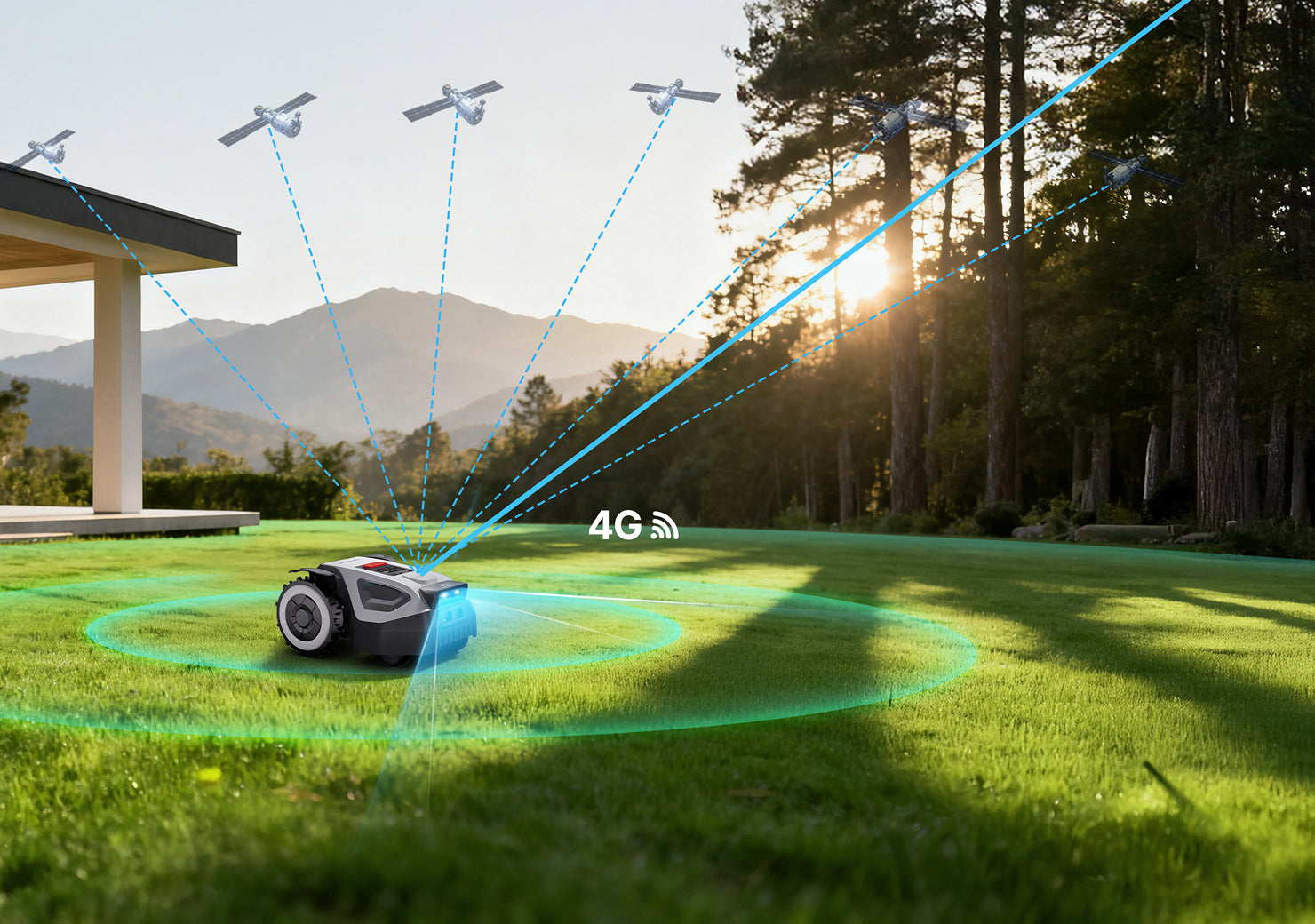
A GPS robot lawn mower is a robotic mower that uses Global Positioning System (GPS)technology to help determine its location and navigate your lawn more efficiently. Unlike traditional robot mowers that rely entirely on buried boundary wires, GPS-enabled models can support features such as virtual mapping, optimized mowing paths, multi-zone management, and real-time location tracking. Many modern models combine GPS with other technologies, including RTK, AI Vision, and onboard sensors, to deliver more accurate and reliable navigation.
It's important to note that GPS alone is not precise enough for autonomous mowing. Standard GPS positioning is typically accurate to within several meters, which is sufficient for general location tracking but not for maintaining precise mowing lines or avoiding obstacles. To achieve centimeter-level accuracy, premium robotic lawn mowers often pair GPS with RTK (Real-Time Kinematic)technology, which uses correction signals from a base station or network to significantly improve positioning accuracy.

Today, GPS plays a much broader role than simply helping a mower find its way around the lawn. It enables smart features such as virtual boundary management, route optimization, anti-theft tracking, and remote monitoring through a mobile app. By working together with RTK, cameras, and other sensors, GPS has become an essential part of the intelligent navigation systems found in today's high-performance robotic lawn mowers.
In the following sections, we'll explain how GPS robot lawn mowers work, compare GPS with GPS-RTK technology, explore their advantages and limitations, and help you decide whether a GPS-enabled robotic mower is the right choice for your lawn.
GPS vs. GPS-RTK: What's the Difference?
When researching robotic lawn mowers, you'll often see terms like GPS, GPS-RTK, and RTK navigationused interchangeably. While they are closely related, they are not the same technology. Understanding the difference is essential when choosing a robot mower, as it directly affects mowing accuracy and overall performance.
GPS (Global Positioning System) uses signals from satellites to estimate a mower's location. It is highly effective for general positioning, route planning, and location tracking, but standard GPS typically provides an accuracy of only; 1–5 meters. This level of precision is sufficient for tracking a mower's location, but not accurate enough for creating precise mowing patterns or staying within virtual boundaries.
GPS-RTK (Real-Time Kinematic) enhances standard GPS by using correction data from an RTK base station or a network of reference stations. These real-time corrections improve positioning accuracy from meters to within a few centimeters, allowing the mower to navigate with exceptional precision. This enables features such as wire-free virtual boundaries, straight mowing lines, efficient route planning, and accurate multi-zone management.

GPS vs. GPS-RTK Comparison
|
Feature |
GPS |
GPS-RTK |
|
Positioning Accuracy |
1–5 meters |
1–3 centimeters |
|
Virtual Boundaries |
Limited |
✔ Highly accurate |
|
Mowing Precision |
Basic |
Excellent |
|
Route Planning |
Basic |
Optimized and systematic |
|
Multi-Zone Management |
Limited |
✔ Advanced |
|
Best For |
Location tracking |
Autonomous lawn mowing |
For this reason, most premium robotic lawn mowers today don't rely on GPS alone. Instead, they combine GPS-RTKwith technologies such as AI Vision, LiDAR, cameras, and onboard sensors to deliver reliable navigation in a wide range of lawn conditions. While GPS provides the mower's general location, RTK supplies the precision needed for efficient, wire-free mowing.
How Do GPS Robot Lawn Mowers Work?
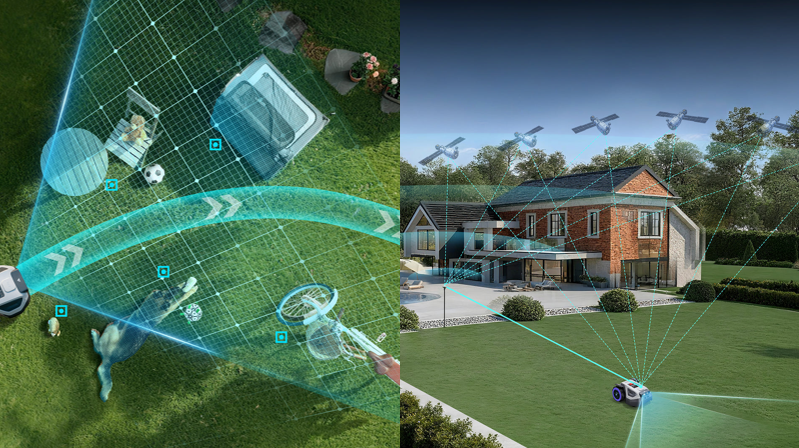
A GPS robot lawn mower uses satellite positioning technology to determine its location and navigate around your lawn. Rather than mowing randomly, it continuously calculates its position, plans efficient routes, and adjusts its movement as it works. In most modern robotic mowers, GPS is only one part of a broader navigation system that also includes RTK, cameras, inertial sensors (IMU), and obstacle detection technologies.
Step 1: Receive Satellite Signals
The mower receives signals from multiple Global Navigation Satellite System (GNSS) satellites, such as GPS, Galileo, GLONASS, or BeiDou. These signals provide its approximate location on the lawn.
Step 2: Improve Positioning Accuracy
For premium models, GPS is paired with RTK (Real-Time Kinematic)technology. An RTK base station or correction network sends real-time correction data to the mower, improving positioning accuracy from several meters to just a few centimeters. This level of precision allows the mower to follow virtual boundaries and mow in neat, systematic patterns.
Step 3: Plan the Mowing Route
Using its location data, the mower creates an efficient mowing path instead of moving randomly. It can divide the lawn into multiple zones, reduce unnecessary overlap, and ensure more complete coverage while minimizing mowing time.
Step 4: Detect Obstacles and Adjust in Real Time
GPS alone cannot detect objects such as trees, flower beds, pets, or garden furniture. That's why most advanced robot mowers combine GPS with AI Vision, ultrasonic sensors, or LiDAR. These technologies help the mower recognize obstacles, avoid collisions, and safely navigate complex environments.
Step 5: Return to the Charging Station
When the battery runs low or the mowing task is complete, the mower uses its navigation system to locate and return to the charging station automatically. GPS helps determine its general location, while RTK and onboard sensors provide the precision needed for accurate docking.

Why GPS Alone Isn't Enough
Although GPS is essential for positioning, it isn't accurate enough on its own for autonomous mowing. Standard GPS can drift by several meters due to satellite signal conditions, making it unsuitable for precise navigation. This is why today's high-end robotic lawn mowers combine GPS with RTK and other intelligent sensing technologies, delivering the accuracy, efficiency, and reliability required for truly wire-free lawn care.
Benefits of GPS Robot Lawn Mowers
GPS technology has transformed robotic lawn mowers from simple automated machines into intelligent lawn care systems. By enabling accurate positioning, smart route planning, and real-time monitoring, GPS helps improve mowing efficiency while reducing the amount of manual work required. When combined with technologies such as RTK and AI Vision, GPS delivers an even smarter and more reliable mowing experience.
Wire-Free Navigation
One of the biggest advantages of GPS-enabled robot mowers is the ability to support virtual boundaries instead of traditional boundary wires. Rather than installing and maintaining buried cables, homeowners can define mowing areas digitally through a mobile app, making setup faster and more flexible.
More Efficient Mowing Patterns
Unlike older robotic mowers that often move in random directions, GPS-enabled models can follow planned mowing routes. This minimizes unnecessary overlap, reduces missed areas, and improves overall mowing efficiency, especially on medium and large lawns.
Smart Multi-Zone Management
Many GPS robot lawn mowers allow users to create and manage multiple mowing zones. Whether your property includes a front yard, backyard, or separate lawn sections, the mower can navigate between designated areas and follow customized mowing schedules for each zone.
Real-Time Location Tracking
GPS makes it possible to monitor your mower's location through a mobile app. You can check where it's mowing, view its current status, and receive notifications if it leaves the designated work area. This feature also enhances anti-theft protection by helping owners locate the mower if it is moved unexpectedly.
Automatic Route Optimization
GPS data helps the mower calculate more efficient mowing paths based on the size and layout of your lawn. By reducing repeated passes and unnecessary travel, the mower can complete tasks more quickly while conserving battery power.
Better User Experience
GPS-enabled robotic mowers often include advanced smart features such as app control, customized mowing schedules, virtual no-go zones, and over-the-air software updates. These capabilities give homeowners greater control and make lawn maintenance more convenient.
Are GPS Robot Lawn Mowers Worth It?
For homeowners with medium to large lawns, multiple mowing zones, or a preference for wire-free installation, GPS-enabled robotic lawn mowers offer significant advantages over traditional boundary-wire models. While GPS alone is not sufficient for precision mowing, combining it with RTK and other navigation technologies provides a smarter, more efficient, and more autonomous lawn care solution.

GPS Navigation vs. GPS Tracking: What's the Difference?
When shopping for a GPS robot lawn mower, you'll often see features like GPS navigationand GPS trackinglisted in the specifications. Although they both use satellite positioning technology, they serve very different purposes. Understanding the difference can help you choose a mower with the features that matter most.
GPS Navigation: Guiding the Mower Around Your Lawn
GPS navigation is used to help the robot mower determine its position and move efficiently across your lawn. In modern robotic mowers, GPS is typically combined with RTK, AI Vision, or other sensors to create accurate mowing routes and support wire-free operation.
GPS navigation helps the mower:
- Plan efficient mowing paths
- Support virtual boundaries
- Manage multiple mowing zones
- Reduce missed areas and repeated mowing
- Return to the charging station automatically
Keep in mind that GPS alone is not accurate enough for precision mowing, which is why premium models often rely on GPS-RTK technology for centimeter-level positioning.
GPS Tracking: Monitoring the Mower's Location
GPS tracking is a security and monitoring feature rather than a navigation system. It allows you to view your mower's location through a mobile app and receive alerts if the mower leaves its designated area.
GPS tracking can help you:
- Locate your mower in real time
- Receive anti-theft notifications
- Track movement history
- Recover the mower if it is moved or stolen
- Monitor mowing progress remotely
Some models also support geofencing, sending an alert whenever the mower moves outside a predefined area.
GPS Navigation vs. GPS Tracking
|
Feature |
GPS Navigation |
GPS Tracking |
|
Primary Purpose |
Guide mowing and navigation |
Monitor location and improve security |
|
Supports Virtual Boundaries |
✔ Yes |
✖ No |
|
Plans Mowing Routes |
✔ Yes |
✖ No |
|
Helps Return to Charging Station |
✔ Yes |
✖ No |
|
Real-Time Location Monitoring |
Limited |
✔ Yes |
|
Anti-Theft Protection |
✖ No |
✔ Yes |
Which Features Should You Look For?
The best robotic lawn mowers include both GPS navigation and GPS tracking. GPS navigation improves mowing efficiency and accuracy, while GPS tracking provides peace of mind by allowing you to monitor the mower's location and protect it against theft. Together, these features deliver a smarter, safer, and more convenient lawn care experience.
Limitations of GPS Navigation in Robot Lawn Mowers
While GPS technology has significantly improved robotic lawn mower performance, it is not without limitations. Understanding these drawbacks is important because it helps set realistic expectations and explains why most modern robot mowers combine GPS with RTK, AI Vision, or LiDAR for better accuracy and reliability.

1. Limited Accuracy in Standard GPS Systems
Standard GPS typically provides positioning accuracy within 1–5 meters, which is not precise enough for autonomous mowing. This level of error can lead to:
- Slight overlaps or missed grass patches
- Less precise boundary control
- Reduced efficiency in complex lawn shapes
This is why high-end models rely on GPS-RTK correction systemsto achieve centimeter-level accuracy.
2. Signal Interference from Trees and Buildings
GPS signals can be weakened or blocked by physical obstacles such as:
- Dense trees
- Tall buildings
- Garden structures
- Narrow passages between walls
In these environments, the mower may experience temporary positioning errors or reduced navigation stability.
3. Weather Conditions Can Affect Performance
Although GPS signals are generally stable, certain weather conditions may still impact performance indirectly, especially when combined with other sensors:
- Heavy rain
- Thick fog
- Stormy weather
These conditions may reduce the effectiveness of vision or sensor-based systems that work alongside GPS.
4. Dependence on Correction Systems for Precision Mowing
GPS alone is not sufficient for high-precision lawn care. To achieve accurate navigation, most robotic mowers require:
- RTK base stations
- Cloud-based correction networks
- Additional sensor fusion (IMU, Vision, LiDAR)
Without these enhancements, GPS-based navigation would not be accurate enough for clean mowing patterns.
5. Initial Setup and Calibration Requirements
Some GPS or GPS-RTK robot mowers require an initial setup process, which may include:
- Mapping the lawn
- Positioning the RTK base station
- Defining virtual boundaries
- Calibrating signal reception
While this is usually a one-time process, it can take time for first-time users.
6. Reduced Performance in Highly Complex Environments
In lawns with extremely complex layouts—such as multiple narrow sections, heavy tree coverage, or irregular boundaries—GPS-based navigation alone may struggle to maintain consistent performance without additional technologies like LiDAR or AI Vision.
Summary: GPS Is Powerful but Not Enough Alone
GPS is a foundational technology in modern robot lawn mowers, enabling features like navigation, tracking, and virtual boundaries. However, on its own, it is not precise enough for fully autonomous mowing. This is why today's best-performing robotic lawn mowers use hybrid systems that combine GPS with RTK, AI Vision, and advanced sensors, ensuring greater accuracy, stability, and real-world usability.
Is a GPS Robot Lawn Mower Right for You?
GPS robot lawn mowers are not a one-size-fits-all solution. Whether they are the right choice depends on your lawn size, layout complexity, and expectations for automation and precision. Understanding your use case will help you decide if a GPS-based system is enough, or if you should consider upgrading to RTK or AI-powered models.
You Should Consider a GPS Robot Lawn Mower If You Have:
- A medium to large lawn with open space
- A relatively simple garden layout
- Multiple mowing zones that need smart management
- A preference for wire-free or semi-wire-free setup
- Interest in app control and remote monitoring
In these cases, GPS-based systems can provide efficient mowing and convenient smart features.
GPS Robot Mowers May Not Be Ideal If You Have:
- Dense trees or heavy garden coverage
- Narrow passages or complex landscaping
- High demand for centimeter-level mowing precision
- Poor satellite signal conditions around your property
In these environments, GPS alone may struggle, and a GPS-RTK or LiDAR-based systemis usually a better option.

Simple Decision Guide
- Basic lawns + convenience focus → GPS robot mower is enough
- Large or complex lawns → choose GPS + RTK hybrid system
- Very complex environments → consider RTK + AI Vision or LiDAR systems
Final Takeaway
A GPS robot lawn mower is a great entry point into smart lawn care, offering features like virtual boundaries, app control, and real-time tracking. However, for the best performance, most modern systems use GPS as part of a larger navigation setup rather than relying on it alone.
Top GPS Robot Lawn Mowers for 2026
GPS-enabled robot lawn mowers have become increasingly advanced, combining satellite positioning with RTK, AI Vision, and smart app control. When choosing the best model, it’s important to focus not only on GPS capability but also on overall navigation accuracy, lawn size coverage, and smart features.
Below are the key types of GPS robot lawn mowers you’ll find in 2026, along with what they are best suited for.
⭐ Best Overall: GPS-RTK Hybrid Robot Mowers
These models combine GPS + RTK correction technology, making them the most accurate and reliable option for most users.
Best for:
- Medium to large lawns
- Multi-zone gardens
- Users who want wire-free setup with high precision
Key advantages:
- Centimeter-level positioning accuracy
- Stable virtual boundary control
- Efficient mowing patterns
👉 This category represents the current industry standard for premium robot mowers.
🌿 Best for Simple Lawns: GPS-Only Smart Robot Mowers
These models rely mainly on GPS positioning with basic smart navigation features.
Best for:
- Small to medium lawns
- Simple, open garden layouts
- Budget-conscious users
Key advantages:
- Lower cost
- Easy setup
- Basic smart features like app control and scheduling
⚠️ Limitation: Less precise than RTK-based systems.
🧠 Best for Advanced Navigation: GPS + AI Vision Robot Mowers
These models enhance GPS navigation with camera-based AI Vision systems.
Best for:
- Gardens with obstacles (trees, furniture, pets)
- Complex landscaping
- Safety-focused users
Key advantages:
- Better obstacle detection
- Improved adaptability in real-world environments
- Safer operation around pets and children
🌳 Best for Complex Environments: GPS + RTK + AI Hybrid Systems
High-end models now combine multiple technologies:
- GPS for positioning
- RTK for precision
- AI Vision or LiDAR for obstacle recognition
Best for:
- Large, complex lawns
- Uneven terrain
- Users wanting fully autonomous mowing
Key advantages:
- Maximum accuracy and reliability
- Strong performance in challenging environments
- Minimal manual intervention required
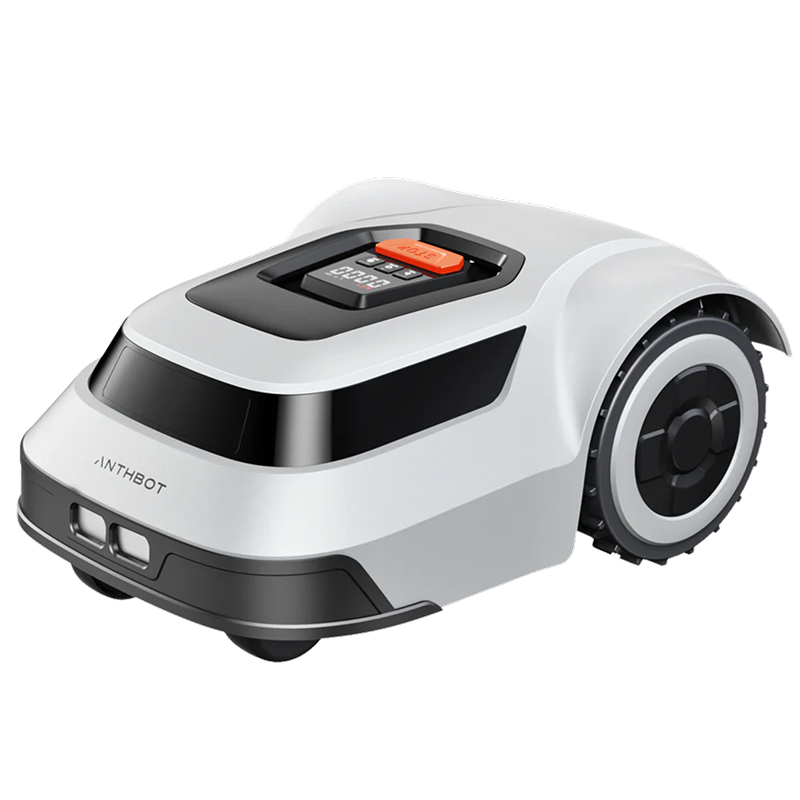
⭐ Featured Recommendation: ANTHBOT GPS-RTK Robot Lawn Mowers
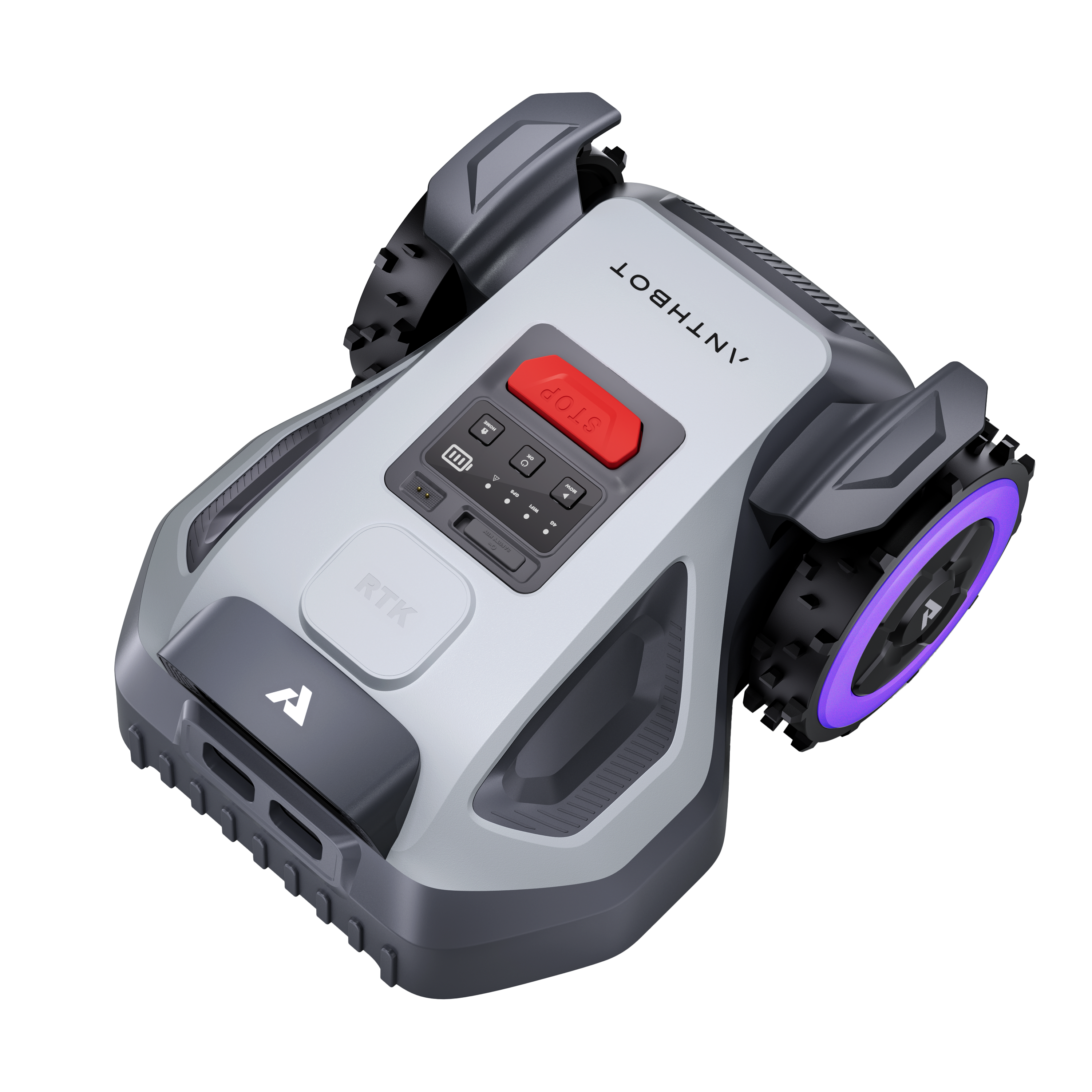
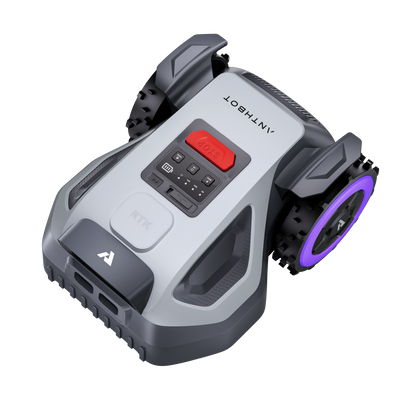
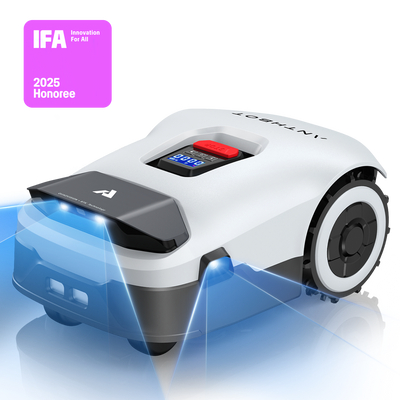
For users looking for a more advanced and reliable GPS robot mowing experience, ANTHBOT robotic lawn mowersoffer a strong combination of GPS-RTK precision navigation, wire-free setup, and smart multi-zone management. Designed for modern residential lawns, ANTHBOT mowers are built to handle everything from simple gardens to more complex outdoor environments.
By combining RTK-level positioning accuracy with intelligent navigation algorithms, ANTHBOT helps ensure consistent mowing paths, improved efficiency, and reduced manual intervention. With support for app control, virtual boundaries, and real-time tracking, it provides a fully connected and user-friendly lawn care experience.
👉 This makes ANTHBOT a strong option for users who want to upgrade from basic GPS systems to a more precise and fully autonomous robotic mowing solution.
€749,00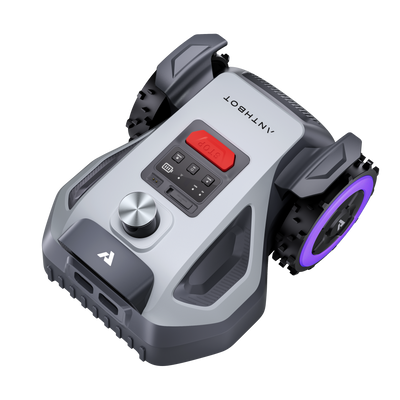
€999,00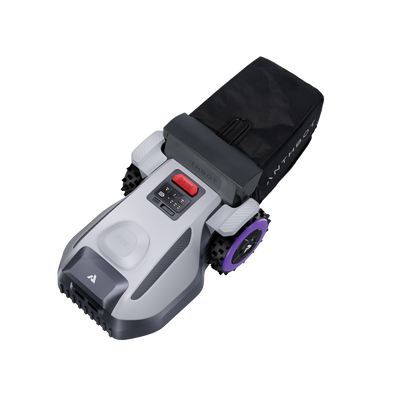
🛒 What to Look for When Choosing a GPS Robot Lawn Mower
Regardless of category, the best models usually include:
- RTK support for higher accuracy
- Multi-zone management
- App-based virtual boundary setup
- Real-time GPS tracking
- Obstacle detection system
- Strong battery life for large lawns
Final Insight
In 2026, the best GPS robot lawn mowers are no longer just “GPS-based.” Instead, they are hybrid intelligent systemsthat combine GPS with RTK and AI technologies. The right choice depends on your lawn complexity, but in most cases, RTK-enhanced models offer the best balance of precision and usability.

Zostaw komentarz
Ta strona jest chroniona przez hCaptcha i obowiązują na niej Polityka prywatności i Warunki korzystania z usługi serwisu hCaptcha.