










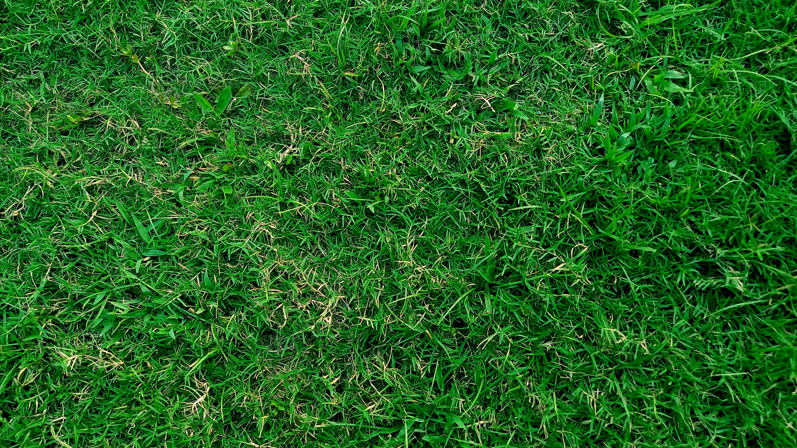
It can be incredibly frustrating to put hours of work into your lawn all spring, only to watch it turn brown, patchy, and stressed the moment the summer heat peaks. Often, the culprit isn't a lack of water or fertilizer—it’s your mower deck height.
Bermuda grass is famous for its dense, carpet-like appearance, which makes it tempting to cut it as short as possible. But treating your mid-summer lawn like a spring putting green is a fast track to severe heat stress and scalping. Here is exactly how high you should be cutting your Bermuda turf in the summer to keep it lush, green, and resilient.
Table of Contents
The Summer Heat Dilemma for Bermuda Lawns
If you live in Southern Europe, you likely chose Bermuda grass (Cynodon dactylon) specifically because it thrives in hot, sunny climates. Homeowners love it because its creeping growth habit naturally forms a dense, traffic-resistant carpet that mimics a professional golf course.
However, the intense heatwaves and prolonged droughts of July and August present a dilemma. You want to keep that manicured, ultra-short look, but the blistering sun is drying out the soil. When you push a standard rotary mower across the lawn at a 2 cm setting in the middle of summer, the grass simply cannot recover fast enough, leaving you with dry, dead-looking brown patches.
The Exact Height to Cut Bermuda Grass in Summer

To protect your lawn while still keeping it tidy, you need to adjust your approach based on the thermometer.
The Ideal Summer Range (3.5 to 5 cm)
While Bermuda grass can be cut incredibly short in the milder spring months, peak summer requires raising the deck to 3.5 to 5 cm.
If your lawn has uneven ground, dips, or bumps, lean toward the 5 cm mark. This gives you a buffer and prevents the mower blade from dipping and shaving the high spots down to the bare dirt.
How This Compares to Other Grass Types
It is vital to understand exactly what type of grass is growing in your garden before adjusting your mower deck. Warm-season grasses behave very differently from the cool-season grasses typical of Northern and Western Europe.
|
Grass Species |
Climate Type |
Ideal Summer Height |
Why This Height Matters in Summer |
|
Bermuda Grass (Cynodon dactylon) |
Warm-Season (Southern Europe) |
3.5 to 5 cm |
Short enough for a dense look, but tall enough to shade the soil and avoid scalping the brown under-canopy. |
|
Zoysia Grass |
Warm-Season (Southern Europe) |
4 to 5.5 cm |
Slightly thicker and wider-bladed than Bermuda; needs a fraction more height to retain moisture during peak drought. |
|
Perennial Ryegrass (Lolium perenne) |
Cool-Season (Widespread Europe) |
5 to 7 cm |
Grows vertically. Needs a much taller canopy to shade its roots and survive high temperatures without turning entirely yellow. |
|
Kentucky Bluegrass (Poa pratensis) |
Cool-Season (Temperate/Northern) |
6 to 7.5 cm |
Highly prone to summer heat stress. Cutting it short forces it into early dormancy, leaving the lawn looking dead. |
If you are unsure whether your lawn is a creeping warm-season grass or an upright cool-season variety, take a moment to consult our comprehensive European grass type overview to properly identify your turf before making the next cut.
Why You Must Raise Your Mower Deck in Peak Heat
Raising your mower deck by just a centimetre or two might feel like you are giving up on that perfectly manicured look, but it is a biological necessity for heat defence.
- Soil Shading to Reduce Evaporation: Taller grass blades cast longer shadows. This shades the soil from direct, baking sunlight, drastically reducing the temperature at the root level and slowing down the evaporation of morning dew and irrigation water.
- Encouraging Deeper Roots: There is a direct correlation between the height of the grass above ground and the depth of the roots below ground. A slightly taller summer canopy forces the plant to drive its roots deeper into the earth, allowing it to access trapped water during droughts.
The Danger of "Scalping" Your Bermuda Grass
The most common reason Bermuda lawns turn brown in the summer isn't a lack of water; it's scalping.
Unlike grasses that grow straight up, Bermuda grows horizontally via creeping stems above the ground (stolons) and below the ground (rhizomes). This creates a very thick, woody, brown "under-canopy." Only the top section of the grass blade is actually green.
If you let your Bermuda grass grow too long and then attempt to hack it down short with a standard rotary mower, you will chop off all the green, photosynthetic leaves. What remains is the ugly, brown, woody stems. This is called scalping, and it starves the grass of energy exactly when it needs it to fight off heat stress.
To avoid exposing this brown underlayer, you must strictly adhere to the 1/3 Mowing Principle—never removing more than one-third of the total grass height in a single cut.
Mow Frequently for a Carpet-Like Bermuda Lawn
If you have to raise your mower deck to 4 or 5 cm in the summer, how do you maintain that neat, carpet-like appearance?
The secret is high-frequency mowing. Waiting two weeks between cuts ruins Bermuda grass. The only way to keep it looking tightly manicured without cutting it dangerously short is to trim it constantly. By taking off just a tiny fraction of a centimetre every few days, you force the grass to grow thicker horizontally rather than taller vertically.
Automating the Summer Schedule

Physically pushing a mower across your lawn twice a week in 35°C heat is exhausting. It is the main reason homeowners fall behind on their mowing schedule and end up scalping their lawns to catch up.
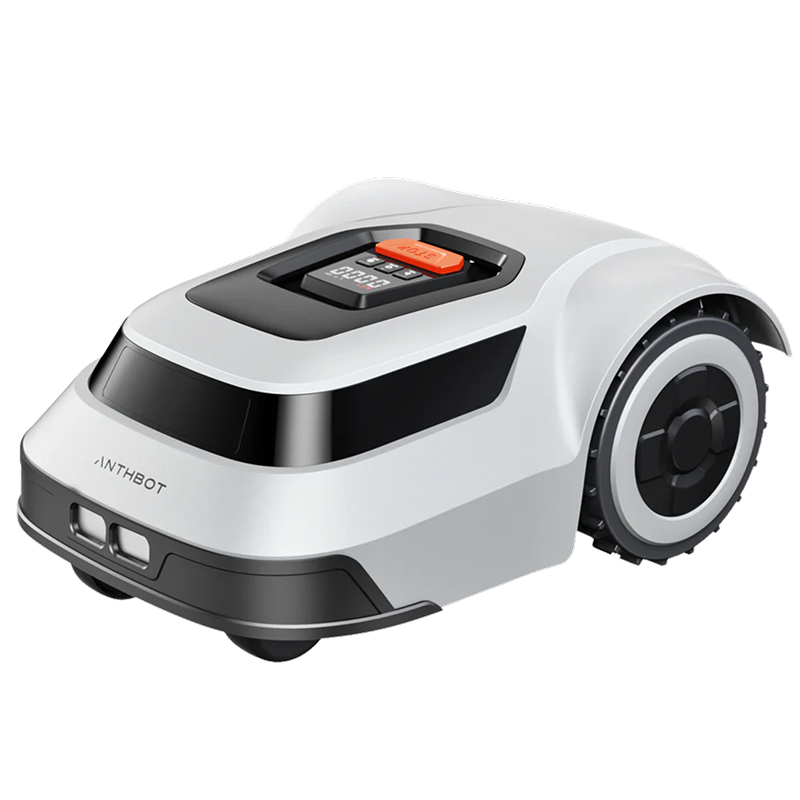
Because Bermuda grass demands such high-frequency cutting to look its best, it is the perfect candidate for automated care. Devices like the ANTHBOT robot mowers eliminate this manual labour entirely. Instead of chopping off large amounts of grass once a week, these robot mowers perform continuous "micro-cuts."
This frequent, millimetre-level trimming perfectly mimics professional golf course maintenance, keeping the canopy incredibly dense. With app-adjusted cutting heights, you can seamlessly transition your lawn from a spring cut to a summer heat-defence height without ever leaving the shade, ensuring your lawn stays perpetually green without ever scalping the brown under-canopy.
Essential Summer Care Tips for Bermuda Turf
Alongside adjusting your cutting height, keep these two fundamental practices in mind to help your Bermuda grass thrive in the heat:
Water Deeply, Not Daily
A common summer mistake is lightly watering the lawn every single evening. This encourages shallow roots that dry out quickly during the day. Instead, water your lawn deeply (providing about 2.5 cm of water) just once or twice a week, preferably in the early morning. This trains the roots to dive deep into the soil.
Ensure Mower Blades are Razor Sharp
Bermuda grass is tough and fibrous. If your mower blade is dull, it will tear the grass rather than slicing it cleanly. Torn grass tips quickly turn white or yellow, lose moisture rapidly, and become highly susceptible to disease. Ensure your rotary blades are sharpened at least once per season to guarantee a clean, healthy cut.




Leave a comment
This site is protected by hCaptcha and the hCaptcha Privacy Policy and Terms of Service apply.