





Table of Contents
What Is Lawn Treatment and Why Does It Matter?
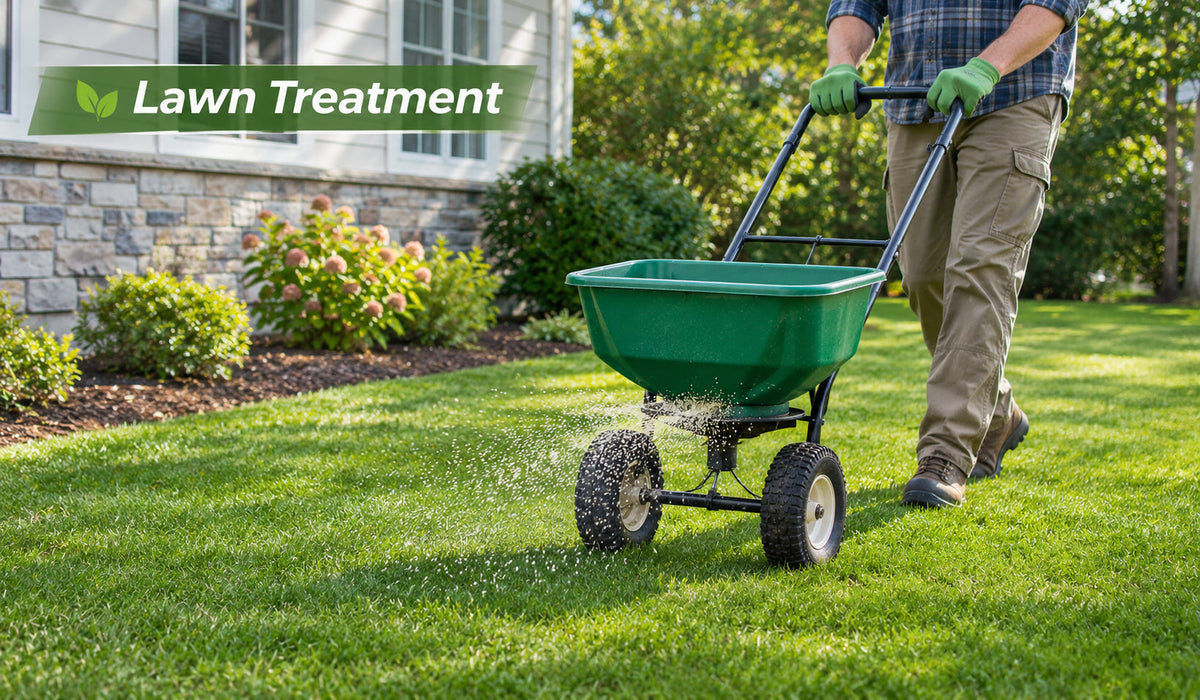
Lawn treatment involves a range of practices designed to improve grass health, maintain dense growth, and prevent common problems such as weeds, pests, and diseases.
A healthy lawn requires more than regular mowing. Soil quality, proper fertilization, adequate watering, and seasonal maintenance all play important roles.
Key lawn treatment practices include:
- Soil Testing: Identify nutrient deficiencies and soil pH imbalances.
- Fertilization: Supply essential nutrients for healthy grass growth.
- Weed Control: Prevent and remove unwanted plants.
- Aeration and Overseeding: Improve soil conditions and fill thin or bare areas.
- Pest and Disease Control: Identify and address common lawn problems.
- Proper Mowing and Watering: Maintain consistent growth and reduce lawn stress.
The right treatment plan depends on your grass type, soil conditions, local climate, and the condition of your lawn. Understanding these factors helps you choose the right treatments instead of applying products or maintenance practices unnecessarily.

Soil Testing and Lawn Soil Amendments
Healthy grass starts with healthy soil. Before applying fertilizer or other treatments, test your soil to identify nutrient deficiencies and pH imbalances. This helps you choose the right amendments and avoid unnecessary applications.
What Should You Test?
Focus on these key soil factors:
|
Soil Factor |
Why It Matters |
General Guidance |
|
Soil pH |
Affects nutrient availability and absorption |
Most lawns perform well at pH 6.0–7.0 |
|
Nitrogen (N) |
Supports leaf growth and green color |
Apply based on grass type and seasonal needs |
|
Phosphorus (P) |
Supports root development |
Add only when soil tests indicate a need |
|
Potassium (K) |
Supports overall plant health and stress tolerance |
Adjust according to soil test results |
How to Improve Your Lawn Soil
Once you receive the test results, choose amendments based on the identified problems:
- Adjust Soil pH: Apply lime if the soil is too acidic or sulfur-based amendments if it is too alkaline, following test recommendations.
- Improve Soil Structure: Add suitable organic matter, such as finished compost, to help improve soil structure and water retention.
- Correct Nutrient Deficiencies: Use fertilizers or targeted soil amendments to address specific nutrient shortages.
Tip: Test your soil before starting a major lawn treatment program. Many lawns do not need every nutrient or amendment, and applying the wrong products can create additional problems. For reliable results, use a professional soil testing laboratory or a local agricultural extension service.
Lawn Fertilization: Choosing the Right Fertilizer
Fertilizer supplies essential nutrients that support grass growth, root development, and overall lawn health. The right fertilizer depends on your grass type, soil test results, and the time of year.
Understanding N-P-K Fertilizer
Most lawn fertilizers display three numbers on the package, representing the percentage of nitrogen (N), phosphorus (P), and potassium (K) by weight.
|
Nutrient |
Main Function |
|
Nitrogen (N) |
Promotes leaf growth and green color |
|
Phosphorus (P) |
Supports root development |
|
Potassium (K) |
Helps grass tolerate environmental stress |
For example, a 20-5-10 fertilizer contains 20% nitrogen, 5% phosphate, and 10% potash by weight.
When Should You Fertilize Your Lawn?
Fertilization timing depends on grass type:
- Cool-season grasses: Kentucky bluegrass, perennial ryegrass, and tall fescue generally benefit from fertilization in early fall, with additional applications based on local conditions.
- Warm-season grasses: Bermuda grass, Zoysia, and St. Augustine generally need fertilization during active growth in late spring and summer.
Tips for Applying Fertilizer
- Follow soil test recommendations: Choose a fertilizer that addresses actual nutrient needs.
- Check the application rate: Follow the product label to avoid overfertilizing.
Apply evenly: Use a spreader to distribute fertilizer consistently and prevent concentrated patches. - Water when required: Follow label instructions, especially for granular products that need watering to move nutrients into the soil.
- Avoid extreme weather: Do not fertilize frozen, drought-stressed, or waterlogged lawns unless product guidance specifically recommends otherwise.
Tip: More fertilizer does not mean faster or healthier growth. Excess nitrogen can encourage excessive leaf growth, increase mowing requirements, and contribute to nutrient runoff. Follow soil test recommendations and local fertilizer regulations.

Weed Control: How to Prevent and Remove Lawn Weeds
Weeds compete with grass for sunlight, water, nutrients, and growing space. Effective weed control combines prevention, proper lawn maintenance, and targeted removal.
Common Types of Lawn Weeds
Understanding the type of weed helps determine the right treatment:
- Annual weeds: Complete their life cycle within one growing season. Examples include crabgrass and annual bluegrass.
- Perennial weeds: Return year after year through established roots or underground stems. Examples include dandelions and creeping clover.
How to Control Lawn Weeds
- Remove weeds manually: Pull small weeds by the roots, especially after rain or watering when the soil is softer.
- Use pre-emergent herbicides: Apply suitable products before targeted weed seeds germinate. Timing depends on weed type and local conditions.
- Apply post-emergent herbicides: Use selective herbicides designed for the specific weeds and grass species in your lawn.
- Maintain dense grass coverage: Proper mowing, fertilization, and watering help grass compete with weeds and reduce opportunities for them to establish.
How to Prevent Weeds from Returning
- Maintain the recommended mowing height for your grass type.
- Avoid overwatering and excessive fertilization.
- Fill bare patches through overseeding when conditions are suitable.
- Clean mowing equipment to reduce the spread of weed seeds.
Important: Always identify the weed and grass species before applying herbicides. Check product labels for application rates, temperature restrictions, and re-entry instructions, especially if children or pets use the lawn.
Core Aeration and Dethatching: Improving Lawn Health
Over time, soil can become compacted, while dead grass stems and roots can accumulate between the soil surface and green grass. These conditions can restrict water, air, and nutrient movement, making it harder for grass to grow.
Core aeration and dethatching address different problems and should only be performed when your lawn needs them.
Core Aeration: Relieving Soil Compaction
Core aeration removes small plugs of soil from the lawn, creating openings that allow air, water, and nutrients to reach the root zone.
It is particularly useful for:
- Lawns with compacted or heavy clay soil.
- High-traffic areas where the ground becomes hard.
- Grass showing poor growth despite adequate watering and fertilization.
When to aerate: Aerate during the active growing season so grass can recover quickly. Cool-season grasses are generally aerated in early fall or spring, while warm-season grasses are best aerated during late spring or summer.
Dethatching: Removing Excess Thatch
Thatch is a layer of dead grass stems, roots, and other organic material that accumulates between the soil surface and green grass. A thin layer is normal, but excessive thatch can restrict water movement and encourage pest or disease problems.
Dethatching removes this buildup using a specialized rake or dethatching machine.
Consider dethatching when:
- The thatch layer is thicker than approximately ½ inch (1.3 cm).
- Water has difficulty reaching the soil.
- Grass feels spongy underfoot or shows signs of poor growth.
Aeration vs. Dethatching: What's the Difference?
|
Practice |
Main Purpose |
Best For |
|
Core aeration |
Relieves soil compaction |
Hard, compacted soil |
|
Dethatching |
Removes excess dead organic material |
Thick thatch buildup |
Tip: Aeration and dethatching are not routine treatments that every lawn needs annually. Check soil compaction and thatch thickness first. Both practices can temporarily stress grass, so perform them when your lawn is actively growing and can recover.
Overseeding: How to Fill Bare and Thin Lawn Areas
Overseeding involves spreading grass seed over an existing lawn to improve coverage, fill thin patches, and create denser growth. It can also help introduce grass varieties that are better suited to your local climate or lawn conditions.
When Should You Overseed?
The best timing depends on your grass type:
- Cool-season grasses: Early fall is generally ideal because warm soil and cooler air support seed germination and establishment. Early spring is another option.
- Warm-season grasses: Late spring to early summer is usually best, when temperatures are consistently warm and the grass is actively growing.
Avoid overseeding during extreme heat, drought, or other conditions that make it difficult for new grass to establish.
How to Overseed a Lawn
- Mow the existing grass: Cut the lawn slightly shorter than usual to help new seeds reach the soil.
- Prepare the surface: Remove leaves, debris, and excessive thatch. Loosen bare or compacted areas to improve seed-to-soil contact.
- Choose the right seed: Select a grass variety compatible with your existing lawn, climate, and growing conditions.
- Spread the seed evenly: Follow the recommended seeding rate on the product label. Avoid applying too much seed, as overcrowding can limit growth.
- Water consistently: Keep the seeded areas moist during germination, using light, frequent watering rather than allowing the soil to dry out.
How to Care for Newly Overseeded Grass
New seedlings need time to develop strong roots. During establishment:
- Avoid heavy foot traffic on newly seeded areas.
- Keep the soil consistently moist without creating waterlogged conditions.
- Wait until the new grass reaches an appropriate height before its first mow.
- Avoid applying weed control products that may harm young grass. Check product labels for reseeding restrictions and waiting periods.
Tip: Good seed-to-soil contact is essential for successful overseeding. If the lawn has severe bare patches or compacted soil, address those problems before spreading new seed.
Lawn Pest and Disease Control
Pests and diseases can damage grass, cause discoloration, and create thinning or dead patches. Early identification is important because different problems require different treatments. Applying pesticides or fungicides without understanding the cause may waste money or make the problem worse.
Common Lawn Pests and Diseases
- Grubs: Insect larvae that feed on grass roots, causing loose turf and irregular brown patches.
- Armyworms: Caterpillars that feed on grass blades and can cause rapid lawn damage.
- Brown Patch: A fungal disease that creates circular or irregular brown areas, often under warm, humid conditions.
- Dollar Spot: A fungal disease that causes small, straw-colored spots that may spread across the lawn.
Common lawn problems include:
- Grubs: These insect larvae feed on grass roots, causing loose turf and irregular brown patches.
- Armyworms: Caterpillars that feed on grass blades and can cause rapid lawn damage.
- Brown Patch: A fungal disease that creates circular or irregular brown areas, often under warm, humid conditions.
- Dollar Spot: A fungal disease that produces small, straw-colored spots that may spread across the lawn.
How to Identify and Treat Lawn Problems
- Inspect damaged areas: Look for visible insects, feeding damage, fungal growth, or changes in grass texture. Check the roots and soil when necessary.
- Identify the cause: Distinguish pest damage from fungal disease, drought stress, nutrient deficiencies, and other lawn problems before choosing a treatment.
- Apply targeted treatments: Use an appropriate insecticide or fungicide only when the problem has been identified and treatment is necessary. Follow the product label and local regulations.
- Improve lawn conditions: Maintain suitable mowing heights, avoid excessive nitrogen, and water appropriately to reduce stress and unfavorable conditions for disease development.
Prevent Future Pest and Disease Problems
- Remove excessive thatch when necessary.
- Avoid overwatering, especially in humid conditions.
- Maintain good airflow by managing dense vegetation around the lawn.
- Clean mowing equipment regularly, particularly after cutting diseased grass.
- Monitor the lawn for unusual discoloration or thinning so problems can be addressed early.
Tip: Not every brown patch indicates a pest or disease problem. Drought, poor drainage, compacted soil, and incorrect fertilizer application can cause similar symptoms. Identify the underlying cause before treating the lawn.
Proper Lawn Mowing: Why Consistent Cutting Matters
Regular mowing does more than keep your lawn looking neat. It encourages healthy grass growth, helps maintain dense coverage, and reduces opportunities for weeds to spread. However, cutting grass too short or removing too much at once can stress the lawn.
Follow the One-Third Rule
A useful mowing guideline is to remove no more than one-third of the grass blade height in a single cut. Cutting too much at once can weaken grass and expose the soil to sunlight, increasing stress and weed growth.
The ideal mowing height depends on your grass species:
|
Grass Type |
Recommended Mowing Height |
|
Kentucky Bluegrass |
2.5–3.5 inches |
|
Tall Fescue |
2.5–4 inches |
|
Perennial Ryegrass |
2–3 inches |
|
Bermuda Grass |
0.5–2 inches |
|
Zoysia Grass |
1–2 inches |
|
St. Augustine Grass |
2.5–4 inches |
These are general ranges. Adjust mowing height based on the specific variety, growing conditions, and local recommendations.
How Often Should You Mow?
Mowing frequency depends on how quickly your grass grows, which varies with the season, rainfall, temperature, and fertilization.
- Spring: Grass often grows quickly, so more frequent mowing may be necessary.
- Summer: Growth may slow during hot or dry periods. Avoid cutting grass too short, especially when it is stressed.
- Fall: Continue mowing as needed while grass is actively growing, gradually adjusting to its recommended height.
- Winter: Reduce or stop mowing when grass becomes dormant.

Keep Your Mower in Good Condition
- Keep mower blades sharp to produce clean cuts and reduce damage to grass.
- Avoid mowing wet grass, which can result in uneven cutting and clumping.
- Remove excessive grass clippings if they form thick piles.
- Adjust cutting height to suit your grass type and seasonal conditions.
Can a Robot Lawn Mower Improve Lawn Maintenance?
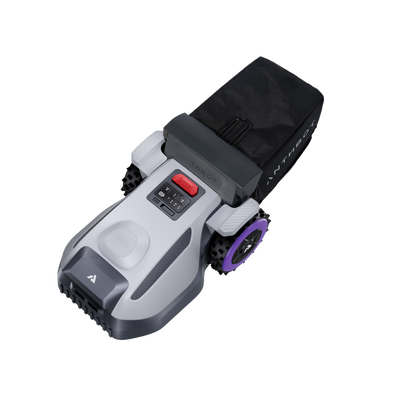
Robot lawn mowers maintain grass through frequent, small cuts rather than removing large amounts at once. Many models finely mulch the clippings and return them to the lawn, where they can decompose and contribute organic matter.
This approach can help maintain a more consistent lawn height while reducing manual mowing. However, robot mowers do not replace other lawn treatments, such as fertilization, weed control, aeration, and overseeding.
Tip: Consistent mowing is more beneficial than occasional aggressive cutting. Set a suitable mowing height and adjust the schedule as grass growth changes throughout the year.


Lawn Watering: How Much and How Often?
Proper watering helps grass develop strong roots, maintain healthy growth, and recover from environmental stress. Both underwatering and overwatering can damage a lawn, so the goal is to provide enough moisture without keeping the soil constantly wet.
How Much Water Does a Lawn Need?
A common guideline for established lawns is approximately 1 inch (25.4 mm) of water per week, including rainfall. However, actual requirements vary depending on grass type, soil conditions, temperature, and seasonal rainfall.
For example:
- Sandy soil drains quickly and may require more frequent watering.
- Clay soil retains moisture longer and usually benefits from slower watering.
- Newly seeded lawns need more frequent, lighter watering to keep the soil surface moist.
- Established lawns generally benefit from deeper watering that encourages stronger root development.
When Is the Best Time to Water?
Early morning is generally the best time to water your lawn, ideally before temperatures rise.
- Morning: Reduces evaporation while giving grass time to dry during the day.
- Midday: More water may be lost through evaporation, especially in hot weather.
- Evening: Prolonged moisture on grass blades can increase the risk of fungal diseases.
How to Water Your Lawn Efficiently
- Water deeply: Apply enough water to moisten the root zone rather than lightly watering every day.
- Adjust for rainfall: Reduce irrigation after sufficient rain to avoid overwatering.
- Check soil moisture: Use a screwdriver or soil probe to see how deeply water has penetrated.
- Avoid runoff: If water starts pooling or running off, split watering into shorter cycles with breaks in between.
- Monitor grass condition: Footprints that remain visible or grass that looks dull and wilted can indicate water stress.
How to Avoid Overwatering
Too much water can weaken roots, encourage fungal diseases, and waste resources. Watch for these signs:
- Persistently wet or soggy soil.
- Water pooling on the lawn.
- Yellowing grass despite regular watering.
- Increased moss or fungal growth.
Tip: Adjust your watering schedule according to weather and soil conditions rather than following a fixed daily routine. Local watering restrictions should also be considered when planning irrigation.
Seasonal Lawn Treatment: What to Do Throughout the Year
Lawn treatment needs change throughout the year. Temperature, rainfall, and grass growth patterns all affect when to fertilize, aerate, overseed, and adjust mowing or watering routines. A seasonal plan helps maintain healthy grass while avoiding unnecessary treatments.
Spring: Prepare the Lawn for Active Growth
Spring is the time to assess winter damage and prepare grass for the growing season.
- Remove leaves, branches, and other debris.
- Test soil and address nutrient deficiencies or pH imbalances.
- Apply fertilizer if needed, based on grass type and soil test results.
- Control early-season weeds with appropriate treatments.
- Overseed thin areas when conditions are suitable for your grass type.
Summer: Manage Heat and Drought Stress
High temperatures and limited rainfall can put stress on lawns, particularly cool-season grasses.
- Water deeply when rainfall is insufficient.
- Raise mowing height when appropriate to protect grass from heat stress.
- Avoid excessive fertilization during periods of heat or drought.
- Monitor for insect damage and fungal diseases.
- Reduce foot traffic on dry or stressed areas.
Fall: Repair and Strengthen the Lawn
Fall is an important treatment period for many cool-season lawns. Cooler temperatures and suitable soil conditions support root development and recovery.
- Overseed thin or bare areas.
- Aerate compacted soil when necessary.
- Fertilize cool-season grass according to soil test results.
- Remove excessive thatch if needed.
- Continue mowing while grass is actively growing, gradually adjusting the cutting height.
Winter: Protect the Lawn During Dormancy
Depending on the climate and grass type, lawns may grow slowly or become dormant during winter.
- Reduce or stop mowing when grass is no longer actively growing.
- Avoid unnecessary fertilizer applications.
- Minimize heavy foot traffic on frozen or dormant grass.
- Remove fallen leaves to prevent them from blocking sunlight and trapping moisture.
- Prepare irrigation equipment and lawn care tools for seasonal storage where necessary.
Cool-Season vs. Warm-Season Lawn Treatment
|
Treatment |
Cool-Season Grasses |
Warm-Season Grasses |
|
Main growth period |
Spring and fall |
Late spring and summer |
|
Best fertilization period |
Mainly fall |
During active growth |
|
Overseeding |
Early fall is generally ideal |
Late spring to early summer |
|
Aeration |
Fall or spring |
Late spring or summer |
|
Winter condition |
May remain green or grow slowly |
Often becomes dormant in colder climates |
Tip: This schedule is a general guide, not a fixed calendar. Adjust treatments according to your grass variety, local climate, soil conditions, and actual growing activity. Avoid applying treatments simply because a particular season has arrived.



Leave a comment
This site is protected by hCaptcha and the hCaptcha Privacy Policy and Terms of Service apply.