
















Finding a cluster of mushrooms sprouting on your pristine lawn can be alarming. One day your garden looks immaculate; the next, an eruption of fungi appears overnight. It's enough to cause panic for parents and pet owners across the UK and Europe.
Before reaching for harsh chemicals or expensive treatments, take a breath: mushrooms are not the enemy. According to the Royal Horticultural Society (RHS), fungi are not only "utterly harmless" in most cases, but "actually actively good for your garden, and the rich web of life supported therein".
Still, we totally understand that for families with curious toddlers or pets who nibble on everything, knowing how to get rid of mushrooms in garden settings safely is a huge priority. This guide will walk you through practical, eco-friendly removal methods and essential lawn care tips. We'll also show you how to stop them from coming back by turning smart lawn maintenance into your ultimate weapon.
Table of Contents
Why Are Mushrooms Growing in My Garden?

Before pulling anything out of the ground, you might be looking at your lawn and wondering: why are mushrooms growing in my grass in the first place? What you see above ground is just the fruiting body. Beneath the soil lies a vast, hidden network of microscopic threads called mycelium. This network works around the clock to break down organic matter, releasing vital nutrients for your grass. They usually pop up suddenly when a few specific conditions line up perfectly:
- Excessive Moisture: Fungi absolutely love damp environments. A spell of prolonged rain, heavy morning dews, or simply overwatering your lawn creates the perfect stage for them to fruit.
- Decaying Organic Matter: Mushrooms need dead material to feed on. A thick layer of thatch (dead grass stems trapped above the soil), buried bits of old tree stumps, or rotting roots gives them a massive feast.
- Shade and Poor Airflow: Tucked-away corners of the garden that stay shaded and lack a breeze hold onto moisture much longer, practically inviting fungal growth.
- Compacted Soil: Hard, squashed earth struggles to drain properly. The water just sits there, creating the consistently wet conditions mushrooms thrive in.
Understanding this cycle makes solving the issue much easier. You don't actually need to destroy the helpful underground mycelium. Managing your lawn's conditions and clearing out the visible caps is all it takes.
Are Garden Mushrooms Dangerous to Kids and Pets?
This is usually the biggest worry for European homeowners. People constantly ask: are garden mushrooms poisonous to dogs/cats and young children? It requires a bit of nuance. The vast majority of those little brown mushrooms that pop up after a rainstorm are harmless to touch. Most lawn mushrooms are not highly toxic, but ingestion should always be avoided.
However, "generally harmless" isn't a risk worth taking. The RHS rightly points out that accurately identifying wild mushrooms is notoriously tricky. Some species can definitely cause nasty gastric upsets. Vets often warn that pets—particularly cats with their unique metabolisms and overly curious puppies—are at a higher risk. Poisoning symptoms can range from excessive drooling and vomiting to worrying neurological signs.
Because of this, the most pragmatic approach is simple: assume any unknown fungi could be a hazard. Don't live in fear of your garden, just adopt a proactive routine to clear them out the moment you spot them.
How to Get Rid of Mushrooms in Your Garden (A Step-by-Step Guide)
Seeing a sudden patch of fungi might make you want to act fast. If you're searching for natural ways to kill mushrooms in lawn areas without harming the local ecosystem, we've got you covered. Here is a practical, step-by-step approach to clearing them out safely.
Step 1: Remove Them Manually (The Safest Route)
Grabbing a pair of gloves and pulling them up by hand is honestly your best first move. It’s completely safe for the environment and costs nothing.
- Protect Your Hands: Pop on some gardening gloves just in case the species causes mild skin irritation.
- Pick and Bag: Grip the mushroom right at its base and pull gently, or use a small trowel to scoop it out just below the soil line.
- Bin It, Don't Compost It: Throw the gathered mushrooms straight into a sealed bag and toss them in your household rubbish bin. Keep them far away from your compost heap—putting them in there just gives the spores a VIP ticket to multiply.
⚠️ WARNING: Don't Mow Over Them! > It might be tempting to just run your traditional lawnmower over the patch to obliterate them. Don't do it. The blades will chop the caps up and instantly blast millions of invisible spores right across your lawn. You'll practically guarantee a massive fungal outbreak next season. Pick them by hand first.
Step 2: Use Natural Solutions (Dish Soap or Vinegar)
If you're dealing with stubborn patches that keep coming back, rummage through your kitchen cupboards for a gentle deterrent.
- The Dish Soap Trick: Mix a few tablespoons of a mild, eco-friendly dish soap into a gallon of water. Poke a few small holes in the soil around the mushroom cluster and pour the soapy mixture in. This helps break down the fungal growth cycle safely.
- The Vinegar Spray: For areas far away from your prized grass or plants, mix a 50/50 blend of white vinegar and water. Spray it directly onto the mushrooms to let the acetic acid kill the fruiting bodies. Just be extremely careful: vinegar is non-selective and will scorch any living plant it touches, so only use it on patios or isolated mulched beds.
Step 3: Apply Fungicides (As a Last Resort)
Chemical fungicides really should sit at the very bottom of your list, especially given strict European regulations on garden chemicals. To be frank, they often don't even work against the specific fungi causing common lawn mushrooms. You might kill the cap you see above ground, but the vast mycelium network hiding underneath remains completely untouched. Adjusting how you care for your lawn is a far better, much greener strategy.
How to Prevent Mushrooms from Coming Back
Plucking mushrooms is just a quick fix. To stop lawn fungi from returning year after year, you need to make your garden a place they hate living. Consistent, clever lawn care is your best defence.
Improve Soil Drainage and Aeration
Mushrooms absolutely love soggy, stagnant ground. If your lawn holds onto water like a sponge, you're practically inviting them in. You need to break up that compacted earth.
Grab a garden fork—or hire a mechanical aerator if you have a larger space—and pull out small plugs of soil across the lawn. This opens up the ground, letting water drain away properly and sending much-needed oxygen straight to the grass roots. As the surface dries out faster, fungi lose their favourite damp conditions. While you're at it, grab some shears and thin out any overhanging branches or dense shrubs to let the sunshine hit the grass.
Clear Decaying Organic Matter

Remember that mushrooms are nature's recyclers. Take away their food source, and they'll stop showing up.
- Tackle the Thatch: Thatch is that thick, spongy layer of dead grass that builds up just above the soil. Regular dethatching removes this damp, rotting layer that fungi love to eat.
- Tidy Up Debris: Make a habit of clearing away piles of grass clippings, fallen autumn leaves, or twigs before they have a chance to sit and rot on the lawn.
Maintain a Smart Mowing Schedule (The Ultimate Prevention)
How you mow—and knowing the best time to cut grass—has a massive impact on thatch buildup and soil moisture. Traditional, infrequent mowing chops off huge chunks of the grass blade at once. Those heavy clippings sit on the surface, trapping moisture and contributing heavily to the damp thatch layer.
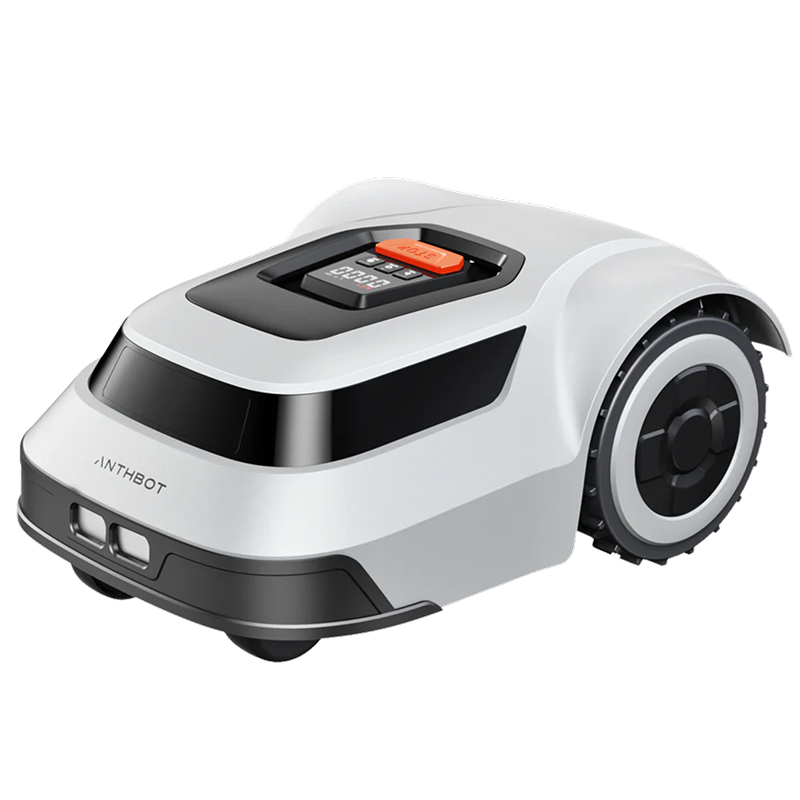
Enter the modern, effortless solution: smart, robotic mowers like those from ANTHBOT. These devices completely flip the script on lawn maintenance in a way that naturally starves out fungi.
- The 'Little and Often' Magic: Instead of traumatising the grass with a weekly hack, an ANTHBOT trims your lawn daily. It snips off just the very tips of the blades, creating ultra-fine micro-clippings.
- Zero-Waste Mulching: Because these clippings are so tiny, they break down almost immediately. They act as a free, natural fertiliser that feeds the roots without ever building up into that thick, damp thatch layer mushrooms crave.
- Breathing Room for Roots: By keeping the grass at a perfectly consistent height every single day, robotic mowers improve the airflow right at the base of the plants. More sunlight reaches the soil, drying it out and ruining the moist environment fungi need to survive.
- Smart Weather Handling: People often ask, can lawn mowing be done on wet grass? Generally, it's a terrible idea because it tears the grass and spreads disease. Thankfully, an ANTHBOT has built-in rain sensors. It simply heads back to its charging station when the weather turns, waiting for things to dry out before it gets back to work—meaning zero risk of spreading wet fungal spores around.
Conclusion
Spotting mushrooms in your garden isn't a sign of failure; it actually means you have incredibly healthy, living soil packed with organic matter. But when pets, kids, or just your desire for a flawless lawn come into play, being proactive is the right call. Manually plucking them, fixing your drainage, and raking up debris will handle the immediate problem beautifully.
The real secret, though, is long-term prevention. Setting up a smart mowing schedule stops thatch in its tracks and keeps the lawn properly aerated.
Ready to enjoy a pristine, worry-free lawn without spending every weekend battling fungi? Explore the ANTHBOT range of robotic mowers and see how effortless intelligent lawn care can actually be.
FAQs on Mushroom Removal
How often should I remove mushrooms from my lawn?
Get rid of them the moment you spot them. A single mushroom can drop millions of spores in just a day or two. Plucking them early stops the spread dead in its tracks.
Are natural remedies like dish soap actually effective?
Yes, they work surprisingly well for spot-treating small clusters. A quick soap and water mix degrades the fungal structure. Just keep in mind that for a permanent fix, you really need to improve your overall lawn care routine.
Can I just run my mower over them?
We highly discourage this. Hitting them with a traditional mower acts like a blender, blasting millions of spores all over your garden. You'll likely end up with twice as many mushrooms next time it rains. Always pull them by hand first.
Will a robot mower work if my garden already has mushrooms?
Absolutely. In fact, it’s one of the best preventative tools you can own. Because it mows frequently and drops microscopic clippings, it actively stops the thatch buildup that mushrooms feed on. Plus, the rain sensors guarantee it won't accidentally mow wet fungi and spread spores.


Leave a comment
This site is protected by hCaptcha and the hCaptcha Privacy Policy and Terms of Service apply.