










If you have ever looked at your lawn and thought, I just mowed last week, so why does it already look untidy again? or Should I cut it now, or would that do more harm than good? you are not alone. One of the most common frustrations in lawn care is not knowing when the grass is actually ready for another cut, especially when growth changes so much between spring and summer or between wet and dry weather.
Table of Contents
How Often Should You Mow Your Lawn?
There is no one-size-fits-all mowing schedule for every lawn. In general, most home lawns should be mowed every 5–10 days during the growing season, but the ideal frequency depends on factors such as grass type, local weather conditions, season, and how quickly your lawn grows.

Instead of following a fixed mowing schedule, it is better to mow based on your lawn’s actual growth. During periods of faster growth, such as spring with warmer temperatures and regular rainfall, your lawn may need more frequent mowing. During cooler or drier periods, grass growth slows down and mowing can be reduced.
The goal is not simply to cut your grass on the same day every week, but to maintain a healthy and consistent lawn height. Regular mowing at the right frequency helps keep your garden looking tidy while supporting stronger grass growth.
In this guide, you’ll learn how often to mow your lawn throughout the year, what factors influence mowing frequency, and practical tips to maintain a healthy, well-kept garden with less effort.
Recommended Lawn Mowing Schedule by Season
Grass growth changes throughout the year, so your mowing routine should adapt with the seasons. Instead of following the same schedule every week, adjust how often you mow based on your lawn’s growth rate, weather conditions, and seasonal changes.
|
Season |
Recommended Frequency |
Why |
|
Spring |
Every 5–7 days |
Rising temperatures and increased rainfall usually encourage faster grass growth, making regular mowing necessary. |
|
Summer |
Every 7–10 days |
During warmer and drier periods, grass growth may slow down. Mowing less frequently helps reduce stress on the lawn. |
|
Autumn |
Every 7–14 days |
Cooler temperatures slow growth, but occasional mowing helps keep the lawn healthy and prepared for the colder months. |
|
Winter |
Usually not required |
In many regions, grass growth slows significantly during winter, so mowing is rarely needed. |
Adjust Your Mowing Schedule as Needed
The recommendations above are general guidelines. Your ideal mowing frequency may vary depending on your garden conditions, local climate, and how quickly your grass grows.
You may need to mow more or less often depending on factors such as:
- Heavy rainfall – Regular rain can encourage faster grass growth, meaning your lawn may need more frequent mowing.
- Hot or dry periods – During dry weather, grass growth often slows down, so you may be able to wait longer between mowing sessions.
- Fertilising – A well-nourished lawn usually grows faster and may require more regular mowing.
- Watering – Regular irrigation can increase grass growth, especially during warmer months.
Tip
Instead of mowing on the same day every week, mow when your lawn actually needs it. Adjusting your mowing frequency based on grass growth and weather conditions will help you maintain a healthier, greener lawn throughout the year.
What Affects Lawn Mowing Frequency?
While seasonal recommendations provide a useful starting point, several factors influence how often your lawn actually needs mowing. Understanding these factors will help you create a more suitable mowing routine and maintain a healthier garden with less effort.
1. Grass Type
Different grass varieties grow at different rates. In many European gardens, cool-season grasses are common and typically grow faster during the cooler, wetter months of spring and autumn. Growth may slow during hotter or drier periods.
2. Weather Conditions
Weather has a major impact on grass growth.
- Warm, rainy weather encourages faster growth and more frequent mowing.
- Hot, dry conditions slow growth, meaning you can mow less often.
3.Watering and Fertilising
Lawns that receive regular watering and nutrients usually grow faster than those with limited maintenance. A well-maintained lawn may need more frequent mowing during periods of active growth.
4.Lawn Health
A healthy, dense lawn often grows more consistently than a stressed or poorly maintained one. If your grass grows unevenly or appears weak, it may be worth checking factors such as watering, soil quality, and nutrient levels.
5.Mowing Height
Cutting grass too short can weaken the lawn and increase stress, while maintaining the correct mowing height encourages stronger roots, healthier growth, and better resistance to changing weather conditions.
Final Tip
Instead of following a strict weekly schedule, pay attention to how your lawn is growing. Adjusting your mowing frequency based on grass growth, weather, and garden conditions will help you maintain a healthier lawn with less maintenance over time.
Follow the One-Third Rule for a Healthier Lawn
One of the most important lawn care principles is following the one-third rule. This simple guideline helps reduce stress on your grass, encourages stronger growth, and keeps your lawn looking healthy throughout the growing season.
What Is the One-Third Rule?
The rule is simple: never remove more than one-third of the grass blade height in a single mowing session.
For example:
- If your grass is 7.5 cm tall, reduce it to around 5 cm after mowing.
- If your grass has grown too long, increase the cutting height and gradually reduce it over several mowing sessions instead of cutting too much at once.
 Why Does It Matter?
Removing too much grass in one cut can:
- Stress the grass and slow down recovery
- Weaken the root system
- Increase the risk of weeds and lawn diseases
- Leave the lawn looking uneven or less healthy
Regular mowing with smaller cuts encourages stronger, more consistent grass growth.
Keep Your Grass at the Right Height
The ideal mowing height depends on your grass type, climate, and garden conditions. For many home lawns, maintaining a grass height of around 6–10 cm helps promote deeper roots, better moisture retention, and improved resistance to changing weather conditions.
Tip
Instead of waiting until your grass becomes overgrown, mow regularly and follow the one-third rule. Frequent, lighter cuts help maintain a greener, healthier lawn while reducing the amount of effort needed for garden maintenance.
Benefits of Mowing at the Right Frequency
Mowing your lawn at the right frequency does more than keep your garden looking neat — it also supports healthier grass growth. Regular mowing helps maintain a consistent lawn height, encourages stronger growth, and keeps your lawn in better condition throughout the growing season.
Promotes Healthier Grass
Frequent mowing removes only a small amount of grass at a time, allowing the lawn to recover more easily and develop a denser, healthier appearance over time.
Helps Reduce Weeds
A thick and healthy lawn leaves less room for weeds to grow. Maintaining the right mowing routine can naturally help prevent excessive weed growth.
Improves Lawn Appearance
Keeping grass at a consistent height creates a cleaner, more even-looking lawn and prevents it from becoming overgrown or difficult to maintain.
Improves Lawn Resilience
Following the right mowing schedule helps reduce stress on grass, allowing it to better cope with changing weather conditions and common lawn problems.
Supports Natural Mulching
Regular mowing creates smaller grass clippings that break down more quickly and return nutrients to the soil, acting as a natural source of fertiliser.
Final Thought
The best mowing schedule is not simply the one with the most frequent cuts — it is the one that matches your lawn’s growth rate and conditions. By mowing regularly and following the one-third rule, you can maintain a healthier, greener lawn with less ongoing maintenance.
Can a Robot Lawn Mower Make Mowing Easier?
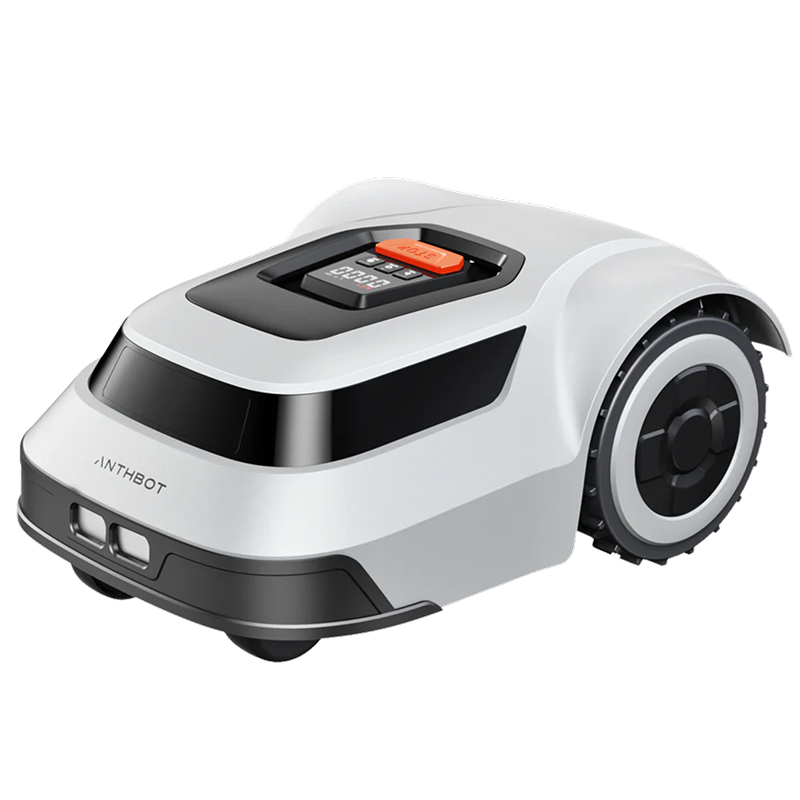
Yes. One of the biggest advantages of a robot lawn mower is that it mows little and often, which naturally follows the one-third rule and helps maintain a healthier lawn.
 Instead of waiting until the grass becomes too long, a robot lawn mower follows a regular mowing schedule and trims only a small amount of grass during each session. This helps keep your garden lawn at a consistent height without the need for manual mowing every week.
Benefits of Using a Robot Lawn Mower
- Maintains the ideal grass height automatically
- Reduces the time and effort required for lawn maintenance
- Produces fine grass clippings that naturally return nutrients to the soil
- Keeps your garden looking neat and well-maintained throughout the growing season



Final Thought
If you want to keep your lawn consistently tidy without spending time adjusting your mowing schedule every week, a robot lawn mower is a convenient solution. By mowing regularly and automatically, it helps maintain healthier grass while saving you time and effort.
Final Tips for Maintaining a Healthy Lawn
There is no single mowing schedule that works for every lawn. The key is to adjust your mowing frequency based on grass growth and lawn conditions, rather than simply following a calendar. By following a few simple practices, you can keep your lawn healthy and well-maintained throughout the year.
Best Practices
- Mow every 5–10 days during the growing season, adjusting the frequency based on grass growth.
- Follow the one-third rule to avoid putting unnecessary stress on your lawn.
- Avoid mowing wet grass, as it can result in uneven cuts and may damage the lawn.
- Keep mower blades sharp to achieve a cleaner cut and promote healthier grass.
- Adjust your mowing schedule according to the season, weather conditions, and growth rate.
Final Thought
A healthy lawn is not achieved by mowing more often—it comes from mowing at the right time and at the correct height. Whether you maintain your lawn manually or use a robot lawn mower, following these simple guidelines will help you enjoy a greener, thicker, and healthier lawn throughout the year.
FAQs About How Often to Mow Your Lawn
1. How often should I mow my lawn?
Most lawns should be mowed every 5–10 days during the growing season. However, the ideal mowing frequency depends on factors such as grass type, weather conditions, and how quickly your lawn is growing.
2. Is it bad to mow the lawn every week?
No. For many lawns, mowing once a week works well during periods of active growth, especially in spring and early summer. The key is to follow the one-third rule and avoid removing too much grass in a single mowing session.
3. Can I mow my lawn twice a week?
Yes. If your grass is growing quickly due to warm weather, rainfall, or regular fertilisation, mowing more frequently may be beneficial. Regular light mowing is often healthier than waiting until the grass becomes too long.
4. Should I mow my lawn after it rains?
It is best to wait until the grass is dry before mowing. Wet grass can lead to uneven cutting, cause the mower deck to clog, and increase the risk of lawn problems.
5. How short should I cut my grass?
Most home lawns perform best when maintained between 6–10 cm. Avoid cutting more than one-third of the grass blade during a single mowing session, as this can stress the lawn.
6. Does mowing more often make grass thicker?
Yes. Regular mowing encourages denser grass growth, helping create a thicker and healthier lawn that is naturally better at resisting weeds.
7. How often should a robot lawn mower mow?
A robot lawn mower is designed to mow little and often, typically operating 2–5 times per week depending on the season, weather, and grass growth rate. This helps maintain a consistent lawn height while naturally following the one-third rule.
8. When should I stop mowing my lawn for the year?
You can usually stop mowing when your grass enters its dormant period and stops actively growing, often during late autumn or winter depending on your local climate. Resume mowing when grass growth starts again in spring.



1 comment
2
Una Texas e’ il marchio del mio tosaerba.snervante va un periodo poi fatica ad accendersi
Una piaga..mancanza di forza
Leave a comment
This site is protected by hCaptcha and the hCaptcha Privacy Policy and Terms of Service apply.