












The honest answer is no - at least not if you can help it. A light drizzle an hour ago might make the lawn look fine from the kitchen window, but wet grass behaves very differently under a mower blade than dry grass does. The cut suffers, the lawn suffers, the mower works harder, and the whole job becomes messier and more hazardous than it needs to be.
That said, there are situations where waiting simply is not an option, and knowing how to handle them matters. This article works through why wet mowing causes problems, how to judge whether your lawn has dried enough, what affects the drying time, and how to get through it with minimal damage if you really must mow today.
Table of Contents
Can You Mow Grass When It's Wet?
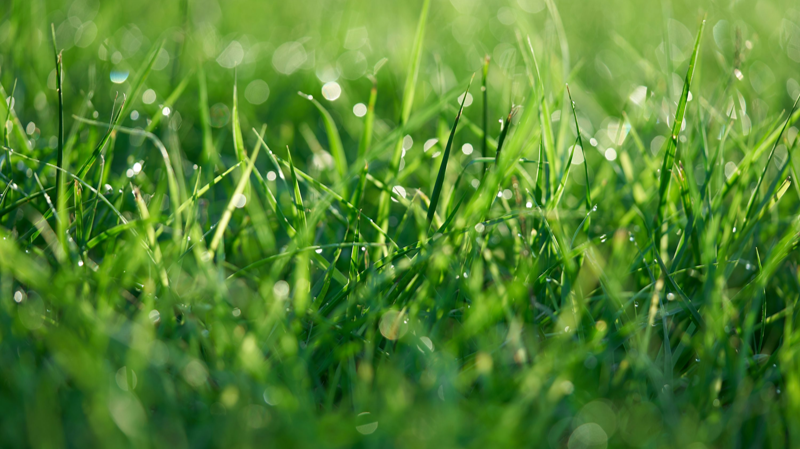
A mower will technically work on wet grass. The blades spin, the wheels turn, and something resembling mowing happens. The trouble is that wet grass does not behave the way dry grass does, and that gap between the two affects everything from the finish to the health of the lawn beneath.
The grass does not stand up cleanly for the blade. The cut clippings turn into a sticky mess. The ground goes soft and becomes easy to damage. None of these problems is enormous on its own, but they all arrive at once, and the result is usually a lawn that looks worse after mowing than it did before.

Why It Is Better Not to Mow Wet Grass
Poorer Cut Quality
Grass blades stand upright when they are dry, which is exactly what allows a mower to cut them cleanly and evenly. When they are wet, they bend and press against one another, lying almost flat in places. A mower passing over matted, leaning grass will miss sections entirely, cut others at an angle, and leave the surface with an uneven, streaky appearance. Once the grass dries and springs back up, those missed patches become far more obvious.
No adjustment in mowing speed or technique fully compensates for the fact that wet grass simply will not present itself properly to the blade.
Clippings Build Up Quickly
Dry clippings are light and scatter easily across the lawn. Wet clippings are dense, sticky, and heavy. Rather than dispersing as the mower moves forward, they clump together under the deck and block the chute, which means frequent stops to clear the machine. Whatever does make it onto the lawn lands in thick, wet mats rather than thin, even layers. Those mats sit on the surface and, if left in place, can begin to block light and airflow to the grass underneath within a day or so. In a warm, damp spell, that is exactly the kind of condition that encourages fungal growth.
Greater Stress on the Lawn
A mower cutting dry grass makes a clean, sharp cut. On wet grass, it is more likely to drag and tear. That might sound like a small difference, but torn grass is weaker and more open to disease, which is already more of a risk when conditions are warm and wet. A bad mow on the wrong day can leave the lawn struggling for longer than you might expect.
Higher Risk of Soil and Root Damage
Soft ground is one of the less obvious but more serious problems with wet mowing. When soil is saturated, it compresses under weight far more readily than when it is dry. Even a moderately heavy mower can leave visible ruts in a soft lawn, and repeated passes in the same direction will compact the soil progressively.
Compacted soil is slower to drain, less hospitable to roots, and harder to recover. On a sloped surface, soft soil also increases the risk of the turf itself being disturbed or torn as the mower moves across it.
More Strain and More Safety Concerns
Wet grass is considerably heavier than dry grass, and that weight is felt throughout the mowing process. The motor runs under a higher load, the blades slow down, and fuel or battery consumption increases. Over time, that kind of strain accelerates wear on the machine.
Meanwhile, the surface you are working on becomes slippery. The combination of a heavier workload and a less stable footing makes wet mowing genuinely less safe, particularly on uneven ground.

How to Tell If the Lawn Is Too Wet to Mow
The simplest rule is this: if you are not sure, wait. A lawn that prompts a second look is rarely ready. That said, a few straightforward observations will tell you what you need to know.
Walk across the lawn and pay attention to what you feel underfoot. If the ground gives noticeably or feels spongy, the soil is too soft to mow without leaving marks. Look for any standing water, even in small hollows. Notice whether your shoes come away damp after a single crossing. Look at the surface of the grass itself: glistening blades mean moisture is still sitting on them, and flattened grass is a reliable sign that it has not had time to dry and recover. Healthy, ready-to-mow grass stands upright.
If you are still uncertain, run the mower across a short test strip somewhere inconspicuous. If the clippings immediately clump or the deck clogs within a few passes, the lawn is not ready.
How Long Should You Wait to Mow After Rain?
There is no single figure that applies to every garden. The lawn should be genuinely dry enough to mow, not merely less wet than it was an hour ago. What that looks like in practice depends on several things.
After light rain or morning dew
After light rain or a spell of morning dew, a few hours is often sufficient, provided the sun is out and there is some breeze. Once the surface stops glistening and the grass blades are standing upright again, conditions are usually acceptable.
After steady rain
After a steady period of rain, the situation takes longer to resolve. The surface may look dry while the soil beneath is still saturated, and that softer ground carries its own risks. In that scenario, waiting 12 to 24 hours is a more sensible baseline, and on heavier clay soils — which drain far more slowly than sandy or loam ground — an additional day may still be necessary even when the lawn appears dry to the eye.
What changes the wait time
Several factors shift the timeline in either direction. Direct sun and a steady wind make the most meaningful difference. The density of the grass plays a role too; thick, lush growth holds moisture longer than thinner, shorter grass. Shaded areas, particularly under trees or close to walls, tend to stay wet long after open sections of the same lawn have dried out.
How to Mow Wet Grass as Safely as Possible
There are times when waiting is not realistic. Perhaps the grass is getting too long, and this is the only available slot this week, or the rain has been persistent. In that situation, the goal shifts from avoiding the problem to managing it.
The first priority is blade condition. A sharp, clean blade makes the best cut possible in difficult conditions; a blunt one will tear wet grass badly. Raising the cutting height by at least one setting reduces the workload on the mower and takes less off the grass in a single pass, which lessens both clumping and lawn stress. Slowing down gives the blade more time to work through denser, heavier growth rather than being overwhelmed by it.
Slopes are best avoided entirely when the ground is wet, as the combination of soft soil and a slippery surface makes them genuinely hazardous. Stop and clear the deck whenever it clogs rather than forcing the mower through. Wear footwear with a proper grip, and do not attempt to mow during active rainfall. If the mower starts to labour heavily, you must stop. Pushing through a bogged-down machine causes more damage to both the equipment and the lawn than stepping away and trying again later.
Can You Use an Electric or Cordless Mower on Wet Grass?
The type of mower makes a real difference to safety here, even if it does not change the risks to the lawn itself.
Corded electric mowers
Corded electric mowers should not be used on wet grass under any circumstances. A live cable running across a damp lawn is a straightforward electrical hazard, and no amount of urgency makes that an acceptable risk. If the lawn is wet and a corded mower is the only option, the right answer is to wait.
Cordless mowers
Cordless mowers sit in a different category. Without a trailing cable, the immediate electrical risk is removed, and many modern battery mowers are designed with some degree of weather resistance. They can handle light dampness reasonably well, though wet conditions will reduce battery efficiency, increase resistance, and result in the same clumping and soil problems as any other machine. The cut quality will still be lower than on a dry day.
Petrol or more powerful mowers
Petrol mowers are mechanically better suited to wet grass as they generally have more torque and are not subject to electrical concerns. But mechanical capability does not translate into permission. A more powerful mower cuts more effectively through wet grass, but it also compresses soft ground more readily, leaves deeper ruts, and causes exactly the same degree of lawn stress. The risks change shape slightly; they do not go away.
Final Verdict
Waiting is almost always the right call. Wet conditions make every part of mowing harder: the cut is less clean, the clippings more disruptive, the ground more vulnerable, and the work itself less safe.
If the grass is only very lightly damp and the soil beneath is firm, mowing with some care is acceptable, but that should be the exception rather than the habit. For the sake of the lawn and the mower both, a dry surface is worth waiting for.
FAQs
Can you mow wet grass after rain?
It is better to wait. Mowing straight after rain tends to produce a poor cut, heavy clumping, and potential soil damage. Give the lawn time for both the surface and the ground beneath to dry properly before going ahead.
How long should you wait to mow after rain?
It depends on how much rain fell and what conditions follow. A light shower may need only a few hours to clear in good sun and wind. After heavier or prolonged rain, 12 to 24 hours is a more appropriate minimum, and clay soils may need longer still.
Can you mow wet grass with an electric mower?
Corded electric mowers should not be used on wet grass at all. The combination of water and a live cable is a safety risk. Cordless mowers are safer in that respect but will still deliver reduced performance in damp conditions.
Is morning dew too wet to mow?
Morning dew on its own is usually light enough to clear within a couple of hours. Waiting until mid-morning, once the sun has had time to lift the moisture and the grass blades are standing upright again, is generally sufficient.
Can wet grass damage a lawn mower?
Yes, over time. Wet grass is heavier and puts more strain on the motor and blades. Clippings clog the deck and chute, and if the machine is regularly pushed through wet conditions, wear on the internal components will accelerate.
Can wet clippings kill grass underneath?
They can cause significant damage if left in place. Thick, wet clumps sitting on the surface block light and airflow, which can yellow and weaken the grass below. In damp, warm conditions, they also create an environment where fungal disease is more likely to take hold.
Should you bag clippings when mowing damp grass?
Bagging is a sensible choice when conditions are less than ideal. It prevents wet clumps from settling on the surface and reduces the risk of smothering or disease. The downside is that a wet lawn fills the bag much faster than usual, so expect more frequent emptying.


Leave a comment
This site is protected by hCaptcha and the hCaptcha Privacy Policy and Terms of Service apply.