











Table of Contents
Why AI Vision Is Changing Robot Lawn Mowers
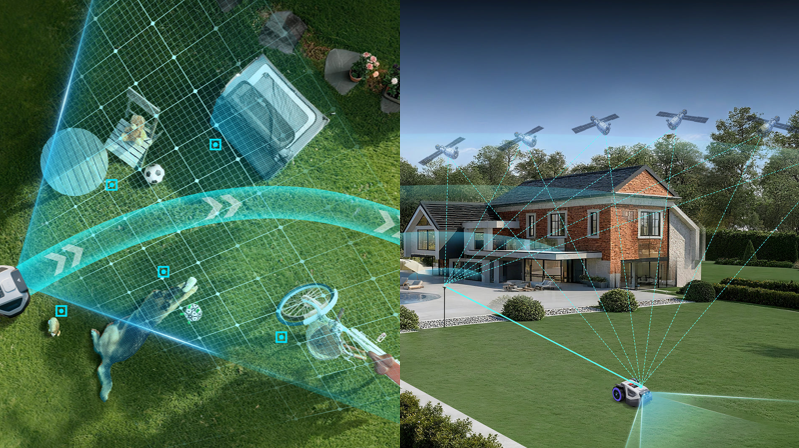
Robot lawn mowers are becoming increasingly intelligent, moving beyond traditional boundary wires and basic navigation systems. While technologies such as RTK and LiDAR have improved mowing accuracy, modern lawns often contain obstacles like trees, flower beds, garden furniture, pets, and children's toys that require more than precise positioning. This is where AI Vision technology is transforming the robotic mowing experience.
By combining cameras with artificial intelligence, AI Vision robot mowers can recognize and interpret their surroundings in real time. Instead of simply following a predefined route, they can identify obstacles, adapt to changing environments, and make smarter navigation decisions. As a result, AI Vision is becoming a key feature in many premium robotic lawn mowers, helping homeowners enjoy safer, more efficient, and more autonomous lawn care. In this guide, we'll explore how AI Vision works, its advantages and limitations, and how it compares with other navigation technologies used in robot lawn mowers today.

What Is an AI Vision Robot Lawn Mower?
An AI Vision robot lawn mower is a robotic mower that uses cameras and artificial intelligence to perceive and understand its surroundings. Unlike traditional robot mowers that rely solely on boundary wires or satellite positioning, AI Vision systems analyze visual information in real time, allowing the mower to recognize objects, identify obstacles, and make intelligent navigation decisions while mowing.
The term AI Vision combines two key technologies: computer vision and artificial intelligence. Cameras capture images of the lawn and surrounding environment, while AI algorithms process this data to distinguish between different objects, such as grass, trees, flower beds, pets, toys, and garden furniture. This enables the mower to react dynamically to changing conditions rather than simply following a predefined path.
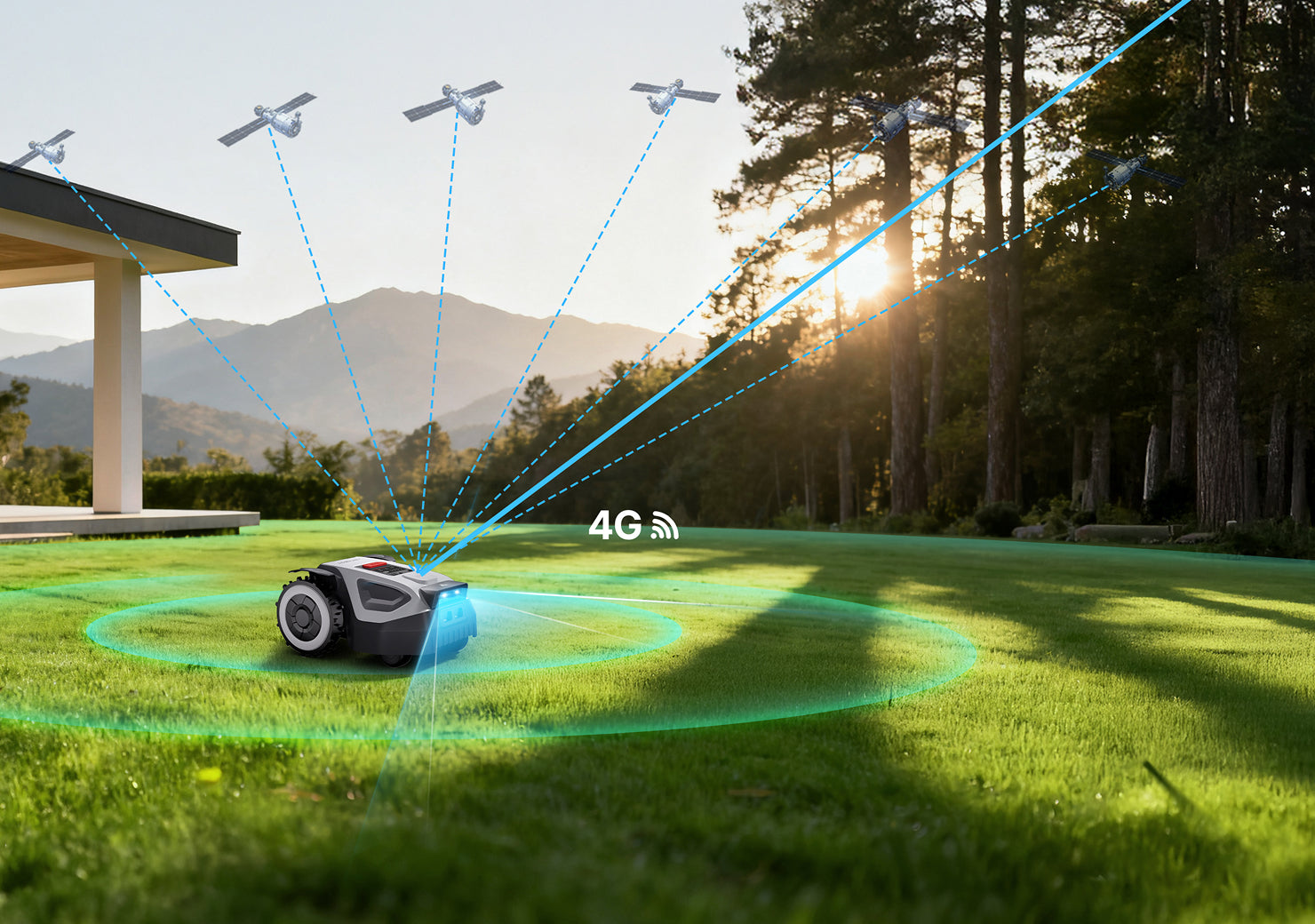
In modern robotic lawn mowers, AI Vision is often used to enhance safety and navigation performance. For example, it can help the mower detect unexpected obstacles, avoid collisions, navigate through narrow passages, and operate more efficiently in complex garden layouts. Rather than replacing other navigation technologies, AI Vision is commonly integrated with systems such as RTK or LiDAR to provide a more accurate, reliable, and intelligent mowing experience.

How AI Vision Works in Robotic Lawn Mowers
Real-Time Environmental Perception
Built-in cameras continuously capture images of the lawn and nearby environment. These images provide the mower with visual information about obstacles, terrain, and mowing areas.
Intelligent Object Recognition
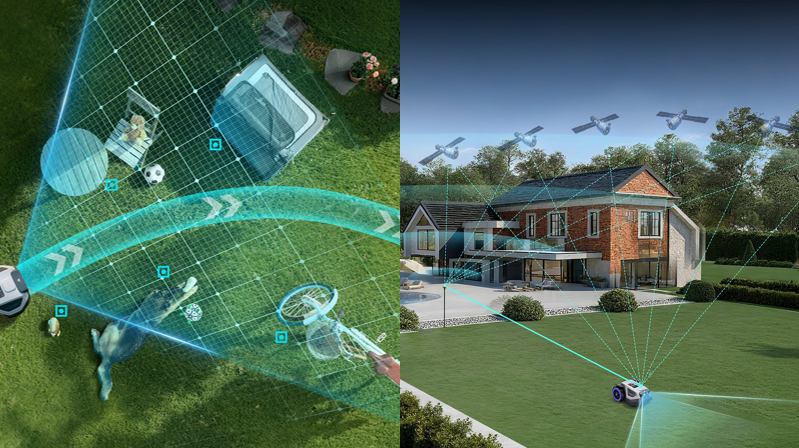
AI-powered software analyzes the captured images and identifies objects such as trees, flower beds, garden furniture, pets, and people. Unlike basic sensors that only detect obstacles, AI Vision can recognize what an object is and respond accordingly.
Smart Navigation and Route Planning
After analyzing its surroundings, the mower calculates an efficient mowing path. If an obstacle appears, it can automatically slow down, stop, or adjust its route while continuing to mow efficiently.

What Can AI Vision Actually Do?
Smart Obstacle Avoidance
AI Vision can detect and identify common obstacles such as trees, flower beds, garden furniture, toys, and decorations. Instead of simply bumping into objects and changing direction, the mower can avoid them more intelligently and smoothly.
Pet and Human Detection
Many AI Vision systems can recognize pets and people in real time. When a pet, child, or adult enters the mowing area, the mower can slow down, stop, or change its route to help improve safety.
Boundary Recognition
AI Vision helps some robot mowers distinguish between grass and non-grass areas such as driveways, pathways, and flower beds. This improves navigation accuracy and reduces the risk of leaving the lawn area.
Adaptive Route Planning
Unlike traditional mowers that follow fixed patterns, AI Vision can react to changing conditions. If an obstacle appears unexpectedly, the mower can adjust its route and continue mowing with minimal interruption.
Improved Lawn Coverage
By understanding the environment more effectively, AI Vision helps reduce missed spots and unnecessary overlap, resulting in a cleaner and more efficient mowing experience.

Benefits of AI Vision Robot Lawn Mowers
Easier Installation
Many AI Vision robot lawn mowers support wire-free operation, eliminating the need for boundary wire installation. This makes setup faster, simpler, and more flexible.
Improved Obstacle Avoidance
AI Vision can recognize and navigate around common lawn obstacles more effectively than traditional bump sensors. This helps reduce collisions and minimizes interruptions during mowing.
Enhanced Safety
By detecting pets, children, and other moving objects, AI Vision helps create a safer mowing experience. Many systems can automatically slow down, stop, or change direction when obstacles are detected.
Better Mowing Efficiency
Real-time environmental awareness allows the mower to optimize its route and avoid unnecessary overlap. This can improve coverage while reducing mowing time and battery consumption.
Smarter Lawn Care
AI Vision enables the mower to adapt to changing conditions and navigate more intelligently. Combined with app control and software updates, it provides a more automated and user-friendly lawn care experience.

AI Vision vs Other Navigation Technologies
|
Technology |
Advantages |
Limitations |
Best For |
|
AI Vision |
Smart obstacle detection, improved safety, wire-free operation |
Performance can be affected by lighting and weather conditions |
Residential lawns with pets, obstacles, and complex layouts |
|
RTK |
Centimeter-level positioning accuracy, highly efficient route planning |
Requires stable satellite signals and RTK setup |
Large, open lawns |
|
LiDAR |
Accurate environmental mapping, performs well under trees and in complex environments |
Higher cost and hardware complexity |
Lawns with dense obstacles or limited satellite visibility |
|
GPS |
Simple positioning, low cost, widely available |
Limited accuracy, may miss areas or create overlap |
Basic navigation on simple lawns |
Real-World Limitations of AI Vision
Performance in Low-Light Conditions
AI Vision relies on cameras to capture visual information. In low-light environments, such as at night or during heavy cloud cover, image quality may decrease, making object recognition more challenging.
Weather Sensitivity
Rain, fog, and dirt on camera lenses can affect visibility and reduce the effectiveness of AI-based obstacle detection. For this reason, many robot mowers are designed to pause operation during adverse weather conditions.
Limited Positioning Accuracy
Although AI Vision excels at identifying obstacles and boundaries, it is not designed to provide the same level of positioning accuracy as RTK. On large properties, AI Vision alone may not deliver the most efficient navigation routes.
Challenges in Complex Environments
Dense vegetation, tall grass, or heavily obstructed areas can sometimes make it more difficult for cameras to accurately interpret the environment. In these situations, additional navigation technologies may improve overall performance.
Do You Really Need AI Vision?
Whether you need an AI Vision robot lawn mower depends largely on your lawn and lifestyle. If your yard includes trees, flower beds, garden furniture, pets, or children, AI Vision can make mowing safer and more efficient by recognizing obstacles and adapting its route in real time. It also reduces the need for manual intervention, making lawn care more convenient for busy homeowners.
However, AI Vision may not be essential for every lawn. If you have a simple, open yard with few obstacles, a robot mower using RTK or GPS navigation may already provide reliable performance. That said, as robot lawn mowers become more advanced, AI Vision is increasingly viewed as a valuable feature that enhances safety, obstacle avoidance, and overall mowing intelligence—especially when combined with RTK or LiDAR navigation.

Why Most Premium Robot Mowers Use Hybrid Navigation
While AI Vision, RTK, and LiDAR each offer unique advantages, no single navigation technology is perfect in every situation.AI Vision excels at obstacle recognition, RTK provides highly accurate positioning, and LiDAR offers reliable environmental mapping in complex areas. While each technology has its strengths, they also have limitations when used alone.
That's why many premium robot lawn mowers combine multiple navigation systems. For example, AI Vision can identify obstacles and pets, while RTK ensures precise navigation and efficient route planning. By combining these technologies, hybrid systems deliver better accuracy, safer operation, and more reliable performance across different lawn conditions.

Best AI Vision Robot Lawn Mowers in 2026
In 2026, the most advanced robot lawn mowers are shifting toward hybrid systems that combine AI Vision with Full-Band RTK positioning. This combination improves navigation accuracy, obstacle detection, and overall performance across different lawn environments. Among the leading models, the ANTHBOT N8 and Genie Series stand out as two strong examples of this new generation of intelligent robot.
|
Model |
AI Vision System |
Navigation Technology |
Best For |
|
ANTHBOT N8 |
150° HDR Dual AI Vision |
Full-Band RTK + Dual Vision |
Large and open lawns |
|
ANTHBOT Genie Series |
3D AI Vision (4 Cameras) |
Full-Band RTK + 3D Vision |
Complex lawns with more obstacles |
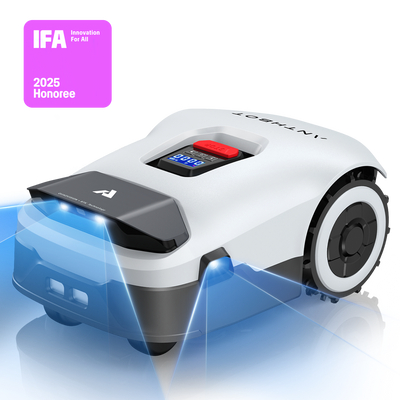
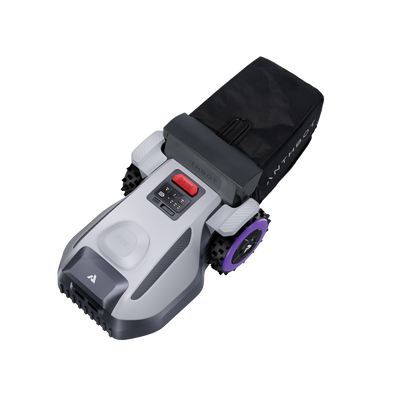
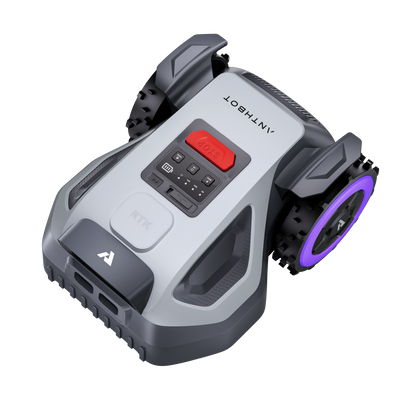
ANTHBOT N8
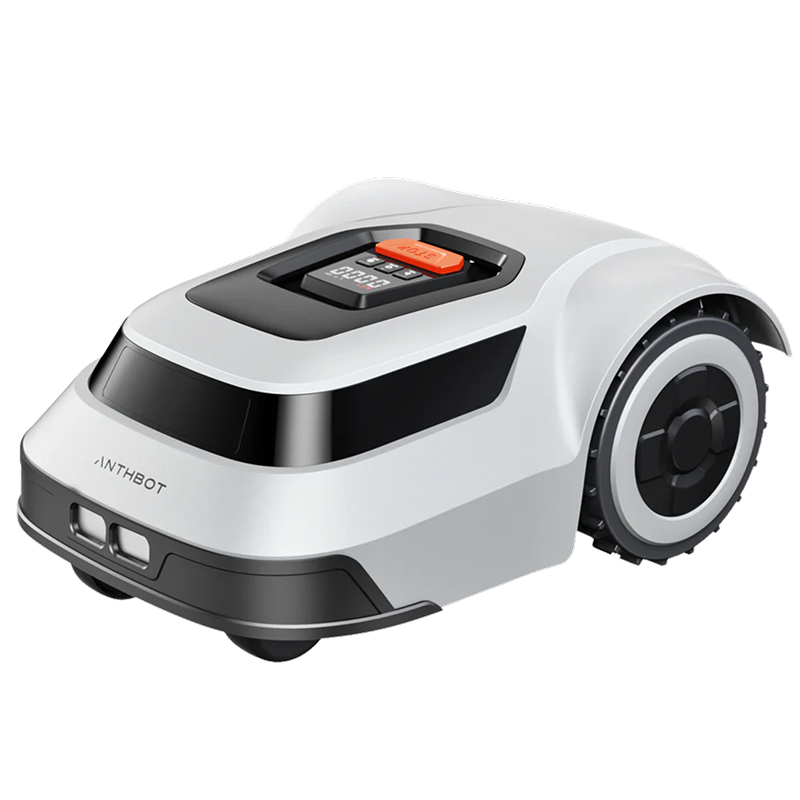
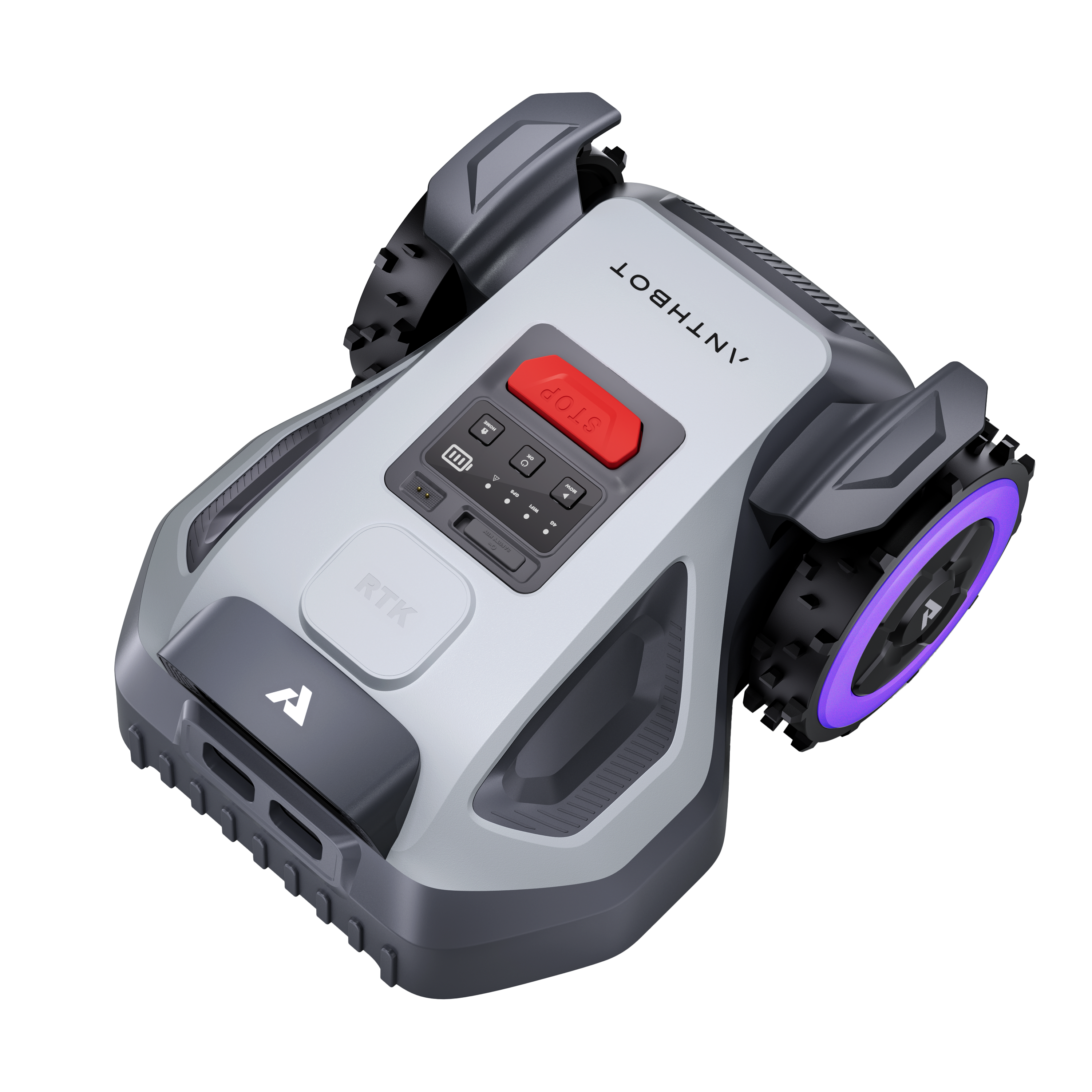
The N8 combines Full-Band RTK and Dual Vision navigation with a 150° HDR AI Vision system to deliver accurate positioning and intelligent obstacle avoidance. With coverage up to 1,500㎡, it is ideal for homeowners with larger lawns who want efficient wire-free mowing and reliable navigation.
ANTHBOT Genie Series
The Genie Series features Full-Band RTK and 3D AI Vision powered by four cameras, providing enhanced environmental awareness and obstacle detection. Its advanced 3D vision system makes it particularly well suited for lawns with trees, narrow passages, and more complex layouts.
How to Choose the Right AI Vision Robot Lawn Mower
Choosing the right AI Vision robot lawn mower mainly depends on your lawn size, layout complexity, and how much automation you expect. Since most modern models combine AI Vision with RTK navigation, the overall system performance is more important than any single feature. For large and open lawns, the ANTHBOT N8 with AI Vision + Full-Band RTK offers efficient coverage and stable navigation, making it a strong choice for consistent, wire-free mowing.
For more complex gardens with trees, narrow paths, or multiple obstacles, the Genie Series with 3D AI Vision provides stronger environmental awareness and more precise obstacle handling. In general, AI Vision improves safety and smart obstacle avoidance, while RTK ensures positioning accuracy. The best choice is usually a balanced system that combines both technologies for reliable real-world performance.
FAQ
Which robot mower has the best AI Vision system?
The most advanced AI Vision systems are found in premium models combining multi-camera vision with Full-Band RTK. ANTHBOT N8 and Genie Series use HDR or 3D AI Vision to improve obstacle recognition, navigation accuracy, and mowing stability.
Are AI Vision robot mowers safe around pets?
AI Vision systems can detect pets and adjust behavior by slowing down, stopping, or rerouting. This helps improve safety, though supervision is still recommended for smaller animals.
Is AI Vision better than LiDAR?
AI Vision focuses on object recognition such as pets and obstacles, while LiDAR is stronger in environmental mapping and complex scenes. Many high-end mowers combine both for better performance.
Can AI Vision robot mowers work at night?
AI Vision works best in good lighting. In low-light conditions, recognition accuracy may drop, so RTK or LiDAR support is often used for more stable operation.


Leave a comment
This site is protected by hCaptcha and the hCaptcha Privacy Policy and Terms of Service apply.