


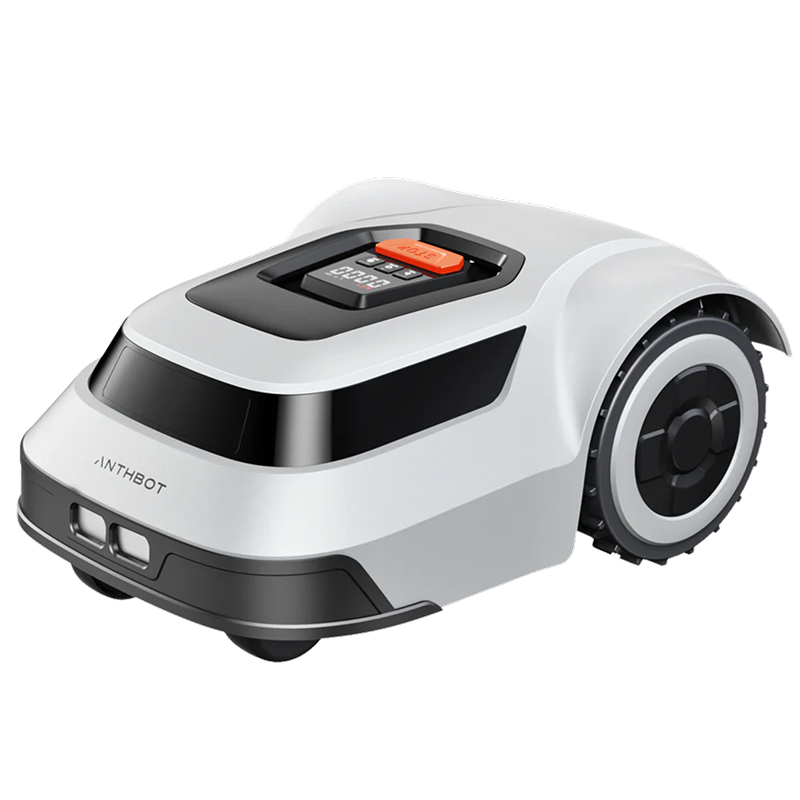










A robot lawn mower can seem almost magical at first. You place it on the lawn, set up the mowing area, and before long it is moving on its own, trimming the grass and returning to charge without constant supervision. That convenience is exactly why more homeowners are asking the same question: how do robotic lawn mowers work?
The short answer is that robotic lawn mowers combine everything you need from manual lawn mowing with advanced automation technology into one smart system. But it is more than that. In this guide, we will break down how robotic lawn mowers work, the technologies behind them, and the key points you should understand before choosing one for your yard.

Table of Contents
What Is a Robot Lawn Mower?
A robotic lawn mower is an autonomous, battery-powered machine designed to maintain grass with minimal human effort. Once installed and configured, it can operate within a defined mowing area, follow a preset schedule, detect obstacles, return to its charging station when needed, and continue mowing automatically.
The most important thing to understand is that a robotic mower is designed for ongoing maintenance, not for occasional heavy-duty cutting. A traditional mower is usually used when the grass has already grown tall. A robotic mower works differently. It is built to keep the grass under control continuously by cutting a little at a time.
How Do Robotic Lawn Mowers Work?
At a high level, robotic lawn mowers rely on four main systems:
- boundary control
- navigation
- cutting
- charging
These systems work together to create an automated mowing cycle.
Defining Boundaries
The mower first needs to know where it is allowed to mow and where it should not go. Depending on the model, this is usually done in one of two ways.
Physical boundary systems
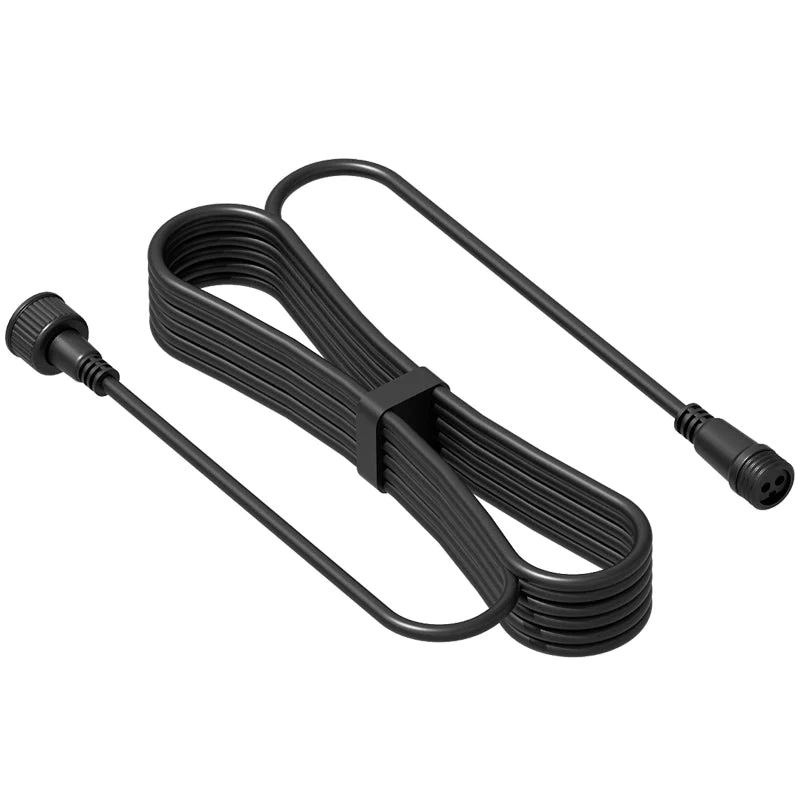
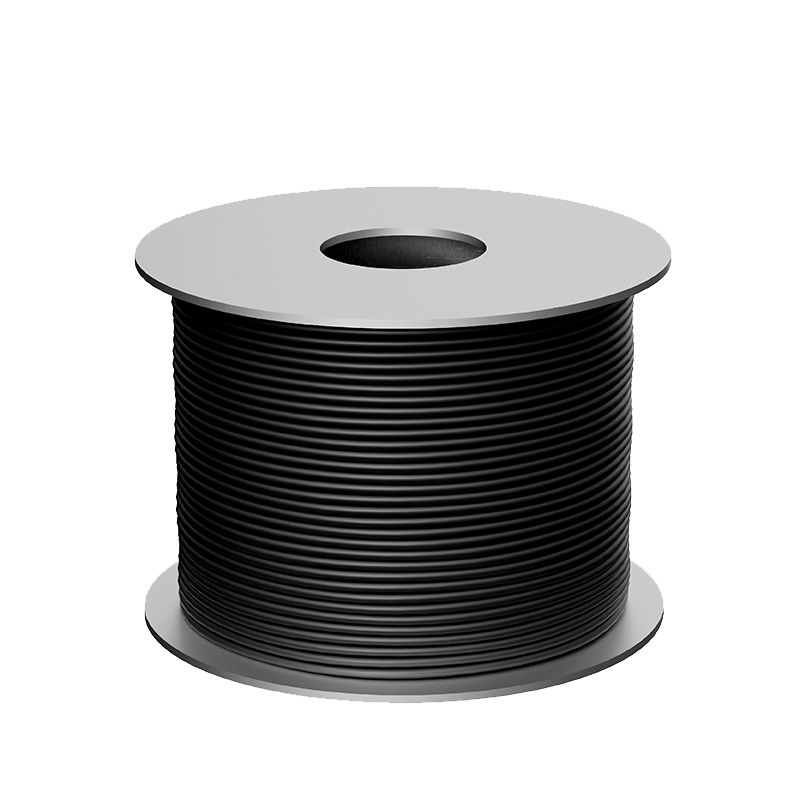
Some robotic lawn mowers use a physical perimeter wire placed around the edges of the lawn and around no-go zones such as flower beds, trees, ponds, or garden decorations. The mower detects this boundary and stays within it while operating.
This setup creates a reliable, invisible mowing zone. Once installed properly, it gives the mower a clear working area and helps prevent it from wandering into spaces it should avoid.
Virtual boundary systems
Virtual boundary systems rely on advanced positioning and mapping technologies to define the mowing area digitally. This approach can reduce installation work and make it easier to adjust mowing zones later. It is especially useful for homeowners who want a more flexible setup or who have lawns that may change over time.
No matter which method is used, boundary control is the foundation of autonomous mowing. Without it, the mower would not know where to turn, where to stop, or which areas to leave untouched.

Navigating the Lawn
Once the mower understands its boundaries, the next step is knowing how to move across the lawn efficiently. This is also where robotic mowing has evolved the most.
Some models rely on simpler movement logic, covering the lawn gradually through repeated mowing sessions and directional changes. Others use more advanced systems to build a clearer understanding of the yard and follow a more structured route.
These systems may combine technologies such as precise positioning, digital mapping, vision-based detection, route planning, etc. Working together, they help the mower recognize where it has already been, respond more intelligently to obstacles, and reduce unnecessary overlap.
In practice, this can lead to smoother coverage, more efficient mowing paths, and a more consistent result across the lawn.
Cutting the Grass
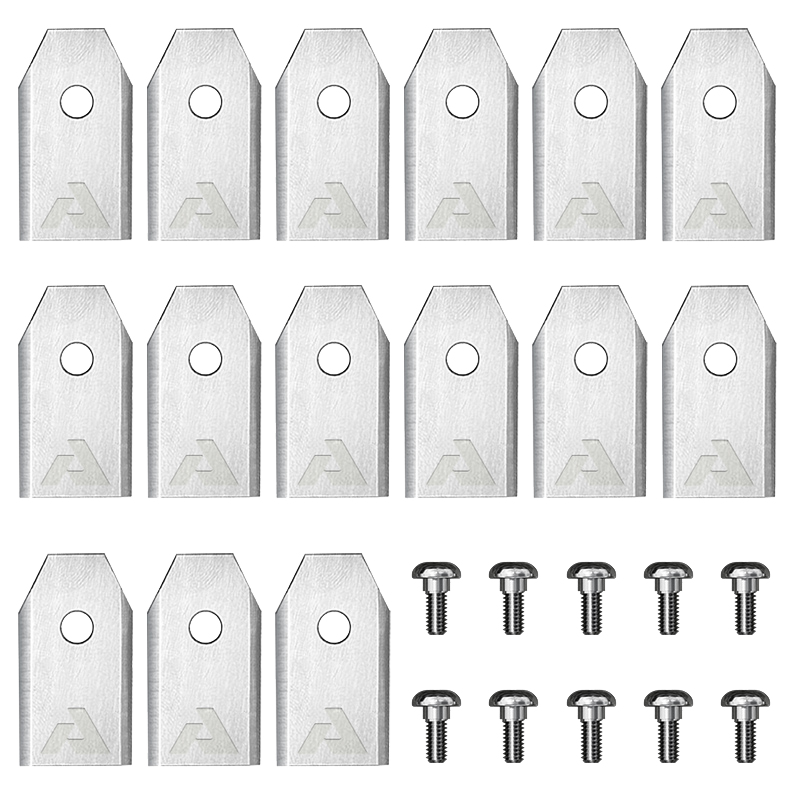
Robotic lawn mowers typically use small, sharp blades designed for light and frequent trimming.
Instead of cutting a large amount of grass all at once, they remove only a little in each session. This is one of the defining characteristics of robotic mowing. The goal is not aggressive cutting power. The goal is steady, regular maintenance.
It also means robotic mowers usually work best on lawns that are already reasonably maintained. If the grass is extremely tall, dense, or overgrown, a first pass with a conventional mower may still be needed before a robotic mower can take over routine maintenance.
Returning to Charge
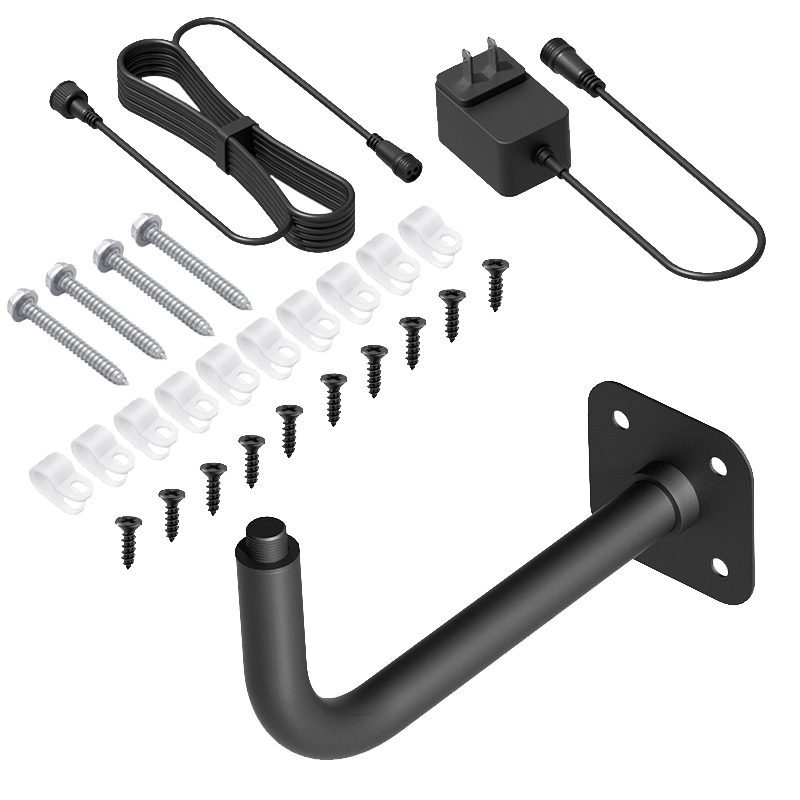
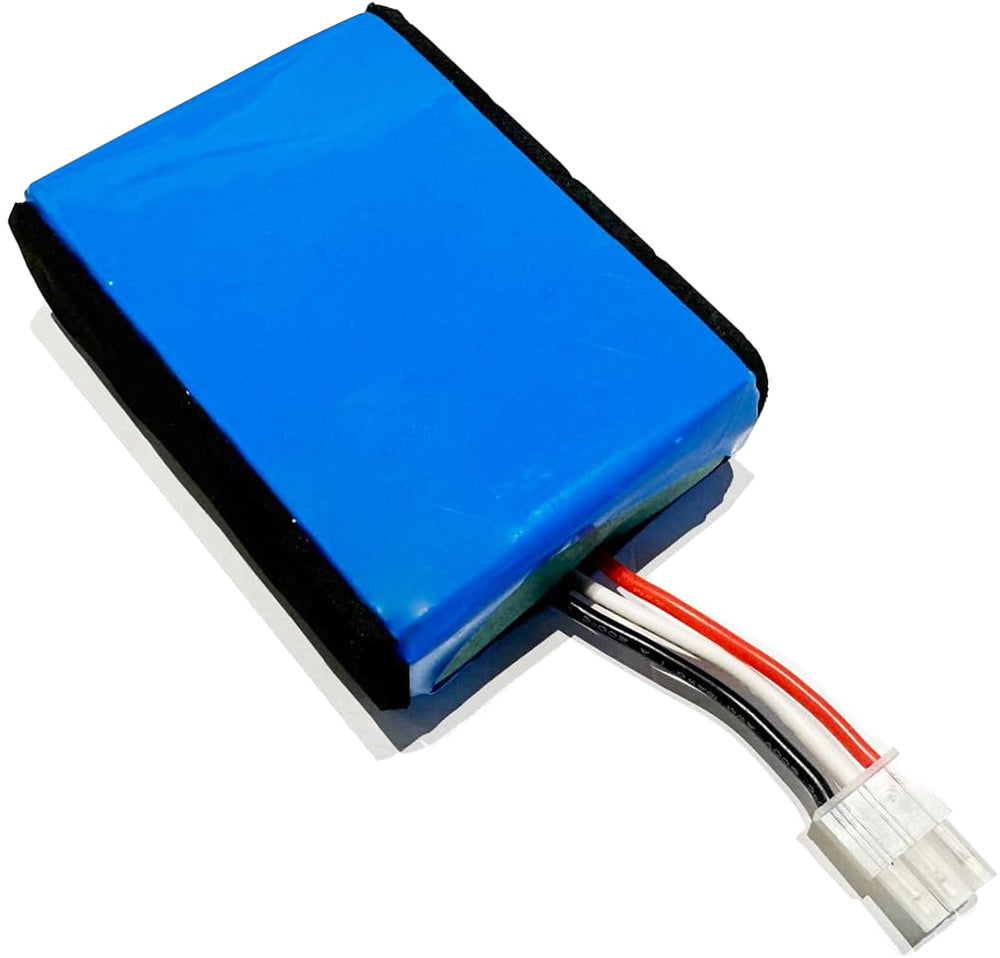
Robotic lawn mowers are powered by rechargeable batteries and operate around a charging station that serves as their home base.
When the battery runs low, the mower automatically returns to the station, recharges, and then resumes mowing according to its schedule or operating logic.
From the homeowner’s perspective, the cycle is simple:
leave the dock → mow the lawn → avoid obstacles → return to charge → recharge → continue when ready
This automatic return-and-resume process is one of the main reasons robotic mowers are considered so convenient. Instead of needing manual refueling or constant supervision, they manage their own power cycle as part of normal operation.
Do Robot Lawn Mowers Collect Grass Clippings?
Usually, they do not.
Because robotic mowers cut only a very small amount at a time, the clippings are typically left behind on the lawn as fine mulch. These tiny grass particles break down naturally and return nutrients to the soil. This is one reason robotic mowing can support a healthier-looking lawn over time. Instead of dealing with large piles of clippings after each mow, homeowners get a more continuous maintenance process with less cleanup.
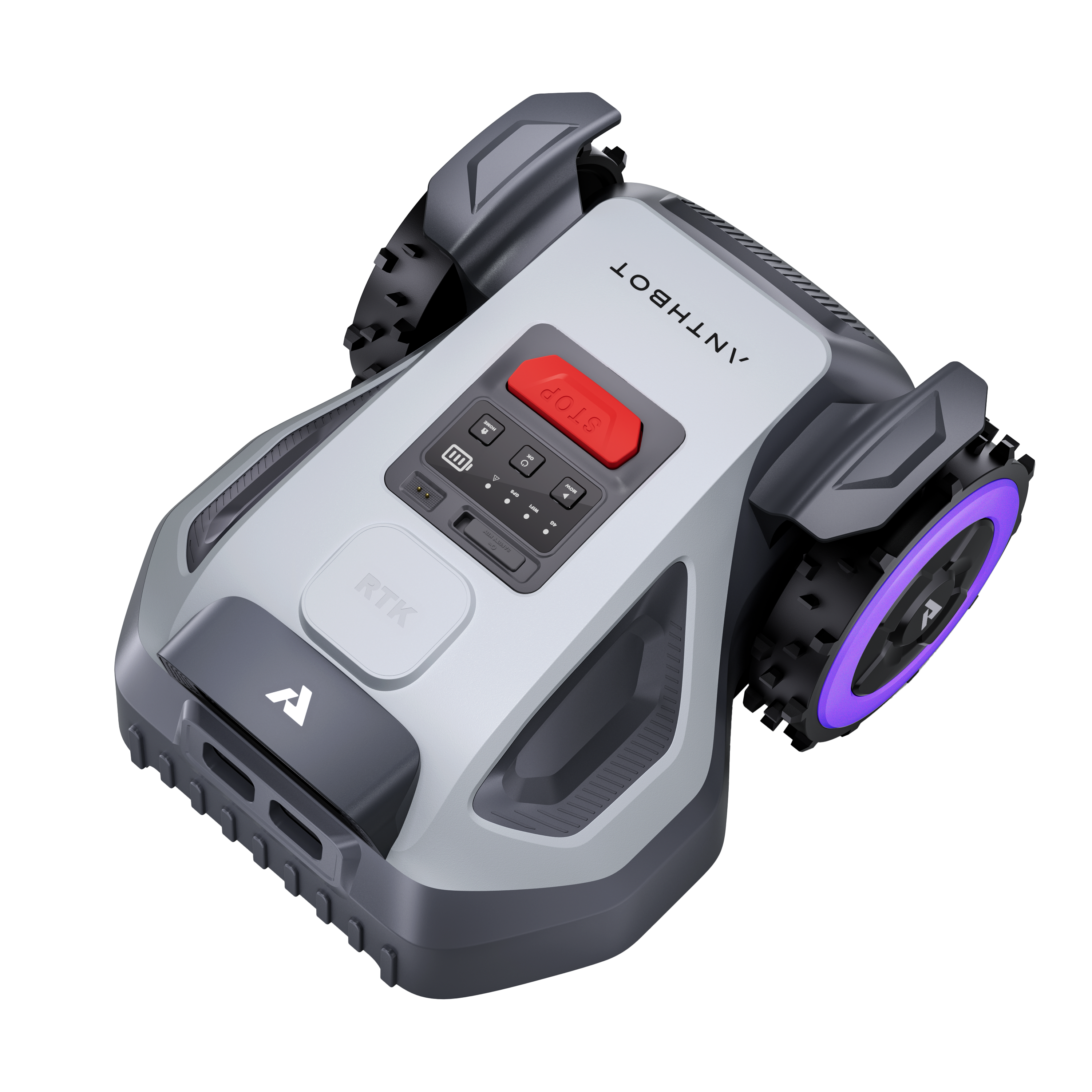
However, homeowner preferences can vary. If you prefer a tidier-looking surface after mowing or simply want to reduce the visibility of clippings as much as possible, a model designed for cleaner, more controlled lawn maintenance—such as ANTHBOT N8 4-in-1 robot mower—may be a better fit for your needs.

Other Features for Real Garden Conditions
Real gardens come with everyday variables that can affect mowing performance. Beyond navigation and cutting, robot lawn mower manufacturers like ANTHBOT have considered these challenges and incorporated technologies to help handle real-world conditions.
AI Avoidance
In a real yard, the mowing area is not always clear. Toys, patio furniture, garden tools, and even pets may appear in the mower’s path without warning. AI obstacle avoidance helps the mower detect and respond to these objects in time, reducing the chance of collisions and unnecessary interruptions. This makes daily mowing feel more reliable in busy outdoor spaces, especially in family gardens where the environment changes often.
Rain Sensor
Weather is another practical challenge for robotic mowing, especially in Europe. A rain sensor allows the mower to detect wet conditions and respond accordingly, such as pausing work or returning to the charging station. This helps protect the lawn from being cut under unsuitable conditions and reduces unnecessary wear on the machine.
Anti-theft
Robotic lawn mowers operate outdoors and often work unattended, thus security is an important part of real-world usability. Anti-theft features help protect the mower when it is left in the yard for long periods. These functions may include alerts, location tracking, or access restrictions that make unauthorized removal more difficult. In everyday use, this adds reassurance and makes the mower feel more practical for long-term outdoor operation.
What Is the Life Expectancy of a Robot Lawn Mower?
The lifespan of a robotic lawn mower depends on several factors, including build quality, battery health, blade condition, and use frequency. In general, they last around 5~10 years.
Like any machine, a robotic lawn mower has wear parts. Blades need to be replaced periodically to maintain cutting quality. Batteries gradually lose capacity over time after repeated charging cycles. Wheels, sensors, and charging contacts may also need occasional inspection and cleaning.
With proper care, a robotic lawn mower can provide multiple seasons of reliable performance. Regular maintenance usually includes:
- cleaning grass buildup from the body and wheels
- replacing blades when needed
- checking that the charging area remains clear
- inspecting the mower for wear or impact damage
- keeping software and settings updated when applicable
A robotic mower does not eliminate maintenance entirely, but it usually shifts the homeowner’s role from active mowing to lighter monitoring and upkeep.
Are Robotic Lawn Mowers Worth It?
For many homeowners, yes.
A robotic lawn mower can save time(see how long it takes if you manually mow a lawn), reduce physical effort, and keep the lawn looking consistently maintained with less weekly involvement. For busy households or anyone who dislikes routine mowing, that convenience can be a major benefit.
Still, whether it is worth the investment depends on the lawn, the budget, and the homeowner’s expectations. Here is a simple pros and cons table for reference.
Pros and Cons of Robotic Lawn Mowers
- Reduces manual mowing time
- Maintains a neater lawn through frequent trimming
- Returns to charge automatically
- Creates fine clippings that act like mulch
- Operates with less hands-on effort
- Can include smart control and scheduling
- Higher upfront cost than a basic mower
- Initial setup may take time
- Some edges may still need manual touch-up
- Very overgrown grass may need pre-cutting
- Complex lawns may need more advanced features
- Blades and batteries require periodic replacement
When They Make the Most Sense
A robotic lawn mower may be a strong choice if you want to:
- automate routine lawn care
- spend less time mowing
- maintain a consistently tidy lawn
- reduce physical effort
- benefit from a smarter maintenance system
It may be less suitable if you mainly need to clear very long grass in one pass or if your lawn is extremely complex and not well matched to the mower’s capabilities.
Conclusion
Robotic lawn mowers work by turning lawn care into a continuous, automated process. Instead of relying on manual effort every week, they use smart systems to manage mowing, navigation, and charging with minimal intervention. The biggest mindset shift is this: a robotic lawn mower is not simply a more convenient version of a traditional mower. It is a different lawn-care model entirely.
FAQs
How do robot mowers know where to cut?
Robot mowers know where to cut by using either a physical boundary system or a virtual boundary system. These technologies define the mowing area and help the mower stay within the correct zone while avoiding areas that should not be cut.
Do robot mowers work in the winter?
That depends on the climate and grass growth conditions. In most cases, robotic mowers are most useful during the active growing season. If grass growth slows significantly in winter, mowing frequency is usually reduced or paused.
Are robot mowers waterproof?
Many robot mowers are designed to handle outdoor conditions, but water resistance varies by model. Some can continue operating in light rain, while others rely on rain sensors to pause mowing or return to the charging station.
How do robot lawn mowers deal with dog poop?
Dog poop should always be removed from the lawn before mowing. While some robotic mowers have advanced obstacle detection, pet waste can still create mess, affect cutting performance, and require extra cleaning afterward.


Laisser un commentaire
Ce site est protégé par hCaptcha, et la Politique de confidentialité et les Conditions de service de hCaptcha s’appliquent.